
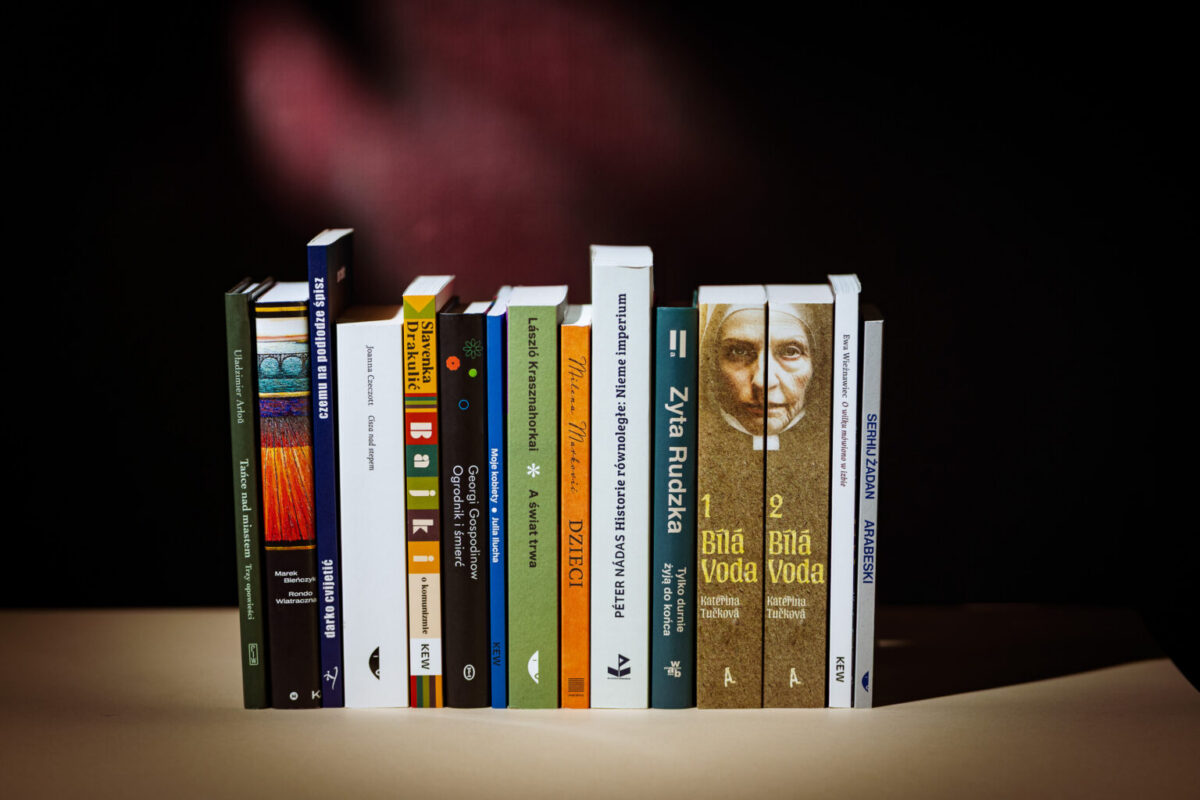
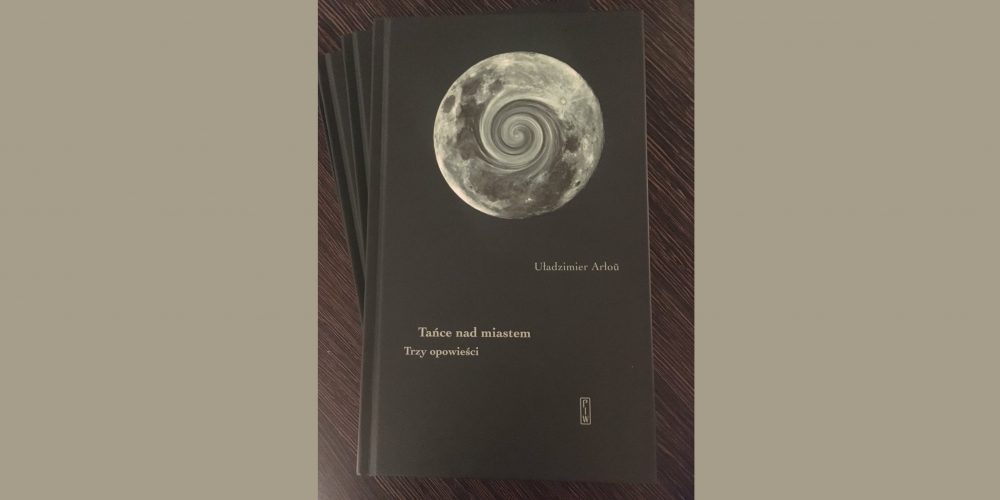
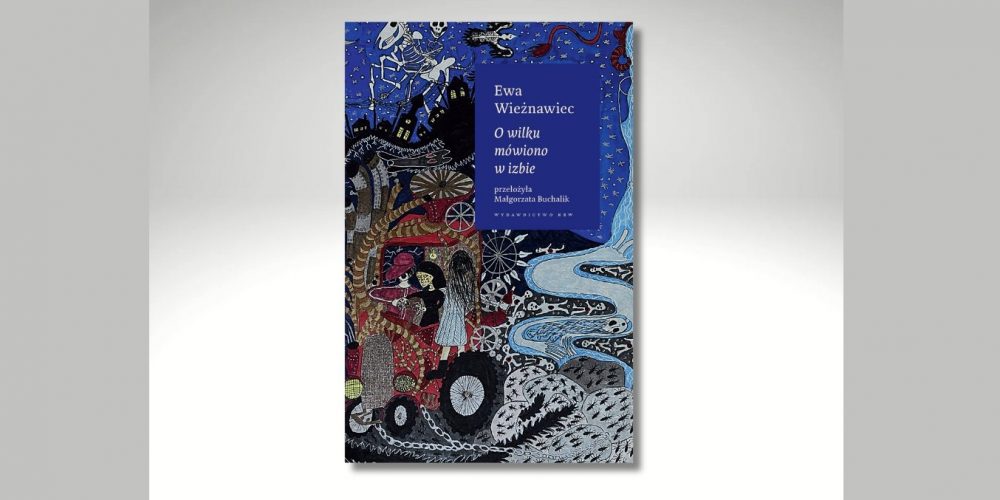
The jury of the Angelus Literary Award, presented for the best prose book published in Polish, has unveiled the longlist for this year’s prize, featuring the best works of Central European literature. The list includes books by two Belarusian authors: Eva Viezhnavets’ novella What Are You Seeking, Wolf?, translated by Malgorzata Buchalik, and Uladzimir Arlou’s Dances Above the City, translated by Bohdan Zadura.

The longlist also features Nobel Prize laureate László Krasznahorkai of Hungary, International Booker Prize 2023 winner Georgi Gospodinov, as well as three previous Angelus laureates.
The longlist includes:
- Uladzimier Arlou, Tańce nad miastem. Trzy opowieści, translated by Bohdan Zadura, Państwowy Instytut Wydawniczy (Belarus)
- Marek Bieńczyk, Rondo Wiatraczna, Wydawnictwo Karakter (Poland)
- Darko Cvijetić, Czemu na podłodze śpisz, translated by Dorota Jovanka Ćirlić, Oficyna Literacka Noir sur Blanc (Bosnia and Herzegovina)
- Joanna Czeczott, Cisza nad stepem. Kazachstan i pamięć o Rosji, Wydawnictwo Czarne (Poland)
- Slavenka Drakulić, Bajki o komunizmie, translated by Katarzyna Taczyńska and Wojciech Tworek, Wydawnictwo KEW (Croatia)
- Georgi Gospodinov, Ogrodnik i śmierć, translated by Magdalena Pytlak, Wydawnictwo Literackie (Bulgaria)
- Julia Ilucha, Moje kobiety, translated by Katarzyna Fiszer, Wydawnictwo KEW (Ukraine)
- László Krasznahorkai, A świat trwa, translated by Elżbieta Sobolewska, Wydawnictwo Czarne (Hungary)
- Milena Marković, Dzieci, translated by Dorota Jovanka Ćirlić, Wydawnictwo Warstwy (Serbia)
- Péter Nádas, Historie równoległe: Nieme imperium, translated by Elżbieta Sobolewska, Biuro Literackie (Hungary)
- Zyta Rudzka, Tylko durnie żyją do końca, Wydawnictwo W.A.B (Poland)
- Kateřina Tučková, Bílá Voda, translated by Julia Różewicz, Wydawnictwo Afera (Czech Republic)
- Ewa Wieżnawiec, O wilku mówiono w izbie, translated by Małgorzata Buchalik, Wydawnictwo KEW (Belarus)
- Serhij Żadan, Arabeski, translated by Michał Petryk, Wydawnictwo Czarne (Ukraine)
“This year’s longlist for the Central European Literary Award is not merely a constellation of stars, but perhaps the most compelling overview of what is currently happening in the literature of our part of the continent,” the jury said.
A distinctive feature of this year’s selection is that Belarus, Ukraine and Hungary are each represented by two authors. As usual, the Balkan countries (Bosnia and Herzegovina, Croatia and Serbia) are represented, while the longlist also includes books from the Czech Republic and Bulgaria, as well as three works originally written in Polish. “Unlike a decade ago, this literature is no longer concerned solely with the traumas of the twentieth century, but with new challenges (which, in the overwhelming majority of cases, are once again coming to Europe from the East) and attempts to comment on the present day,” the award’s website says.
The shortlist of seven books will be announced in early September.
The author of the winning work of prose will receive a cash prize of 150,000 Polish zlotys, making Angelus the most valuable literary award presented in Poland. In addition, all authors whose books reach the final will receive prizes of 5,000 zlotys.
Since 2010, Angelus has also included a translation award. The translator of the winning book receives a prize of 40,000 Polish zlotys.
The Angelus jury includes Belarusian writer Andrei Khadanovich.