Belarus’ gross domestic product grew by about 5.4% in July compared with the same month last year. This is stated in an express analysis of the domestic economy prepared by MacroBy experts as part of the “Monitoring of the Belarusian Economy” project.

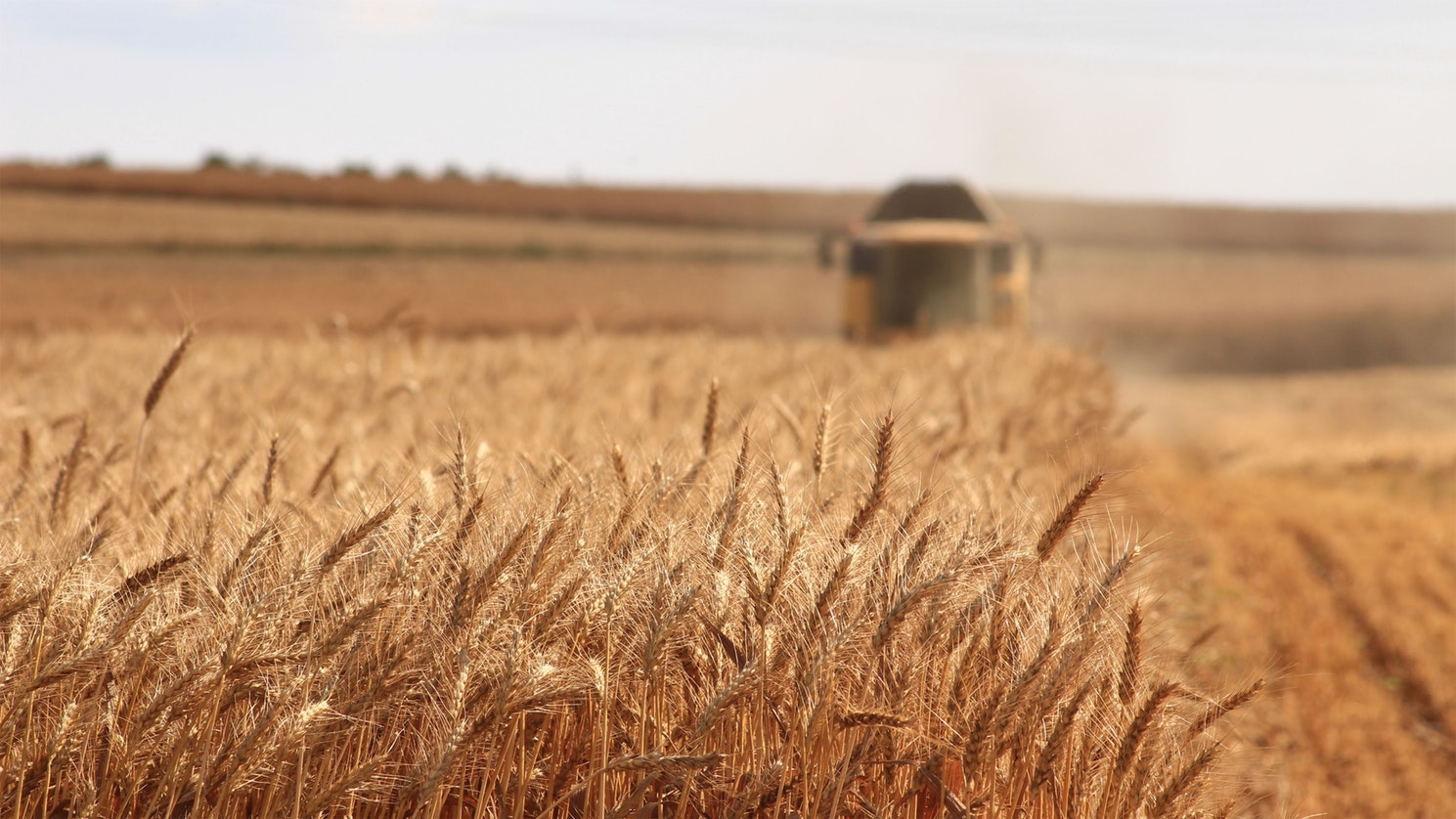
The main reason for the surge was the difference in the pace of the harvesting campaign this year and last year.
“Compared with June 2026, the seasonally adjusted volume of output increased by 1.5–1.8%. The acceleration of GDP growth in July was mainly due to the faster pace of grain harvesting this year compared with the previous year,” the publication says.
Agricultural production growth can be expected to decline as the harvesting campaign draws to a close. In August, year-on-year agricultural figures will be more modest.
“Without the direct contribution of agriculture, GDP would have grown by 3.1% year-on-year in July, close to the June rate. Nevertheless, growth of around 3% year-on-year is high, exceeding Belarus’ balanced growth rate.
It is being achieved through expansionary fiscal policy, increased lending under special programs and the continued influence of favorable market conditions for industry. The effects of expansionary economic policy are reflected in stronger consumer demand and increased investment financed through the budget and preferential lending,” MacroBy noted.
Belarus’ GDP grew by 2.1% over the first seven months, but August results will no longer be as strong, so cumulative growth over the first eight months will be in the range of 2–2.3%.
“If the Russian economy avoids a downturn, Belarus’ GDP will maintain a growth rate of around 2–2.5% year-on-year in 2026. Inflation will remain below 5% year-on-year in the third quarter of 2026, but will recover to the 5–6% year-on-year range by the end of the year as some of the accumulated inflationary overhang is reflected in prices and amid pressure from overheated domestic demand and the labor market,” the publication says.
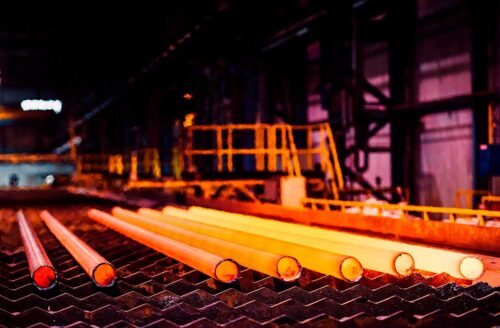
Industrial indicators also improved in July. Compared with July last year, industrial output increased by 1% and was close to the peaks recorded in mid-2024. The publication notes that manufacturing output increased significantly in the Vitebsk and Homiel regions.
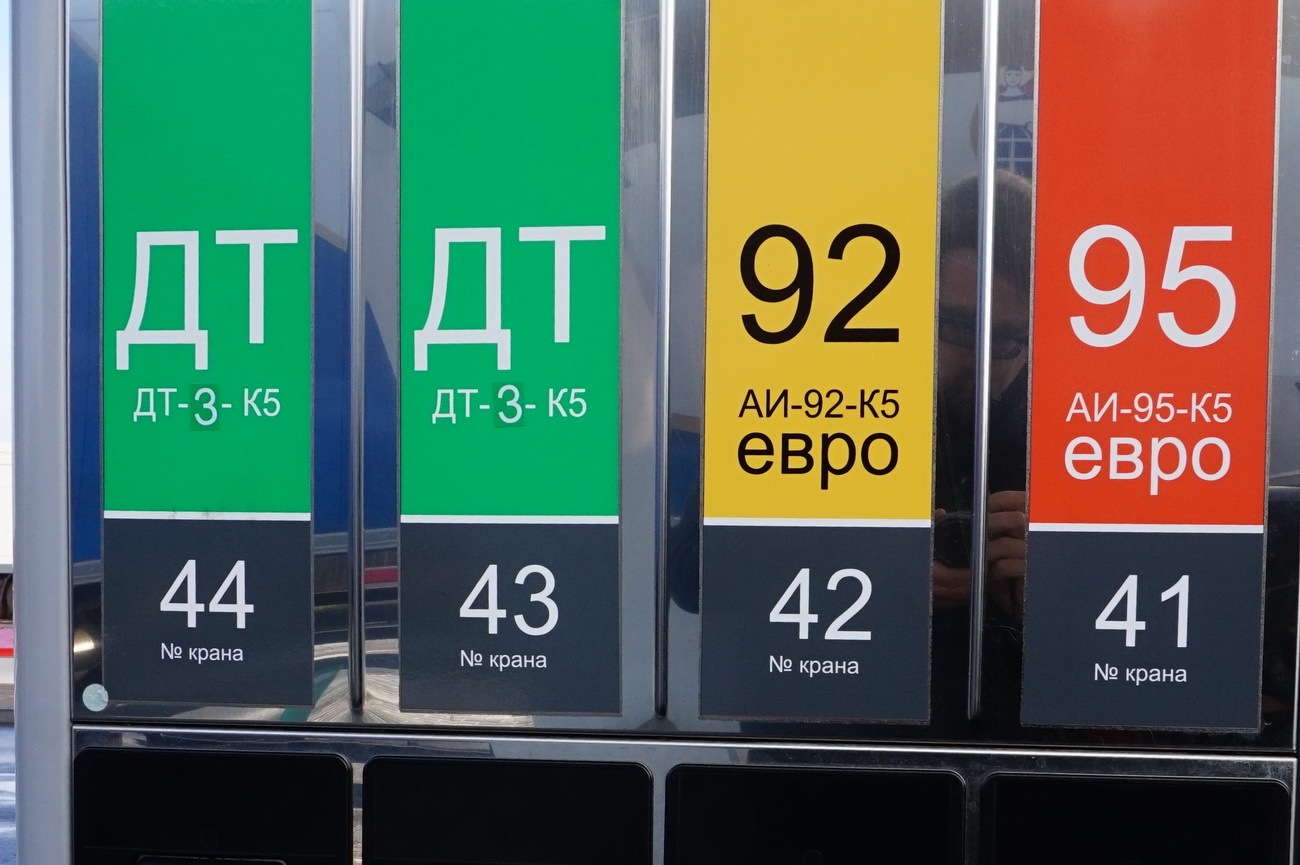
“This points to an increase in petroleum product output amid a reduction in fuel production in Russia. An increase in petrochemical production is also likely, while potash production remained close to the levels already reached, which were near peak levels.
Food production (+4.3% year-on-year in January-July) and the pharmaceutical sector (+7.5% year-on-year) maintained a positive growth trajectory amid strong consumer demand and the development of import-substitution industries. Regional statistics also point to an increase in passenger car production amid stronger demand for such vehicles in the Belarusian and Russian markets,” MacroBy analysts believe.
In other machinery sectors, growth remained subdued due to weaker investment demand in Russia. Industrial output is expected to be volatile in August-September, but moderate growth of around 2% can be expected for the year as a whole.