
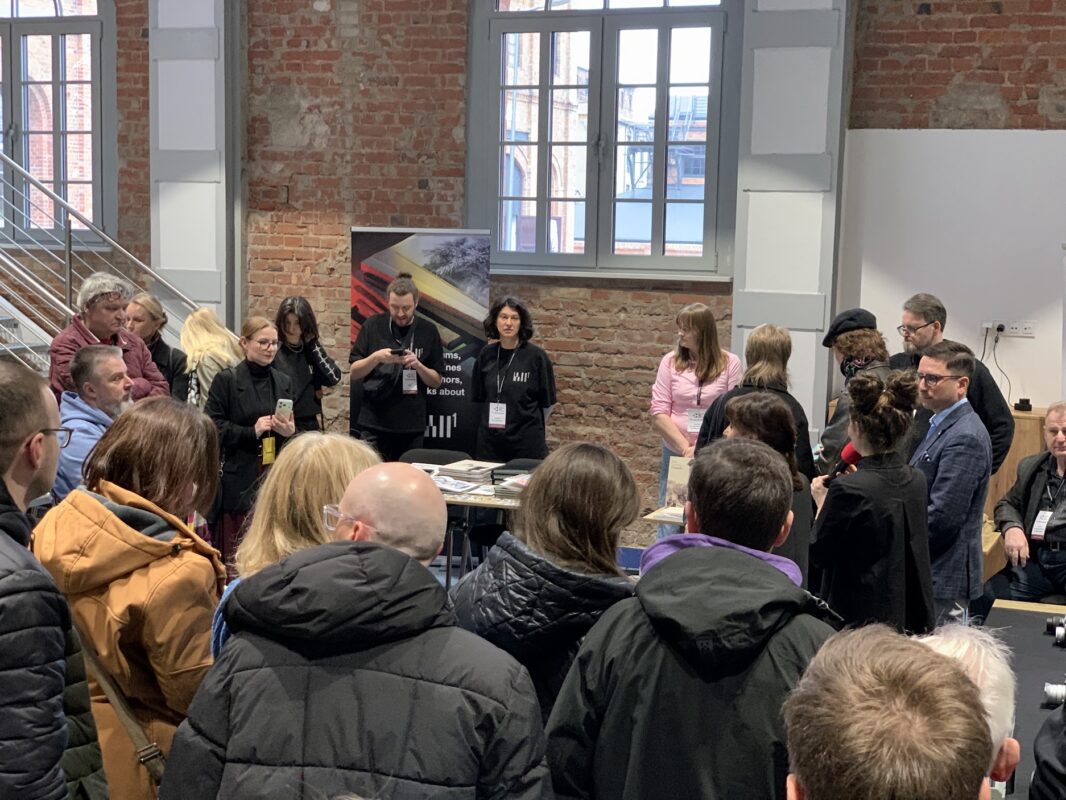
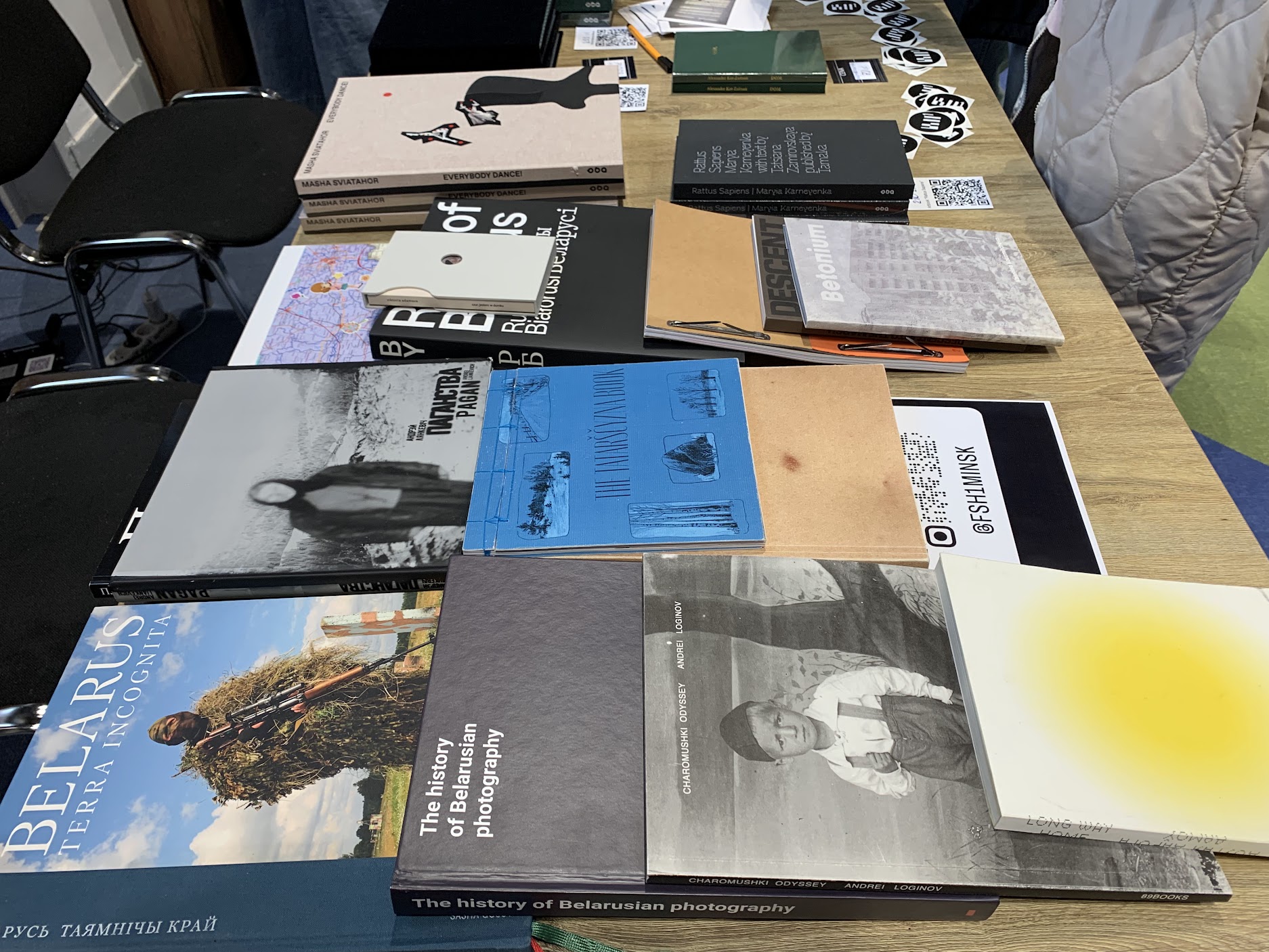
On March 27–29, the 23rd international photo festival took place in the Polish city of Rybnik. For many visitors, the Belarusian presence became a discovery: the festival featured presentations of books by Belarusian authors, while the Belarusian photography platform FSh1 presented a stand of Belarusian photobooks and zines. The result was praise from the professional community, and nearly all copies brought to the festival were sold out.

Book Presentations
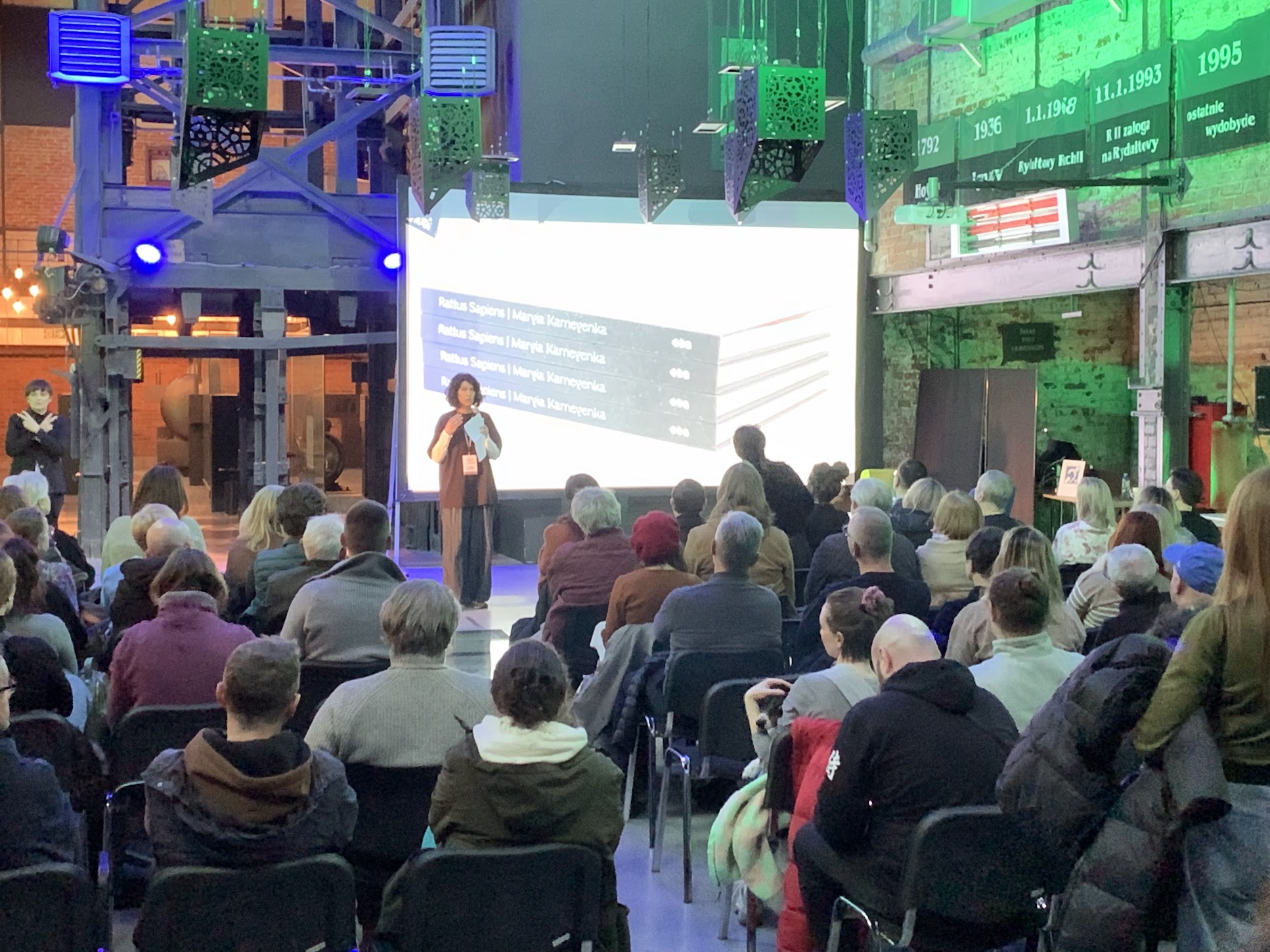
One of the most atmospheric venues of the festival was Zabytkowa Kopalnia Ignacy (Historic Ignacy Mine), where the main book presentations were held.
Belarusian photographer Maryia Karneienka presented her book “Rattus Sapiens.” It is a subtle and witty work that offers an anti-anthropocentric view of the world (through the eyes of a rat). The presentation generated significant excitement: all copies available for sale were immediately sold out, and visitors returned with feedback even the next day.
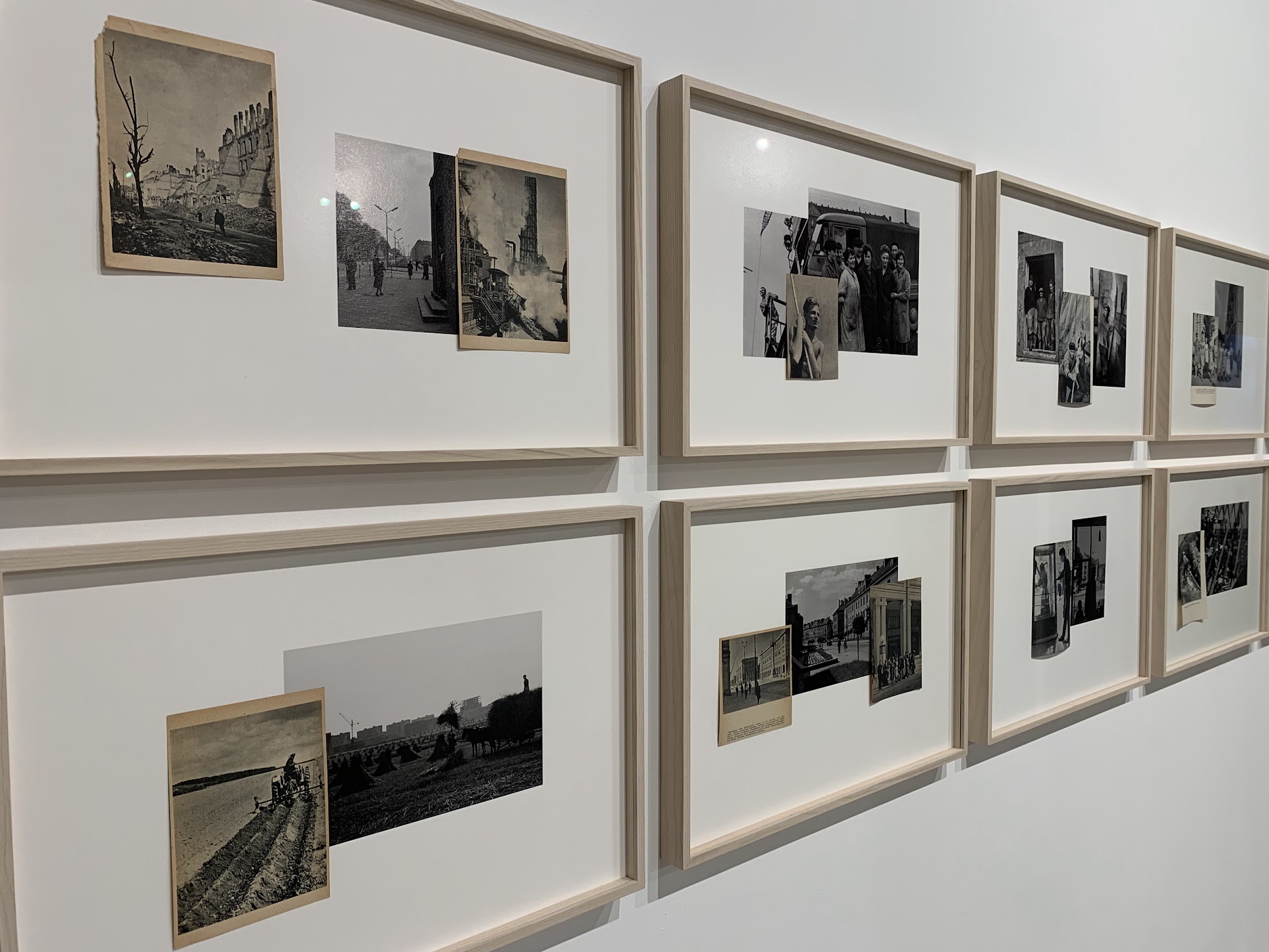
Artist Katsiaryna Kuzmichova (author of the well-known project “Betonium”) presented her new photobook “Butter melts at 36,6.” Kuzmichova, who lives in Wrocław, is already well known in the Polish community, so her new project attracted particular interest. The day before, visitors at Rzeczna Gallery had the opportunity to see her acclaimed “Betonium.”
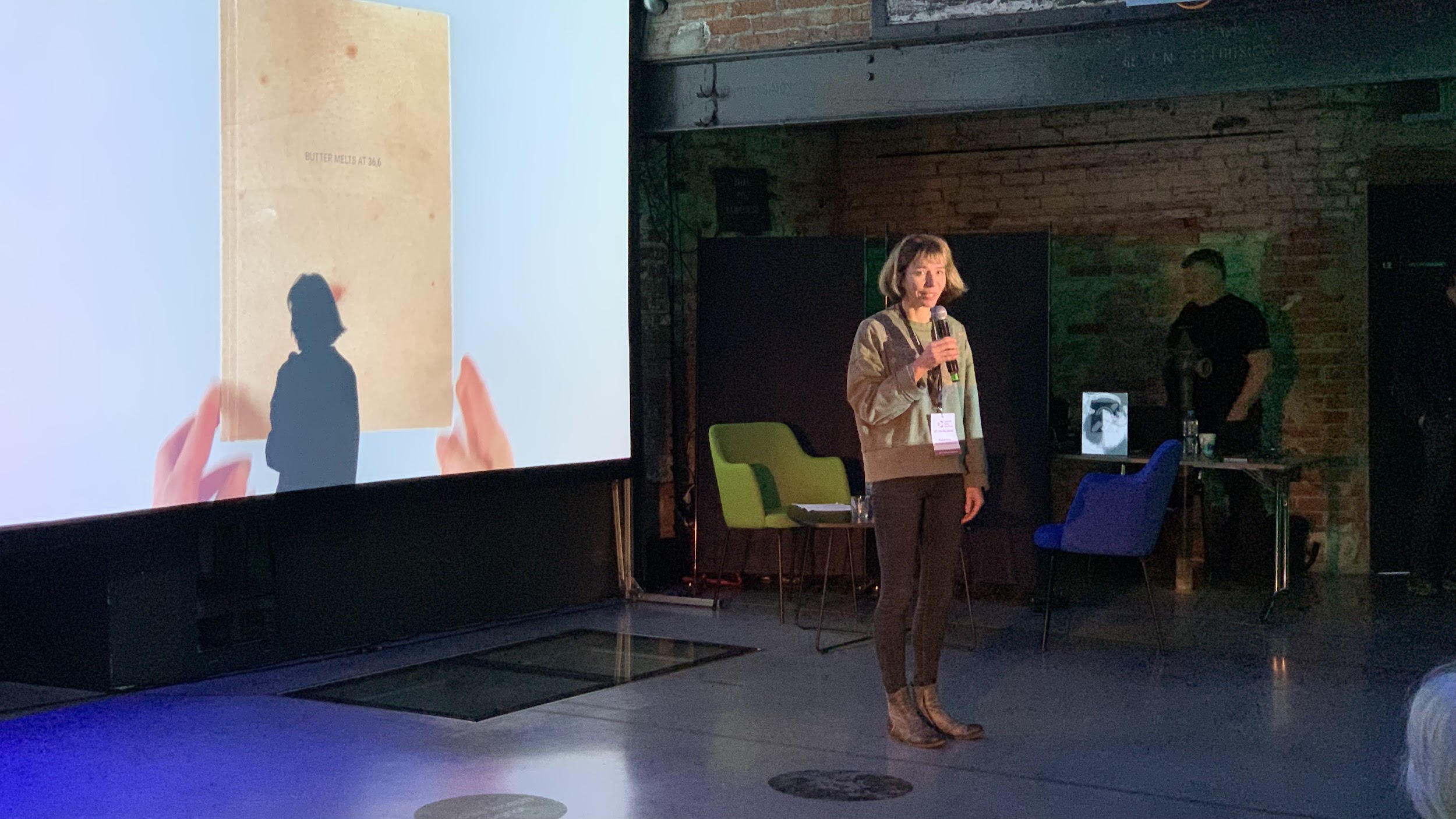
The new series by the Belarusian author — “Butter melts at 36,6” — explores the political and emotional through portraits in domestic interiors, where the act of photographing becomes an act of mutual trust (participants and the photographer photograph each other using Instax cameras). Kuzmichova, who is well known in the Polish photography community, will soon present this project at an exhibition in Canada.
The Belarusian Photobook Stand Drew Constant Attention
The FSh1 platform also brought more than 20 publications to Rybnik, which were presented at a dedicated stand. While this is a relatively small number for an institution, for FSh1 this step was primarily about exploring the market and gauging the interest of the Polish audience. The main goal of the stand was to introduce Belarusian photography to the public.
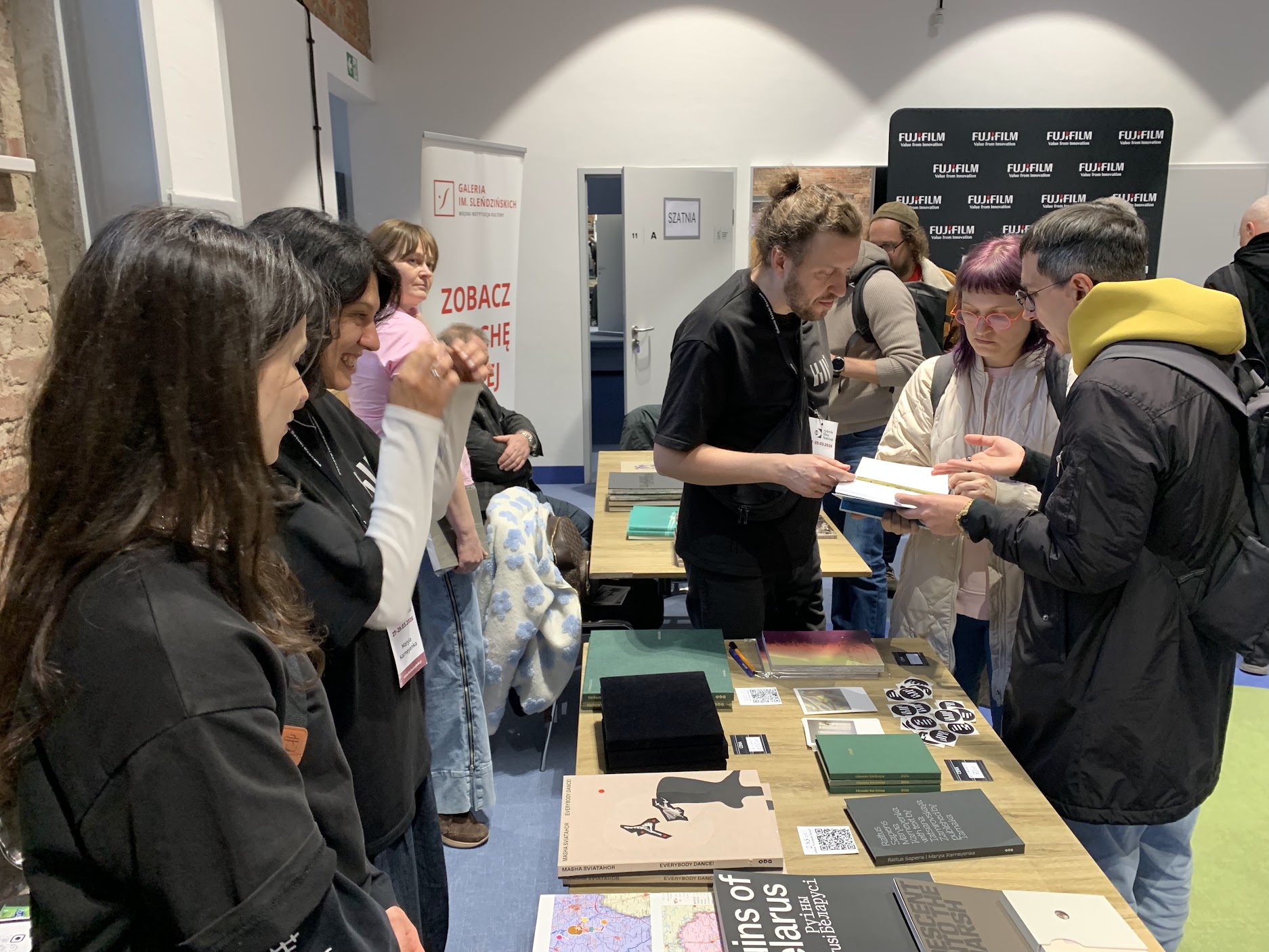
However, visitors not only showed interest but also purchased the publications.
Belarusian participants even received compliments, with their stand described as one of the most interesting at the festival. Visitors noted the diversity of the projects, as well as the high quality of book design (particularly from the Tamaka publishing house).
In addition to the main new releases, themes of migration and memory attracted particular attention: the zine “Scarb” by Yana Shnipelson (stories of objects brought from Belarus), and the book “Czur, jestem w domku” by Vika Adamava.
Works by Mila Kotka (“Verbum Naturae”), Masha Sviatohor (“Everybody dance!”), Ales Kot-Zaitsaŭ (“Dom”), and Volia Zaviarzhieniec (“Aurora Borealis”) also drew attention.
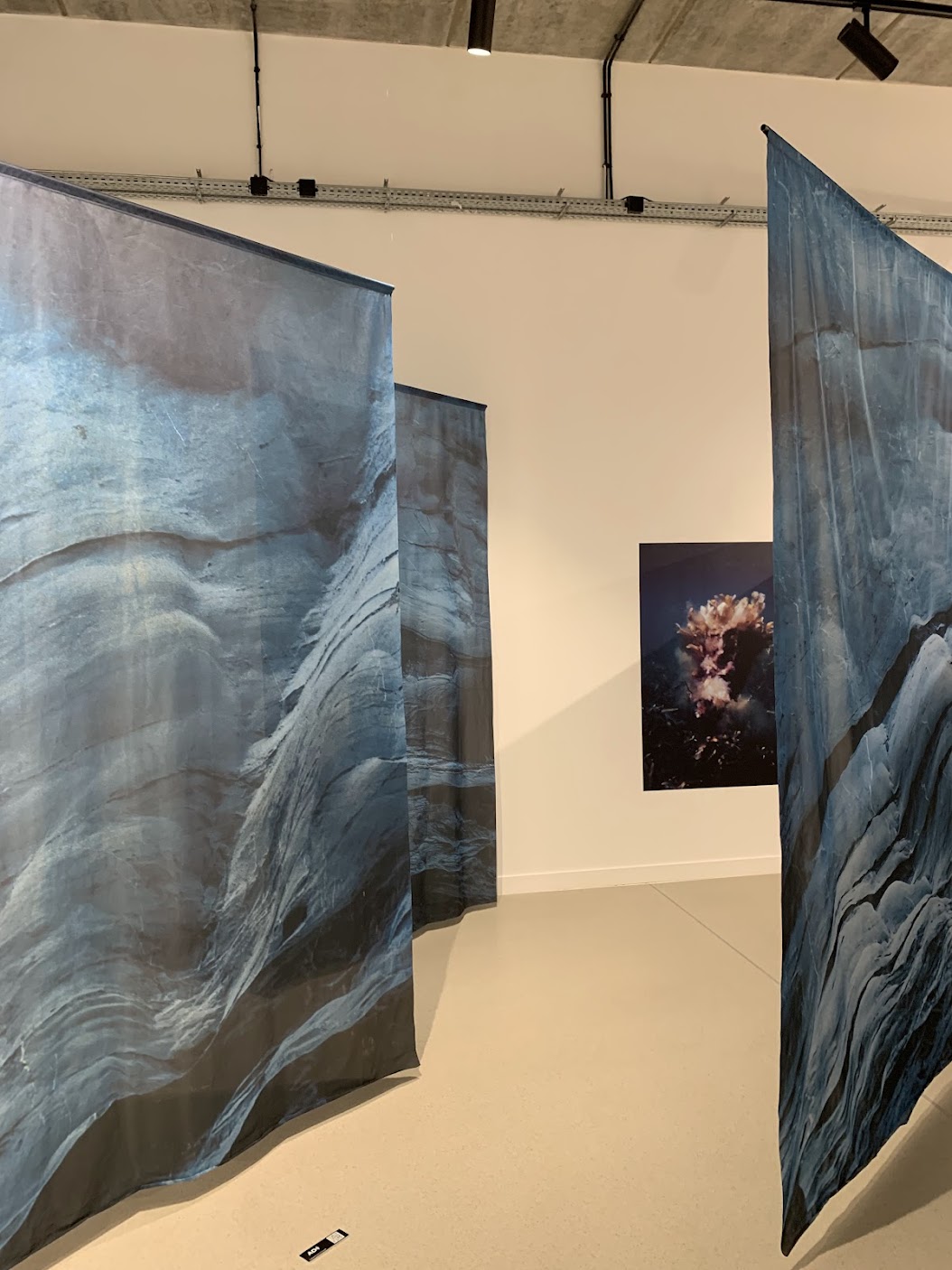
Rybnik Foto Festival is one of the oldest and most respected photography events in Poland’s Silesia region. The festival is known for its openness: there are no strict boundaries between established masters and emerging artists. Its main goal is to create a space for sincere dialogue through visual imagery. Exhibitions take place in iconic venues — from the contemporary Rzeczna Gallery to the industrial interiors of the historic Ignacy Mine.
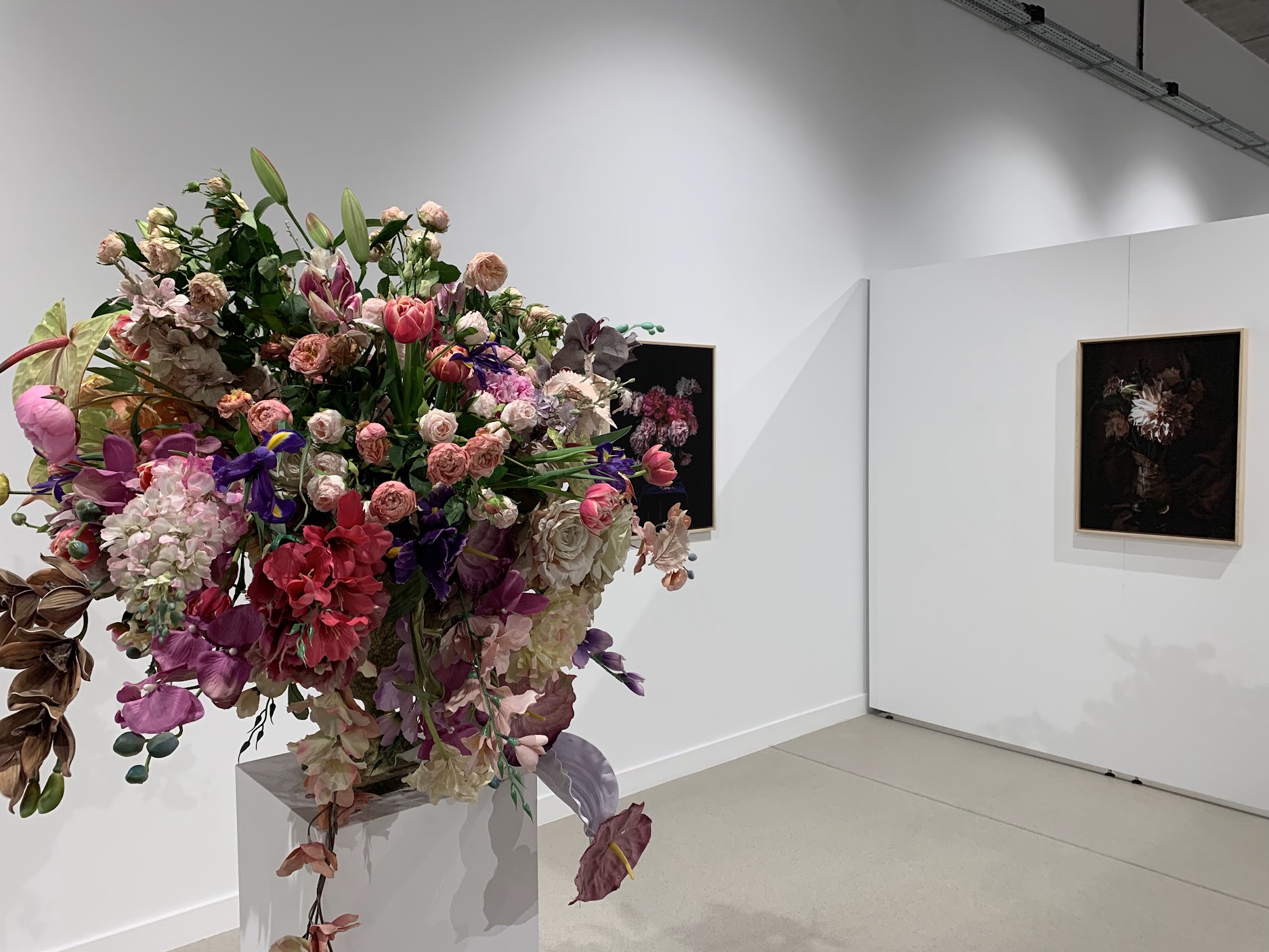
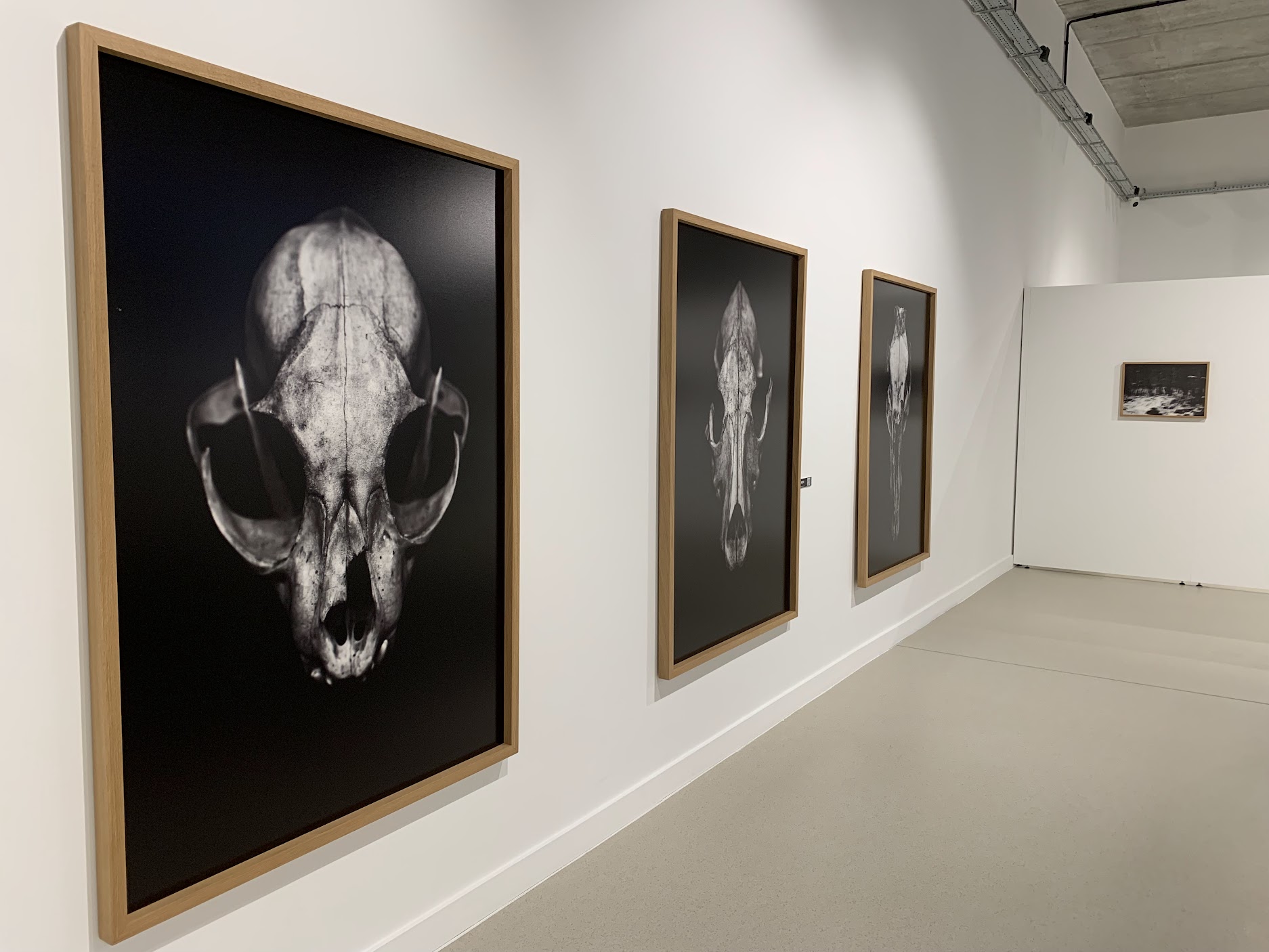
This year’s edition focused on the tension between humans and natural resources. Curators selected projects that resonate with the idea of a “thaw of sensitivity” — a return to the fragility of life, responsibility, and the search for balance. The spotlight was on projects that reject human dominance over nature and instead propose a practice of attentiveness.
Subscribe to cultural news from Reform.news on Telegram