
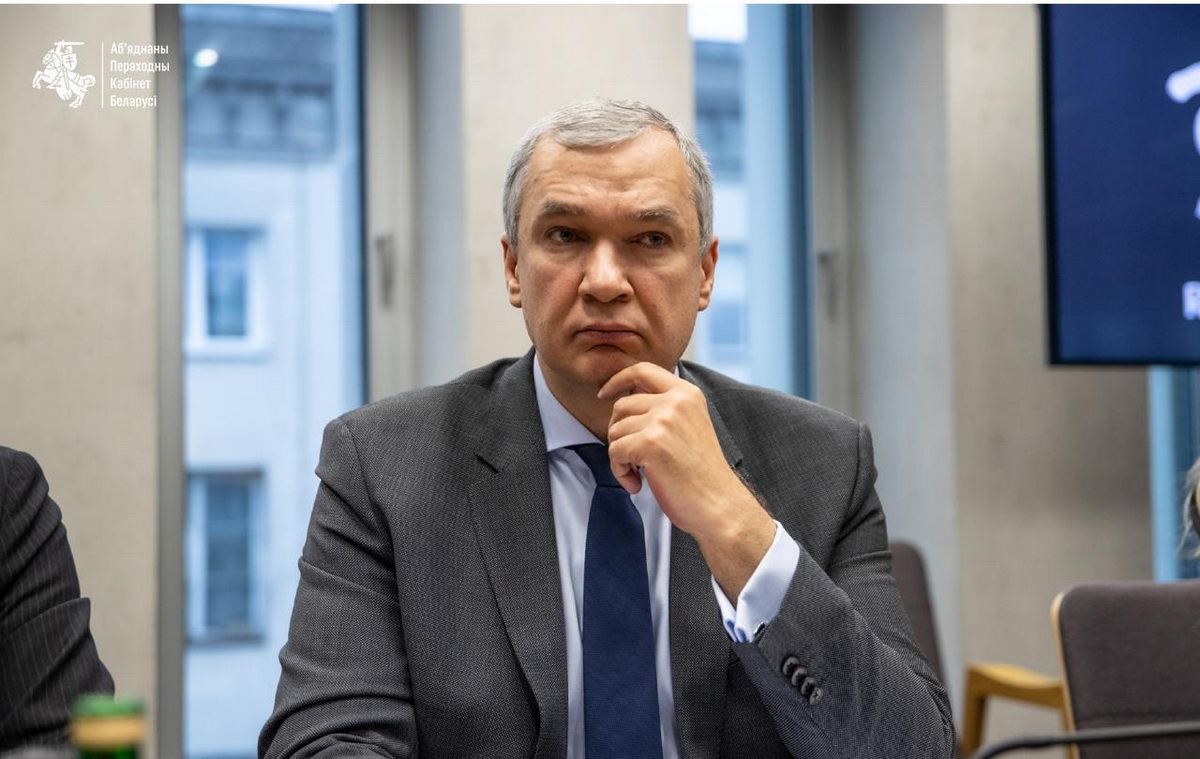
Deputy Head of the United Transition Cabinet Pavel Latushka informed the Czech side about the ongoing repressions in Belarus. He presented the available data during a meeting at the Czech Embassy in Warsaw, held on the occasion of International Human Rights Day, the Cabinet’s press service reports.

The meeting was attended by representatives of independent Belarusian media and NGOs.
Pavel Latushka stated: “Our most important goal is the release of all political prisoners from Lukashenka’s prisons, but our strategic goal is democratic change in Belarus.”
The politician reminded that, according to the Human Rights Center “Viasna,” there are currently 1,217 political prisoners in Belarus, while Dissidentby lists 1,273. According to him, Lukashenka has released four times fewer political prisoners than were declared after the last release on 11 September 2025.
“We must look very carefully and realistically at the fact that Lukashenka is not changing his repressive policies,” he noted.
Pavel Latushka highlighted the importance of the EU position voiced in Brussels by the EU High Representative for Foreign Affairs and Security Policy Kaja Kallas: the EU will continue supporting Belarusian democratic forces, stressing the need to “isolate, including through additional sanctions, the regime that for four years has been helping Russia wage an aggressive war against Ukraine.”
He appealed to the Czech side to support the Cabinet’s position that the regime must first enter into dialogue with Belarusian society and democratic institutions and undertake real policy changes — only after that can it expect any adjustment of the EU’s stance.
“It is important that Lukashenka sees unity in the EU’s position toward his criminal regime and understands that the EU’s stance will not change until the regime undertakes real changes in its internal repressive and external aggressive policies,” he stressed.
The Cabinet representative also briefed the ambassador and Czech diplomats on the activities of the United Transition Cabinet and the Coordination Council, and asked for the Czech government’s support in holding Lukashenka accountable for crimes against humanity committed against the Belarusian people.
Czech diplomatic missions hold such meetings annually. Their origins trace back to the initiative of French President François Mitterrand, who on 9 December 1988 met with members of Charter 77, led by Czech dissident Václav Havel — later the president of the Czech Republic — at the French Embassy in Prague.