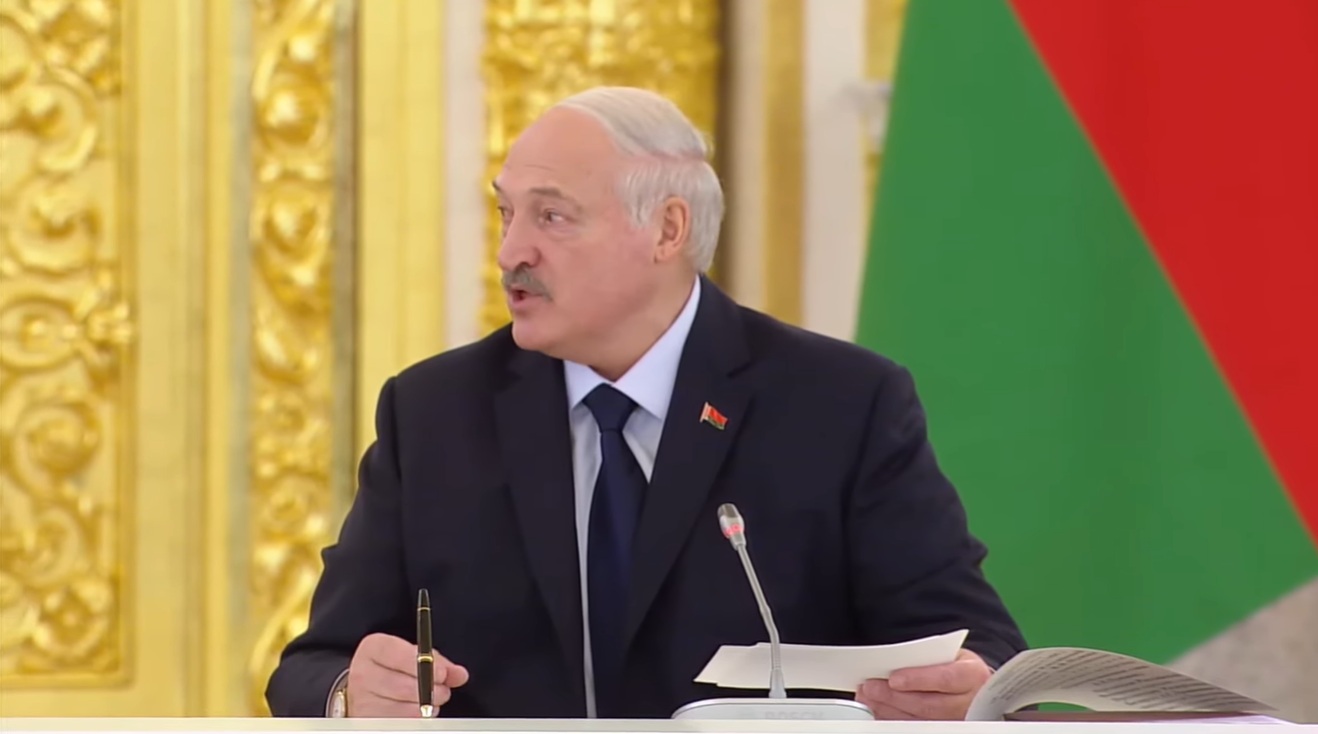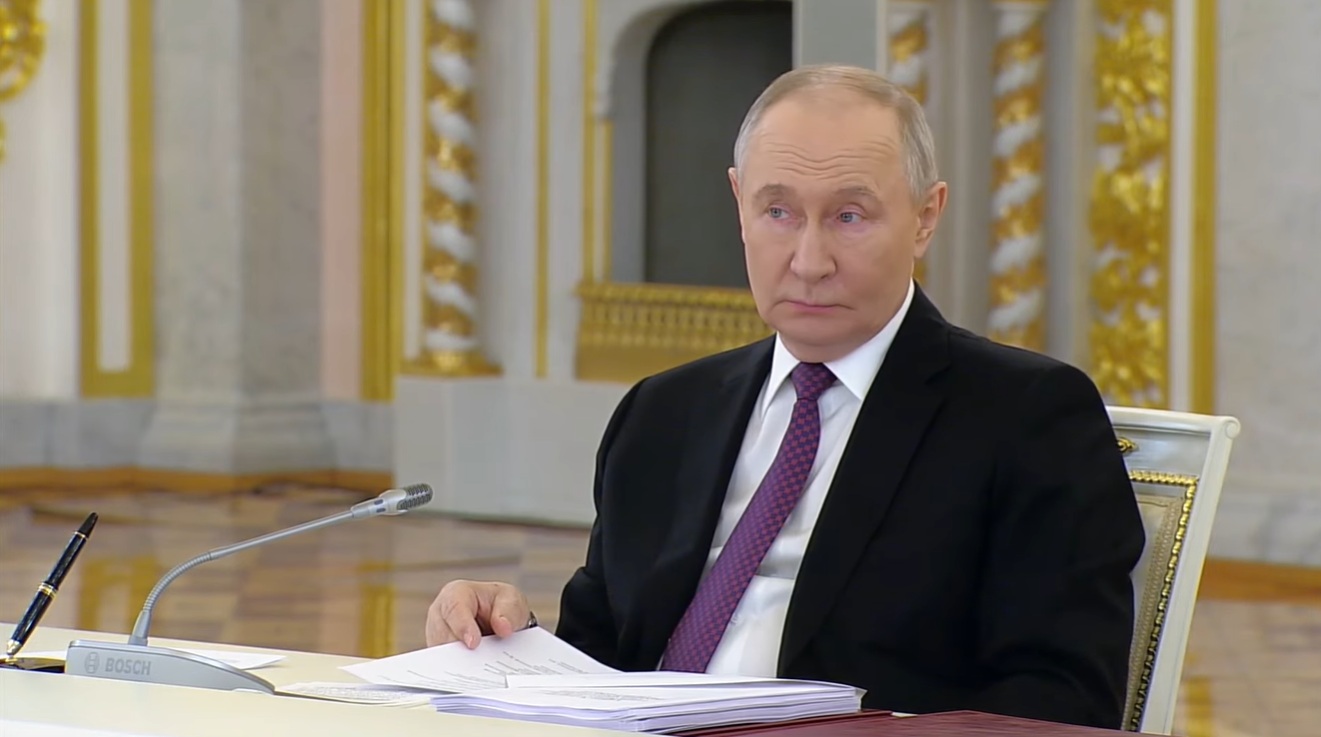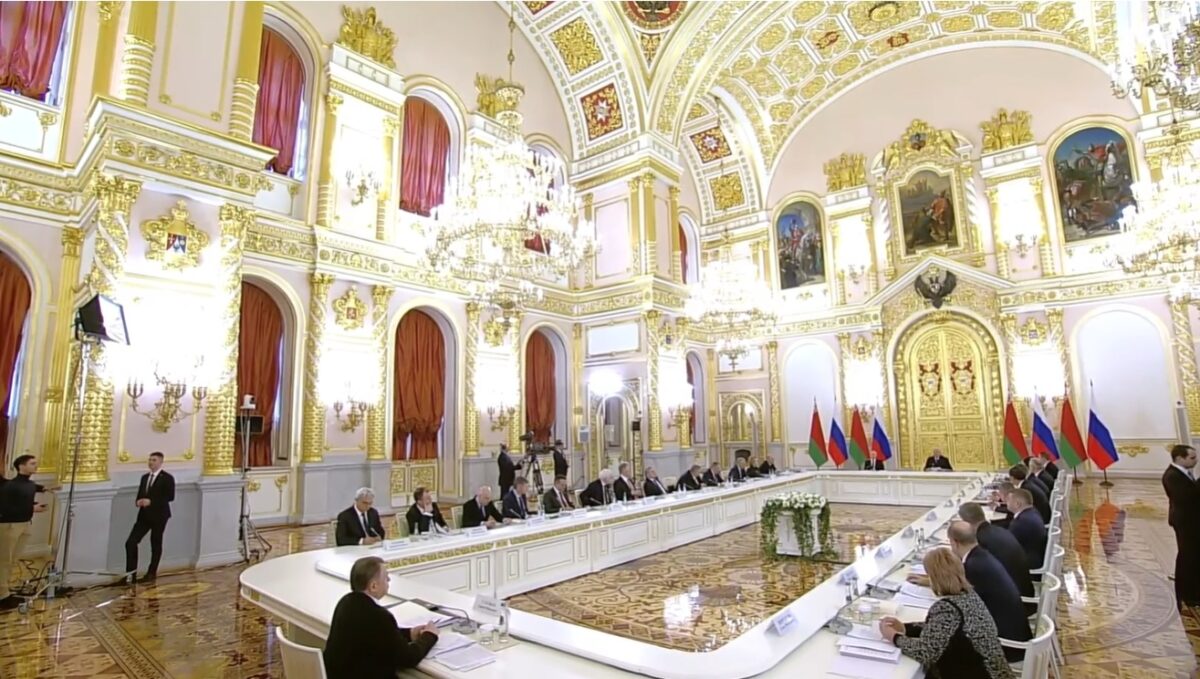
Union programmes for 2024–26 have been implemented by 40%. This was stated by Alyaksandr Lukashenka at a meeting of the Supreme State Council of the Union State in Moscow.
“At the moment, only 40% of sectoral measures have been implemented (125 out of 310). A relatively small number of instructions are behind schedule (14, or just 4.5%),” he said.
According to him, preparations are under way in parallel for the Main Guidelines for the next three-year period, 2027–30.
“And most importantly, they must be implemented. They should be focused прежде всего on ensuring the technological sovereignty of the Union State and technical parity with other countries. In union-building, we proceed ‘from real life’, moving to a higher level of integration and creating interstate structures where this has become necessary,” he said.
Alyaksandr Lukashenka noted the existence of joint Union bodies in the areas of tax and customs administration and the Union hydrometeorological service. This list, following the meeting of the Supreme State Council, is to be supplemented by a joint standardisation body. He also noted that the council is to decide on the launch of cross-border railway services between regional centres.
Speaking about bilateral cooperation, he also addressed the international context.
“In the current international situation, against the backdrop of heightened tensions, primarily on the western borders, it is vitally important for us to develop relations of alliance and strategic partnership between Belarus and Russia.
The geopolitical configuration objectively sets before us the task of being ready to respond jointly to any challenges.
The practical implementation of the Treaty on Security Guarantees within the framework of the Union State has begun. In December, as we agreed, the Oreshnik missile system went on combat duty in Belarus.
We work in a coordinated manner in foreign policy. The signing today of the Directive on Mutual Support and Cooperation in the Field of International Justice will be an important step in protecting common interests, the inviolability of international law and its institutions,” Lukashenka said.
He also drew attention to the fact that partners of Belarus and Russia are facing international pressure.
“The global trading system is being blocked, bent and broken to suit certain interests through the introduction of prohibitive tariffs, technological and energy blockades, currency pressure and piracy on logistics routes. Some countries are not allowed to export oil, others are not allowed to import it — they try not to allow it. If the leaders of the multipolar world — China and Russia — are at least somewhat feared, then unprecedented pressure is being exerted on their allies. In just the past few weeks, Venezuela, Cuba and Iran — our common partners — have become targets of the most blatant interference, primarily through the economy.
Therefore, technological sovereignty, reliance on our own resources and competencies, prioritising Union products and protecting the common market of the Union State are the same security frontiers. No less important than military and foreign policy ones,” Lukashenka stated.
He emphasised the importance of interregional cooperation, which, according to him, Iran is ready to join.
“Our activities at the regional level are extremely important. Today the Chinese have already proposed to us: based on the principle of how you work with Russia, let us work region to region. Iran — not today, but about half a year ago — also expressed a desire for such cooperation. On the ground, it is more visible what people need. Therefore, the fact that we once pushed this process forward, and that parliamentarians are engaged in it, especially senators, I am grateful to them for that. And I very much hope that the Russian government will remain committed to our union-building, and that we will fulfil all instructions, all our agreements and all the decisions that we take jointly within our activities,” he said.