
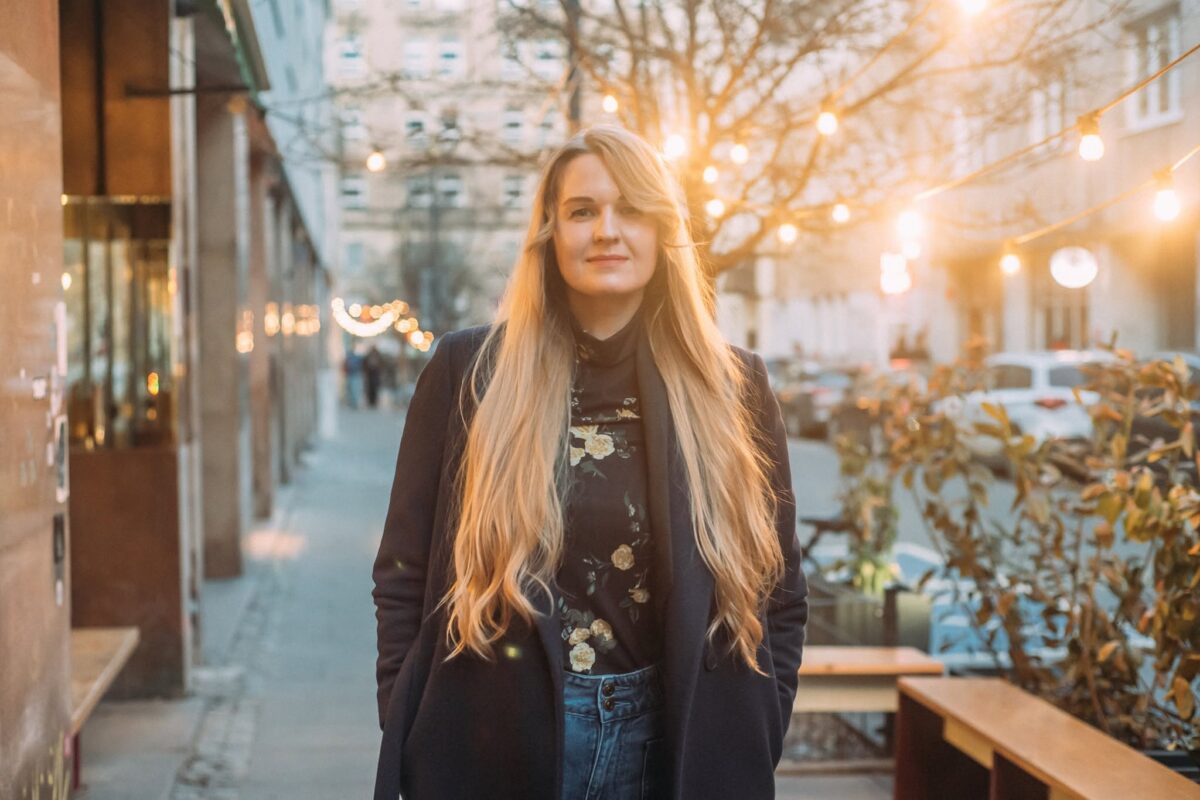
Iryna Katsialovich, Deputy Representative for National Revival on Cultural Affairs in the United Transitional Cabinet, spent three weeks traveling across the United States as part of the U.S. State Department’s International Visitor Leadership Program (IVLP). The Belarusian politician studied how culture functions in American cities and communities and shared observations that may be useful for a future Belarus.

Reform.news has decided to publish them in full.
1. In the United States, Culture Is Viewed as a Natural Driver of Economic Development
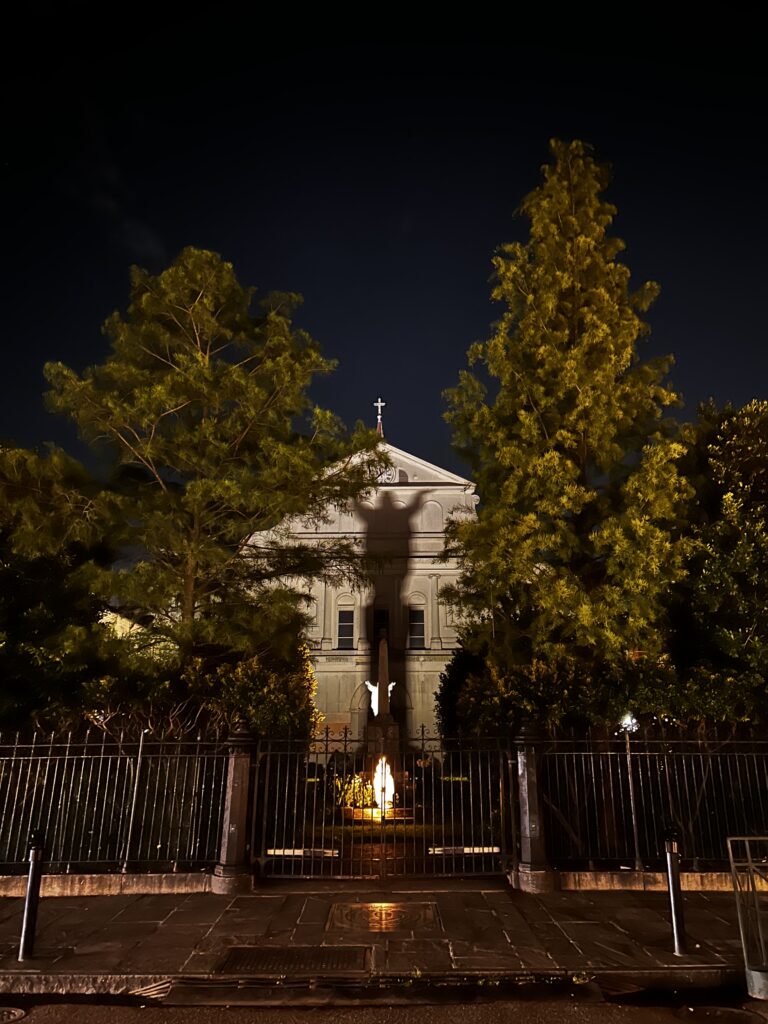
Cultural venues become centers of economic activity, attracting businesses and tourists. Both large cities, such as New Orleans, the capital of jazz, and small towns, such as Casey, South Carolina, deliberately invest in culture to improve prosperity.
Local organizations collect statistics on growth in creative-sector employment, increases in tourism revenue, and short-term rental income. In Washington, I heard the argument that music functions as a form of psychological therapy and reduces the burden on the healthcare system. In New Orleans, I saw the slogan: “In Louisiana, culture means business.”
A practical approach to culture prevails here, one that works well in dialogue with public authorities. At the same time, decisions depend to a greater extent on voters, and in some states residents can vote directly on budget priorities.
2. Unlike European Countries, Culture Does Not Play a Nation-Building Role Here
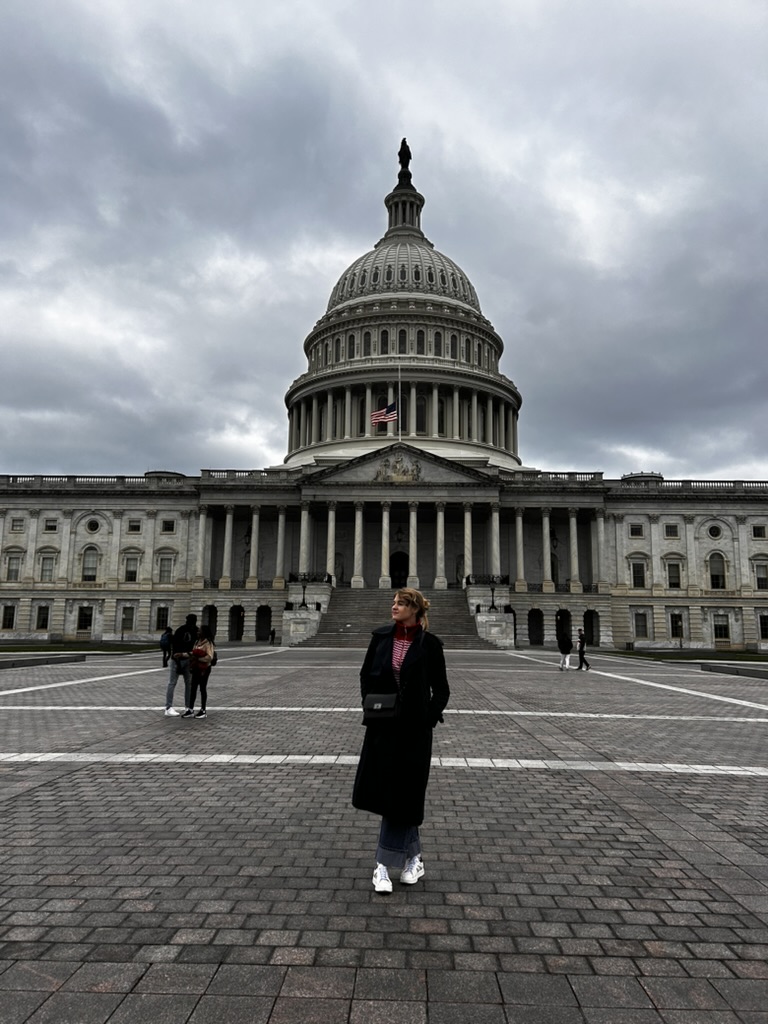
This is linked to the history of the United States as a country of many nationalities. What united it was not culture, but the values of freedom and the pursuit of happiness.
As a result, there is no federal Ministry of Culture, and approaches to cultural support vary from state to state. Because of differences in historical experience, American colleagues sometimes find it more difficult to understand why culture is a matter of national security for Belarus under conditions of constant pressure on its identity from Russia. The closest parallel for them is American patriotism.
3. Civil Society Understands Its Responsibility for Culture
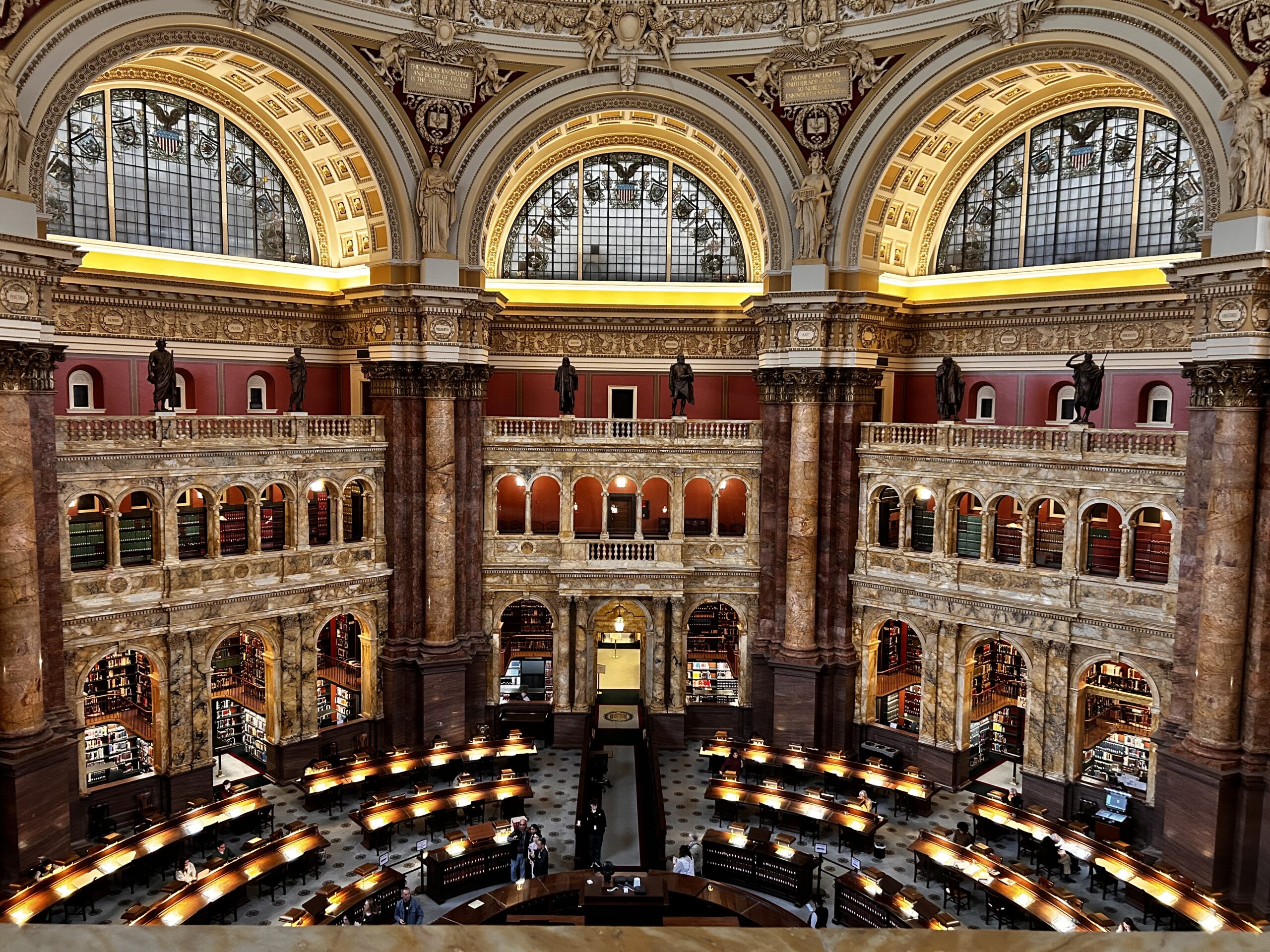
Since there is no Ministry of Culture in the United States, private and civic organizations play a major role. In many ways, this approach resembles the Belarusian diaspora.
The difference is that American cultural organizations can receive government grants from their own country. They preserve heritage, develop the arts and local cultural traditions, including jazz, create opportunities for artists, build collections and libraries, and protect authors’ rights.
Behind this work stand professional teams and sustainable organizations with decades of experience.
4. Private Funding of Culture Is Standard Practice
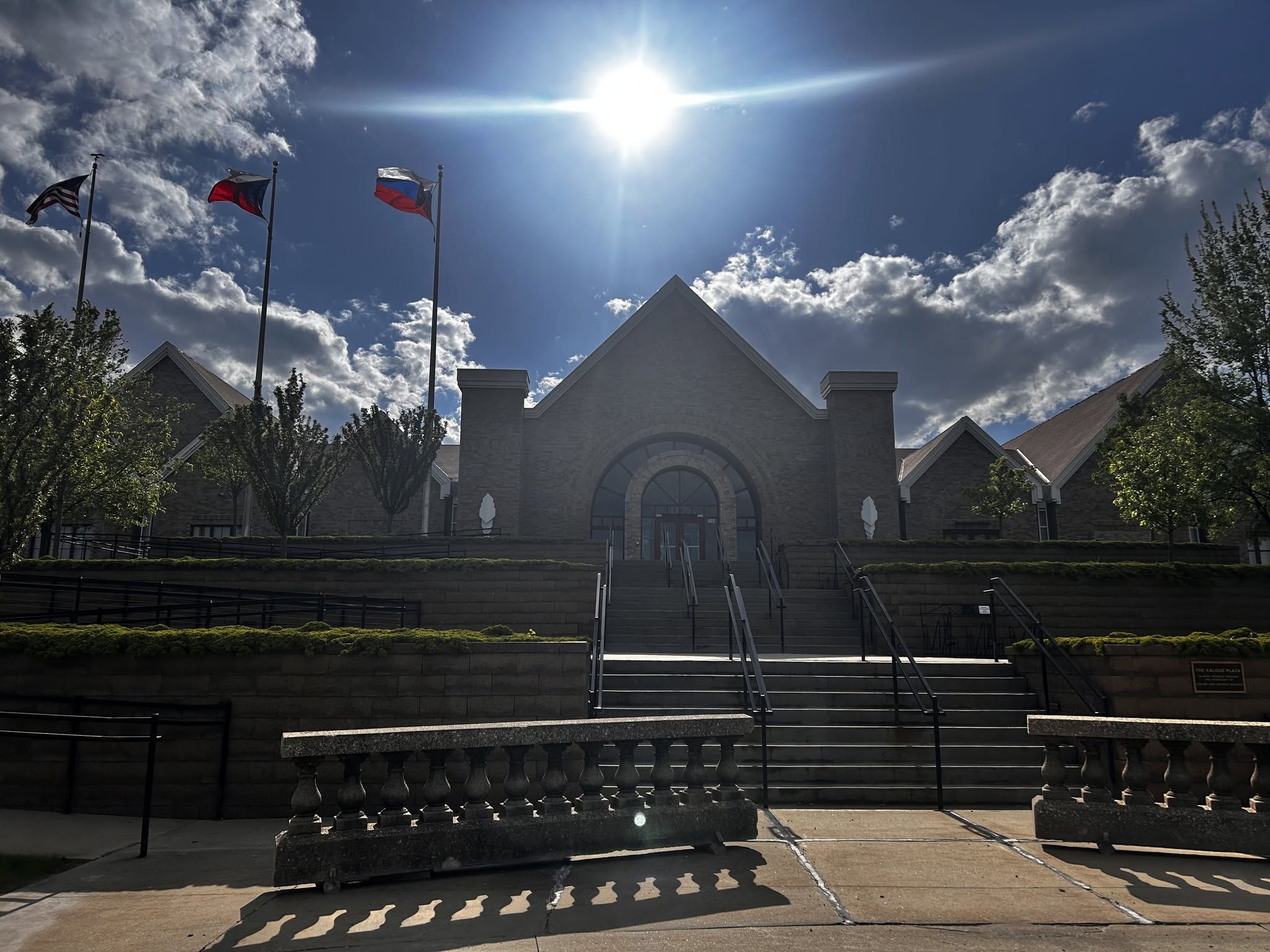
A revealing example is the National Czech & Slovak Museum & Library in Cedar Rapids. Its annual budget is approximately $2.5 million, and 90 percent of that funding comes from private donations.
The museum is supported by descendants of immigrants from the Czech Republic and Slovakia. This culture of philanthropy enables a large number of cultural organizations and projects to exist.
It is precisely this tradition that Belarusians in exile currently lack. For now, we are speaking more about individual examples than about a sustainable phenomenon.
5. Freedom of Expression Creates Diversity
Freedom allows people to develop their own systems of values and, alongside them, distinctive communities and local identities.
The city of Fairfield, Iowa, became known thanks to followers of the Transcendental Meditation movement, one of whom was David Lynch. Rather than becoming a cult, the movement attracted entrepreneurs, members of the arts community, and people from the IT sector, turning the city into an example of how a unique identity can foster development.
Another example is the Mennonite and Amish communities. They preserve their way of life while successfully interacting with broader society through farming, crafts, and family businesses.
In the United States, local organizations consciously support and develop local identity. For me, this became one of the clearest examples of how freedom creates healthy diversity.
Subscribe to Reform.news cultural news updates on Telegram