
The Belarusian diaspora in Germany joined Berlin’s Karneval der Kulturen (Carnival of Cultures) for the first time in history — one of Europe’s largest street festivals, which this year celebrates its 30th anniversary.

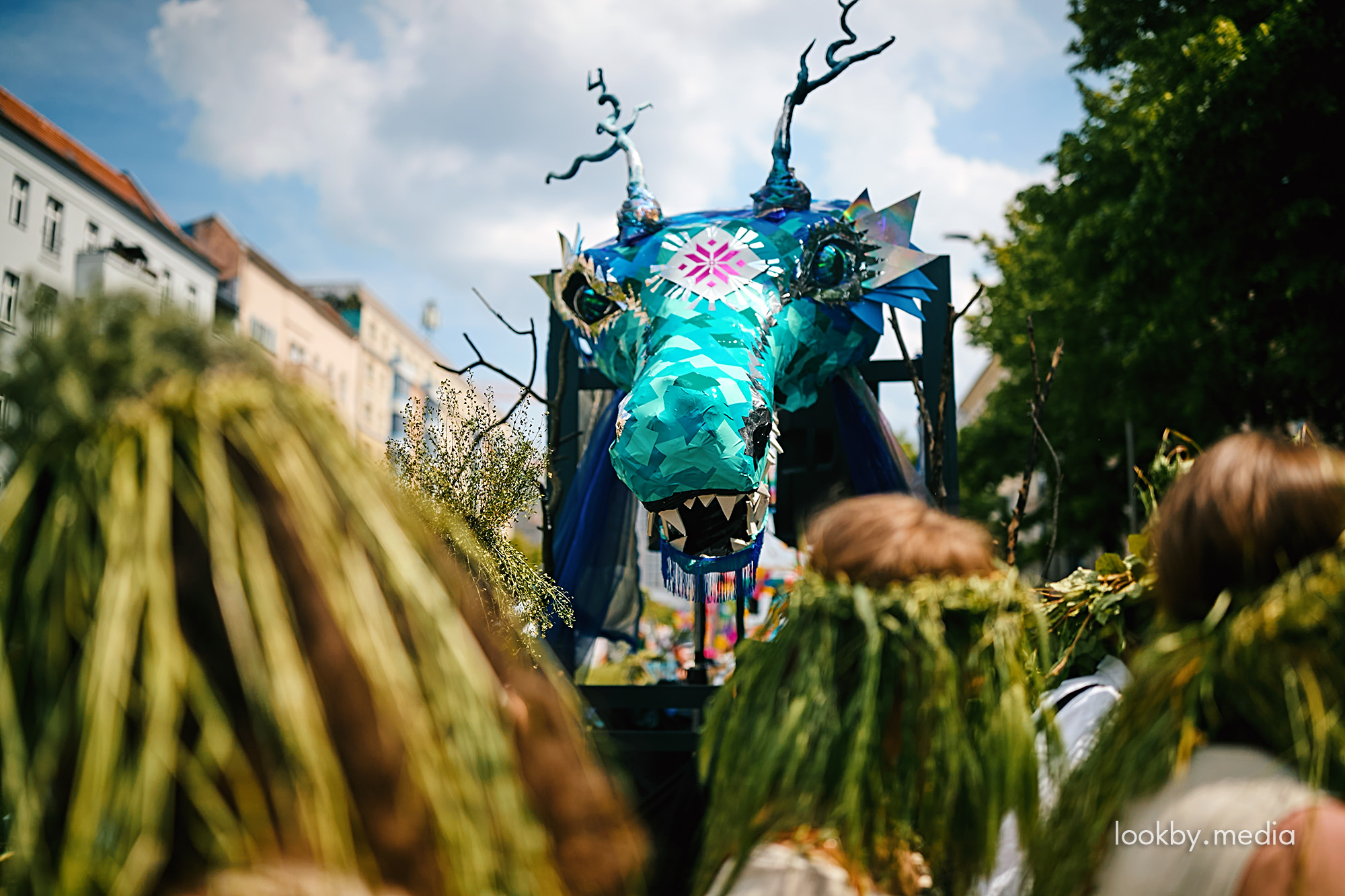
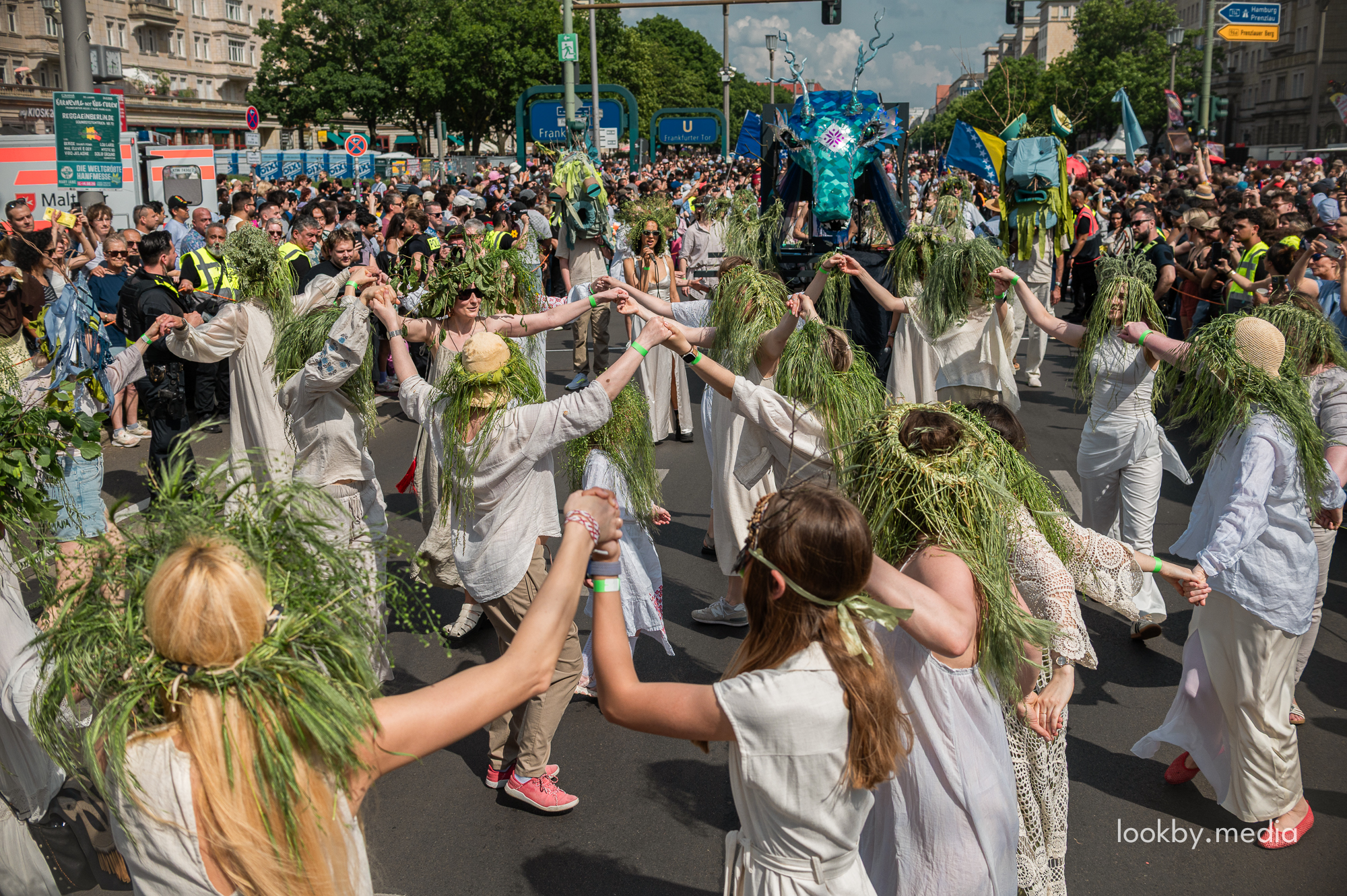
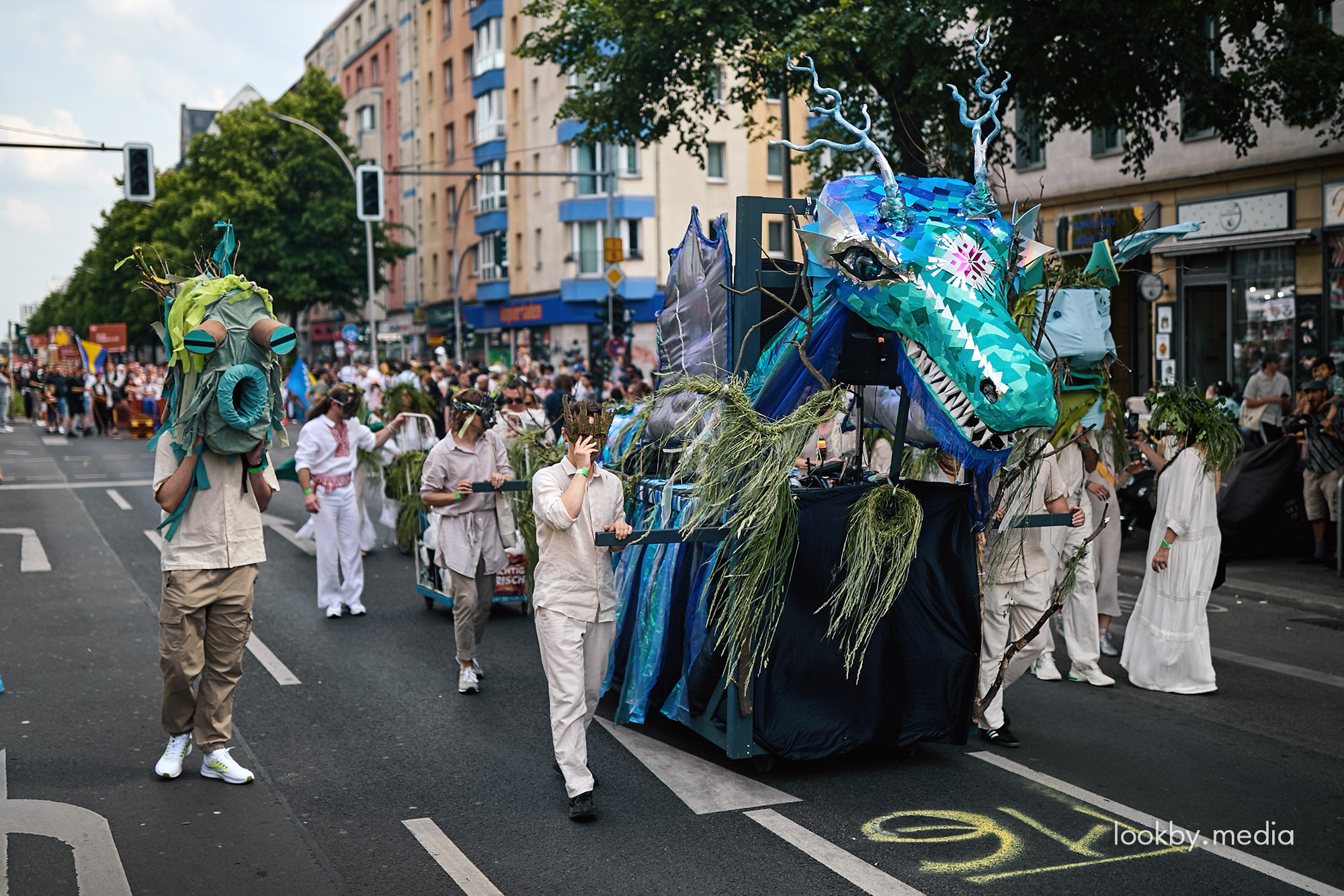
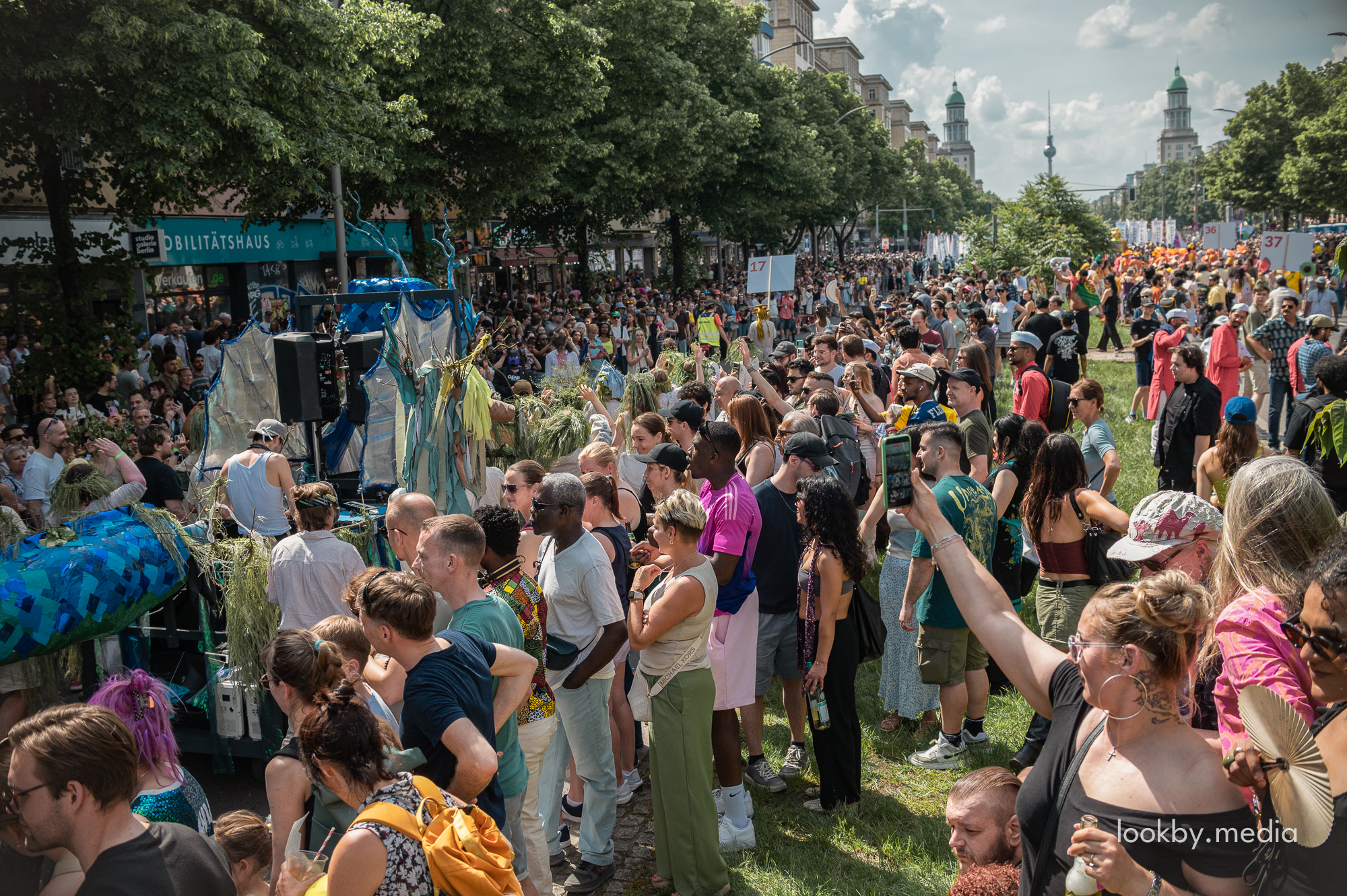
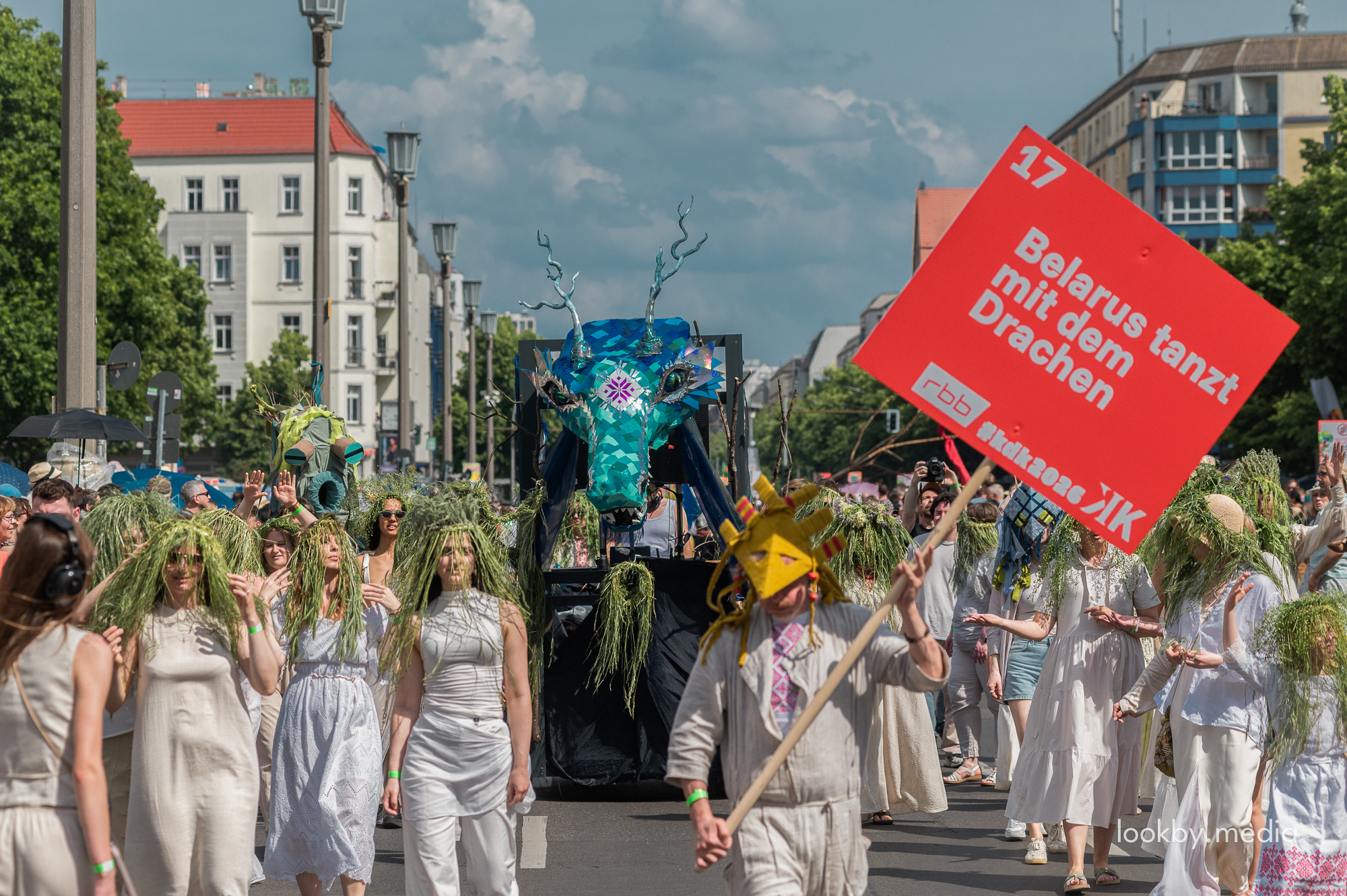
On Sunday, May 24, Belarusians took to the streets of the German capital as group number 17 with the project “Belarus tanzt mit dem Drachen” (“Belarus Dances With the Dragon”). An exclusive photo reportage from the scene was provided to Reform.news by the agency lookby.media.
Participation in the street parade was organized by an independent volunteer initiative of Belarusians.
From Chat Discussions to Building the Tsmok
The driving force and artistic director behind the project was Berlin-based fashion designer Nata Ko. As the artist told lookby.media, the idea for the performance emerged last summer in one of the Belarusian chat groups in Germany.
“I kept pushing this idea forward and forward… In the end, I became the person who submitted the application,” the organizer said.
Permission from the Berlin authorities was obtained at the end of January 2026, after which a team of about 20 artists, musicians, and activists — many of whom met during the process — began to form. Financial issues proved the most difficult: the team did not have a registered structure for collecting donations in Germany, so participants covered part of the expenses themselves, while the lack of funding forced the program to be revised on the go. The active construction phase of the Tsmok itself only began in April, and the first full rehearsal took place directly at the parade gathering point on the day of the event.
Pagan Vibes Instead of South American Feathers
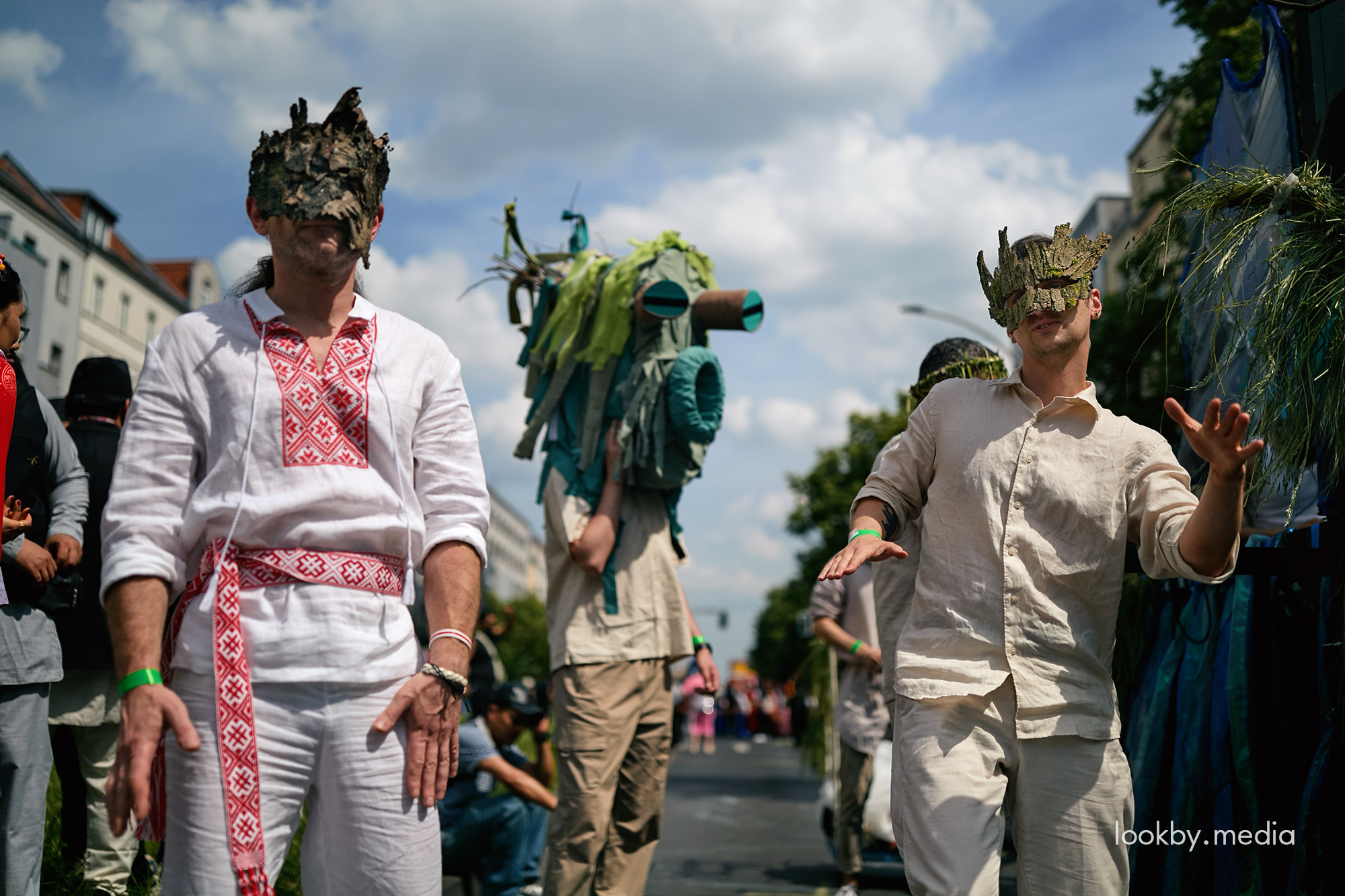
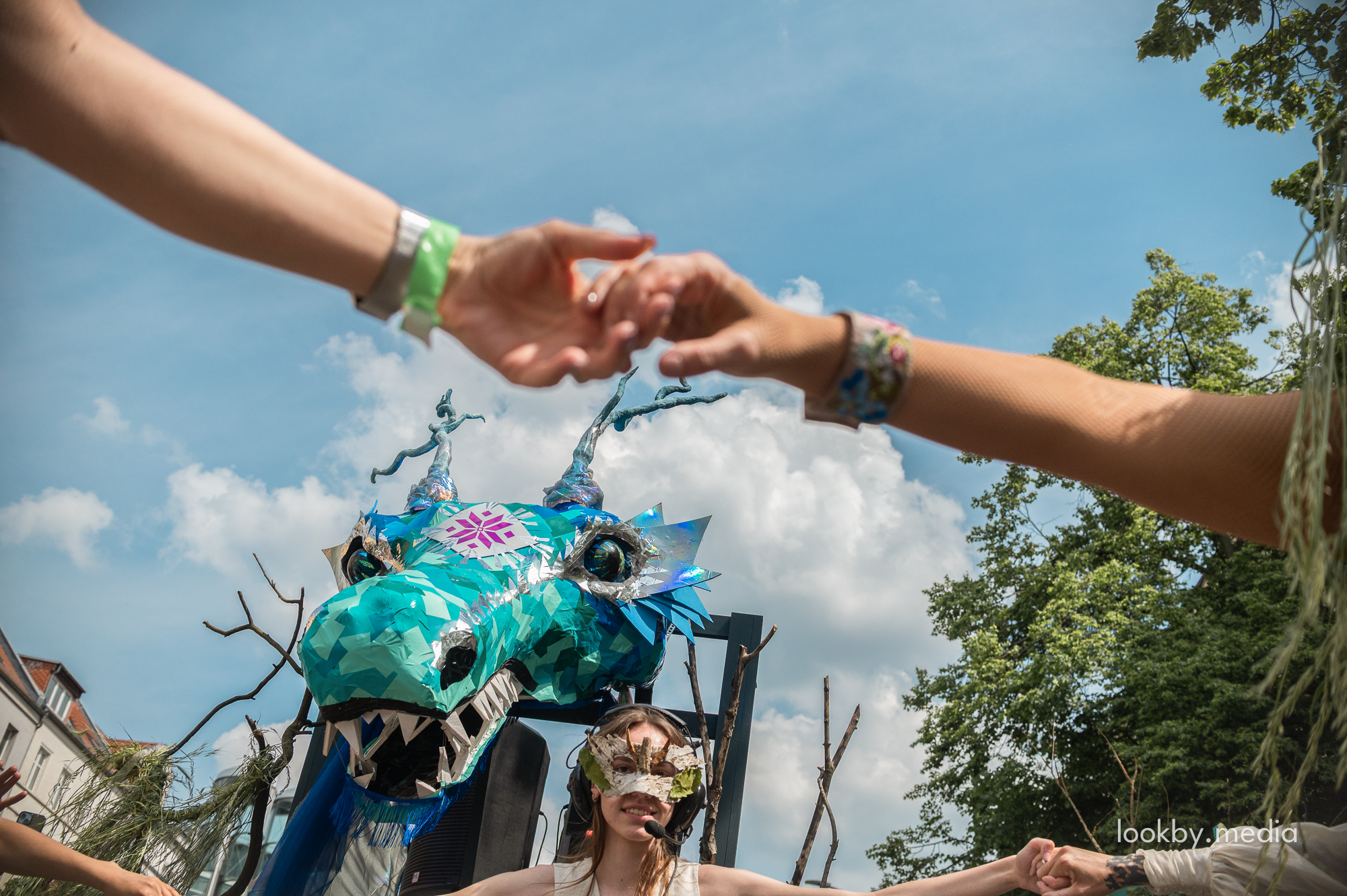
Unlike the familiar carnival aesthetic of Brazilian dances and bright feathers, the Belarusian participants decided to present a completely different energy — more mythological and folkloric. The central figure of the column was the Tsmok (a water dragon), around which gathered about 20 participants wearing handmade costumes of water spirits and forest creatures.
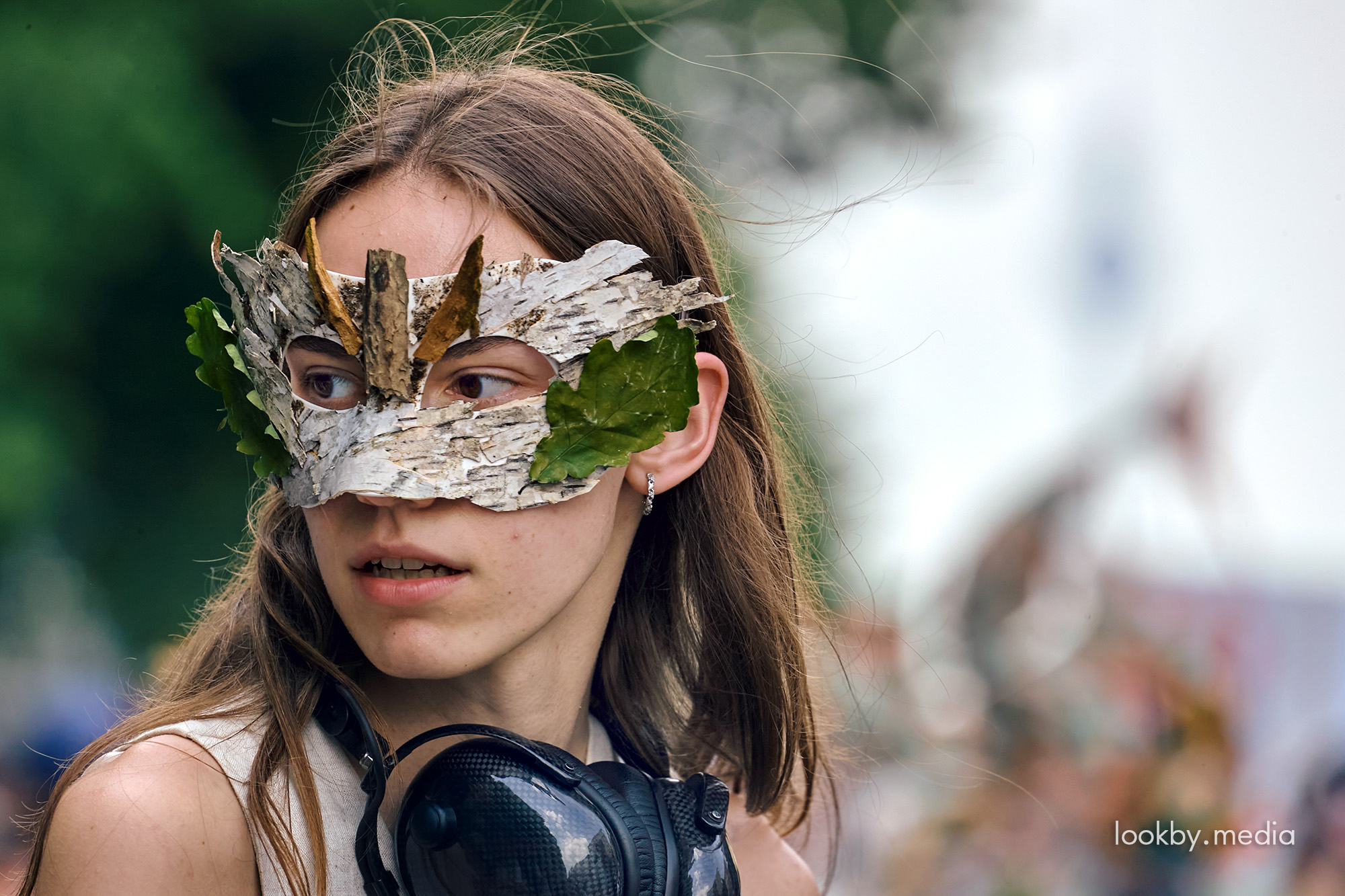
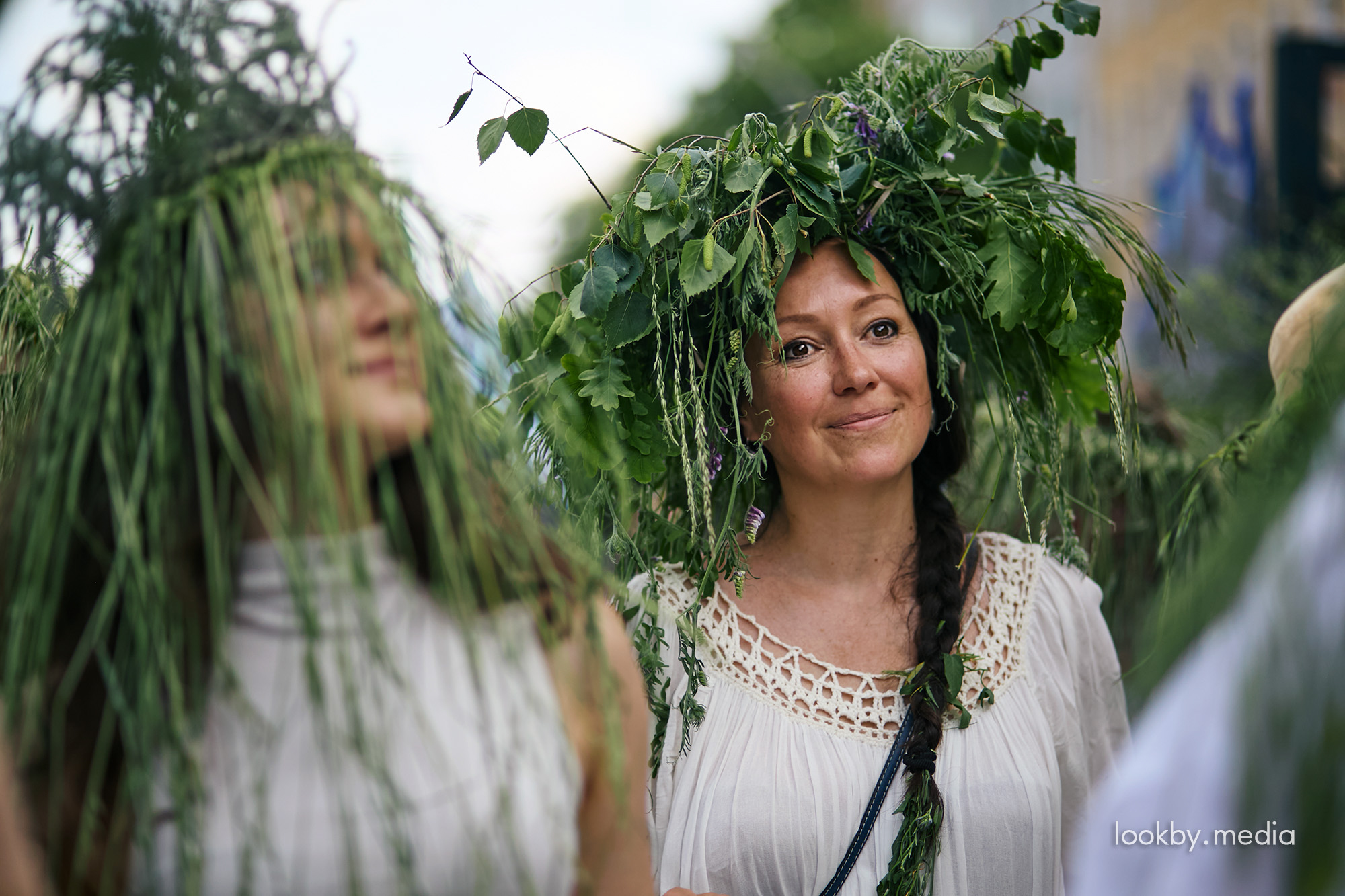
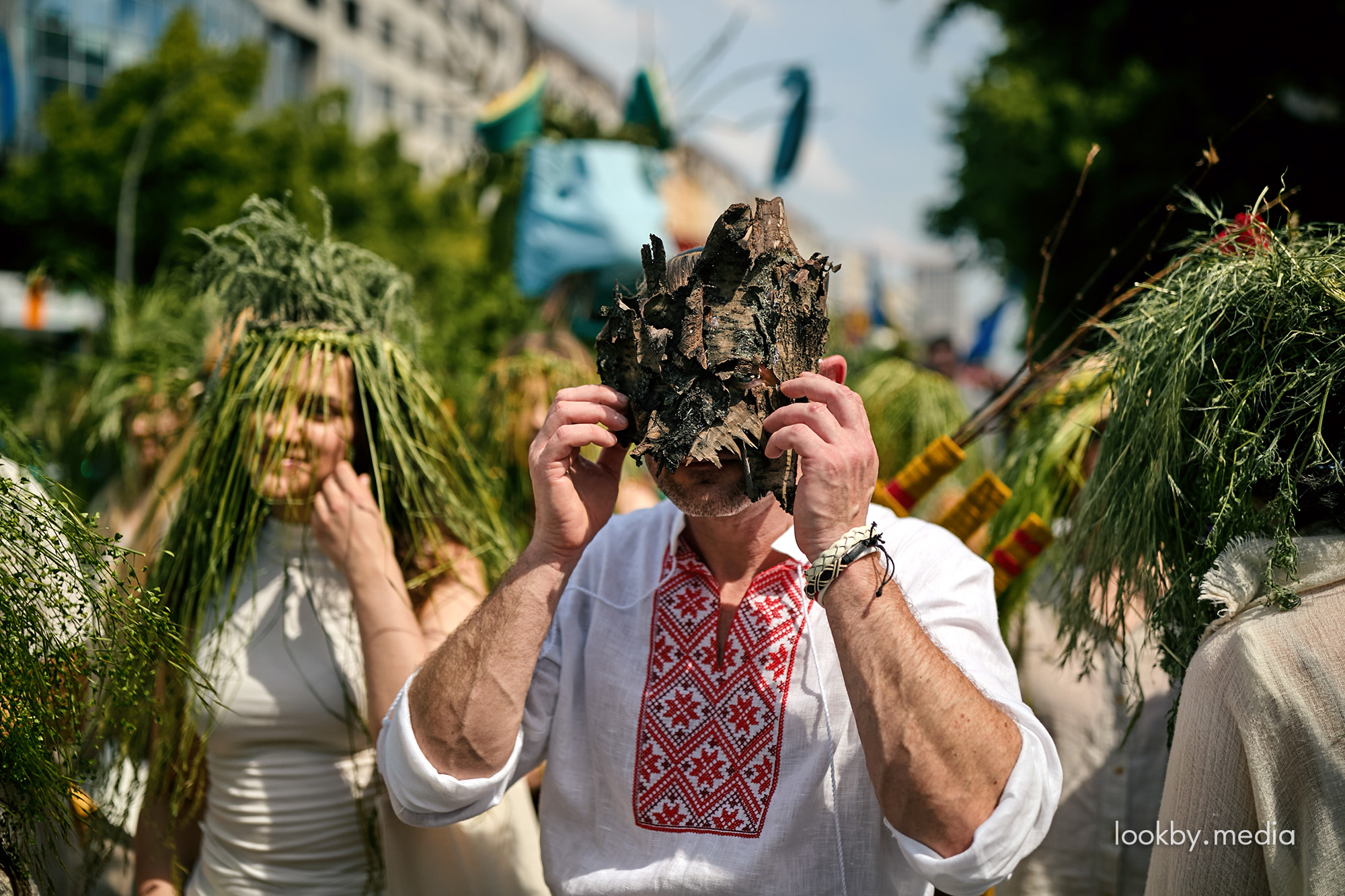
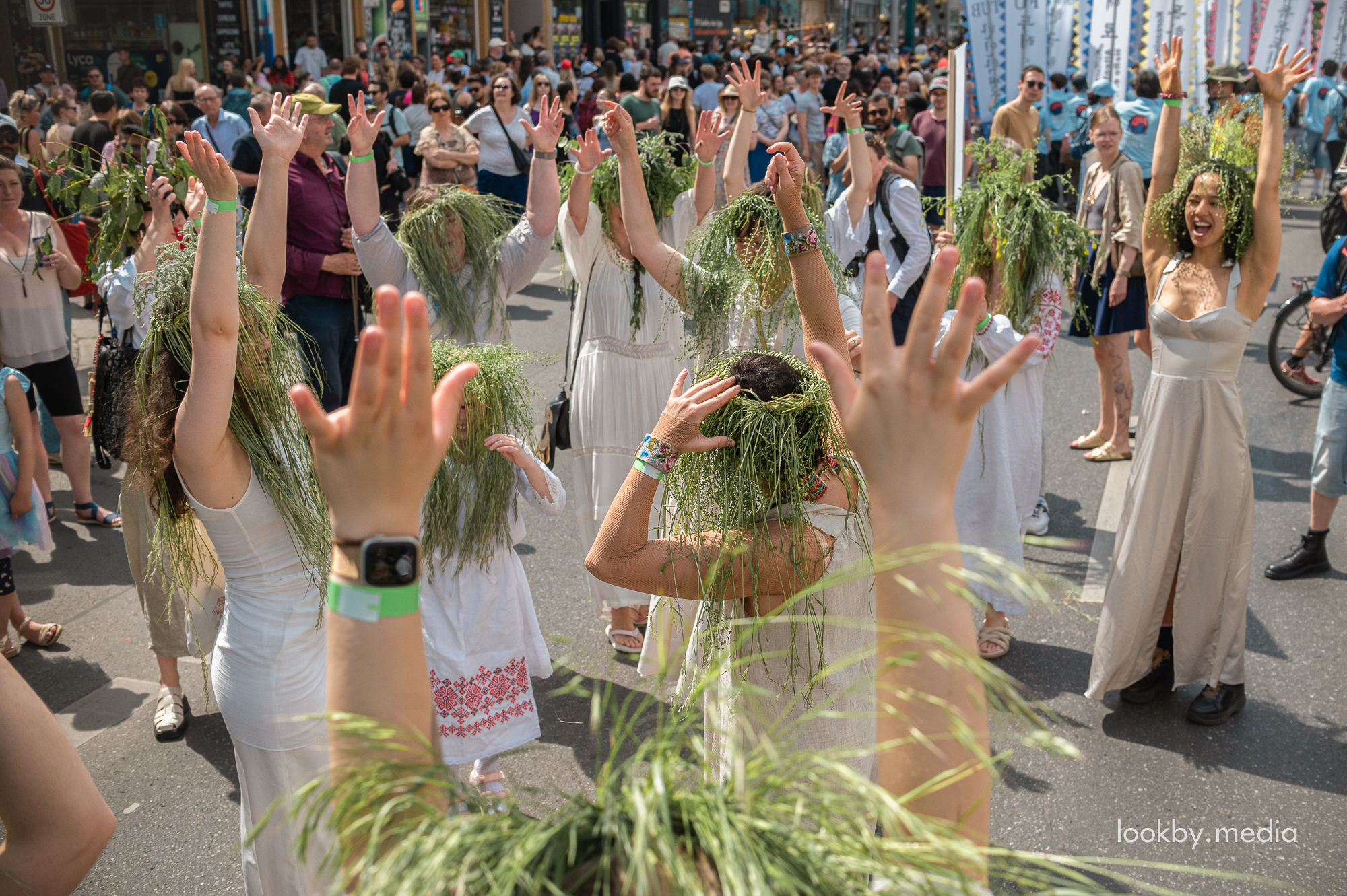
As the carnival dates coincided with the celebration of Siomukha, an important part of the visual code became wreaths made from live plants and handmade masks crafted from natural materials. In Belarusian tradition, Siomukha is associated with honoring ancestors, greenery, birch branches, and wreaths.
The procession was also accompanied by music: Belarusian singer Valeryia Dele was responsible for a cappella singing and the “awakening energy of the voice.” A DJ accompanied the parade as well.
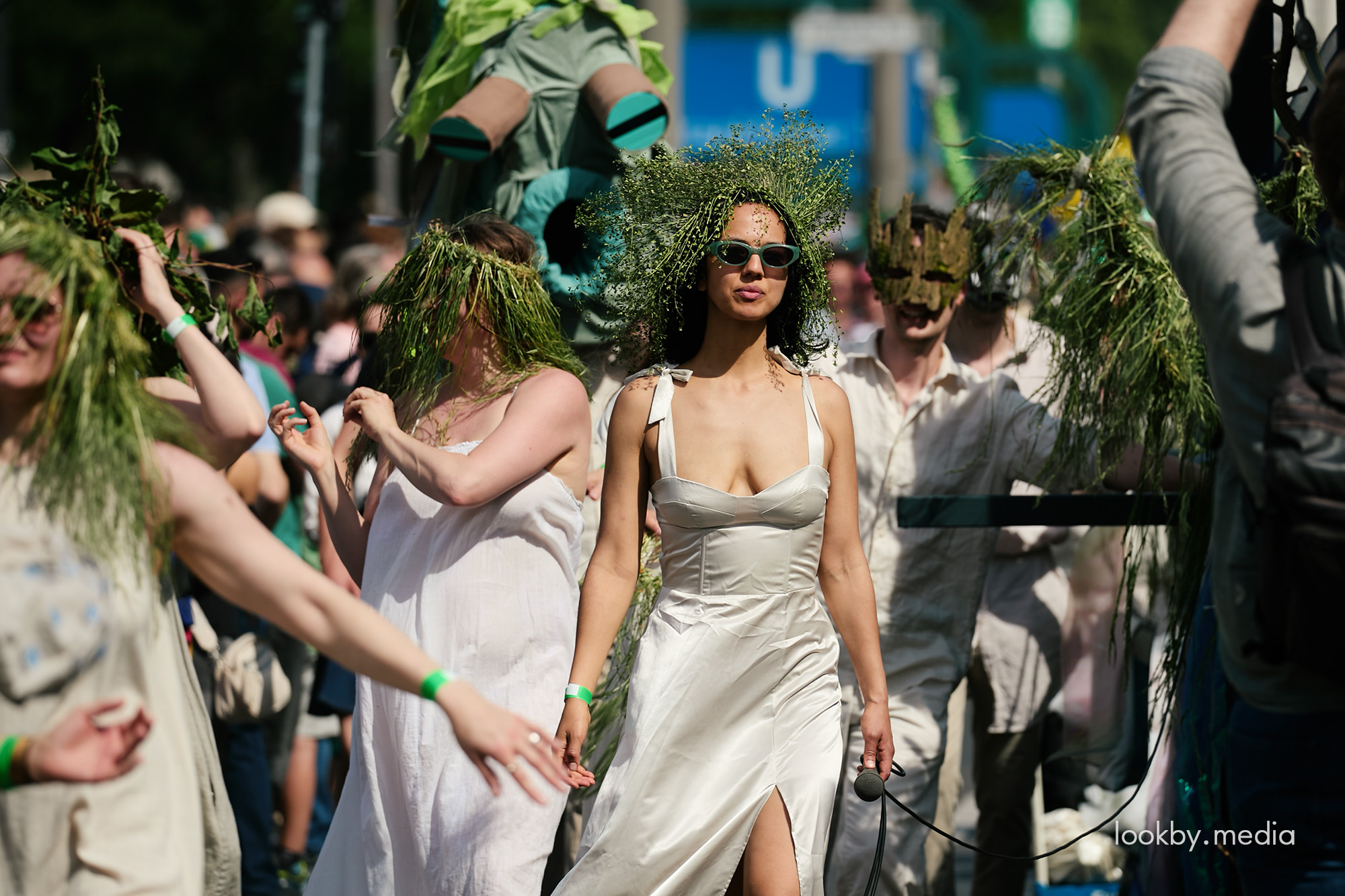
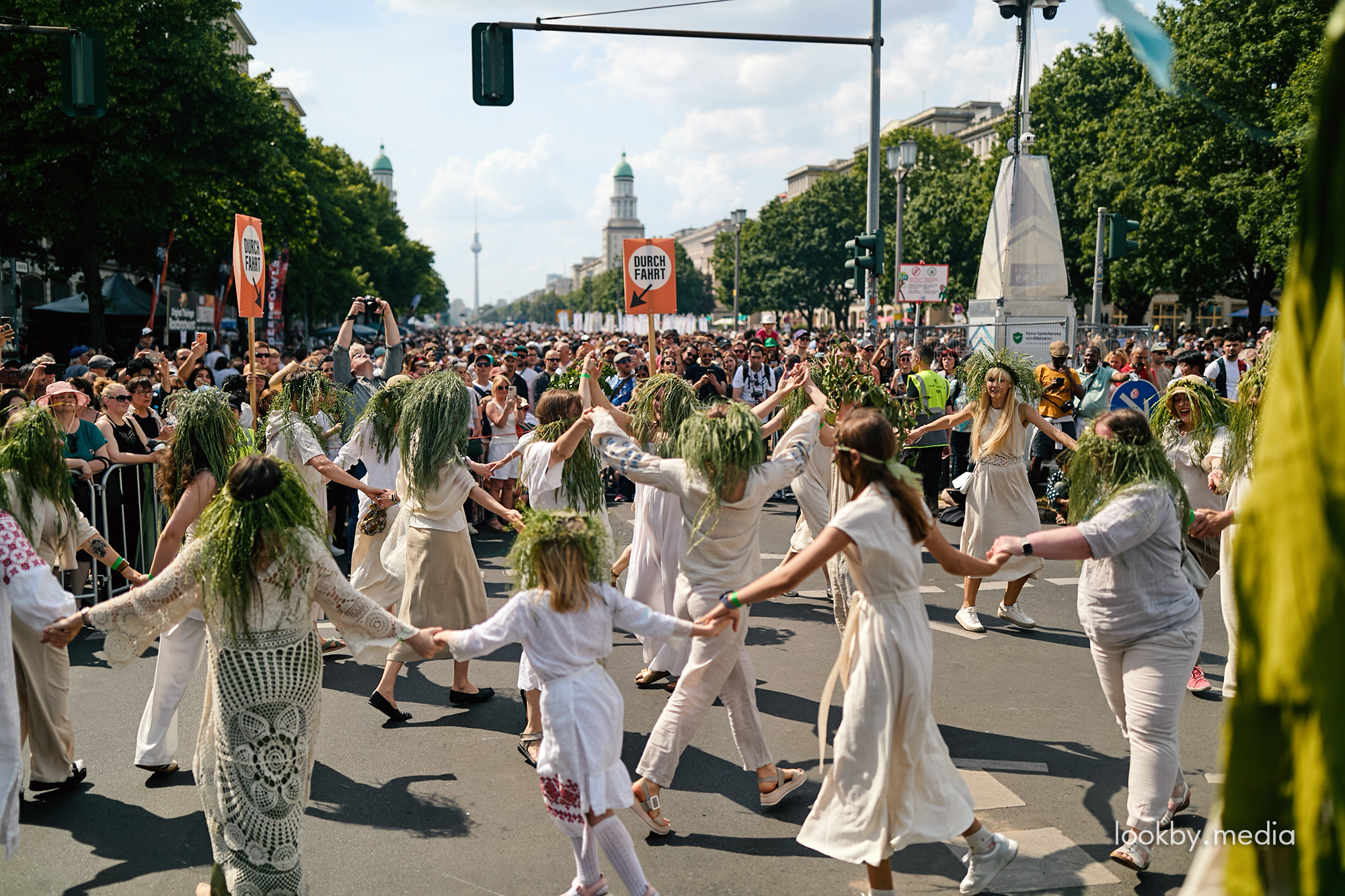
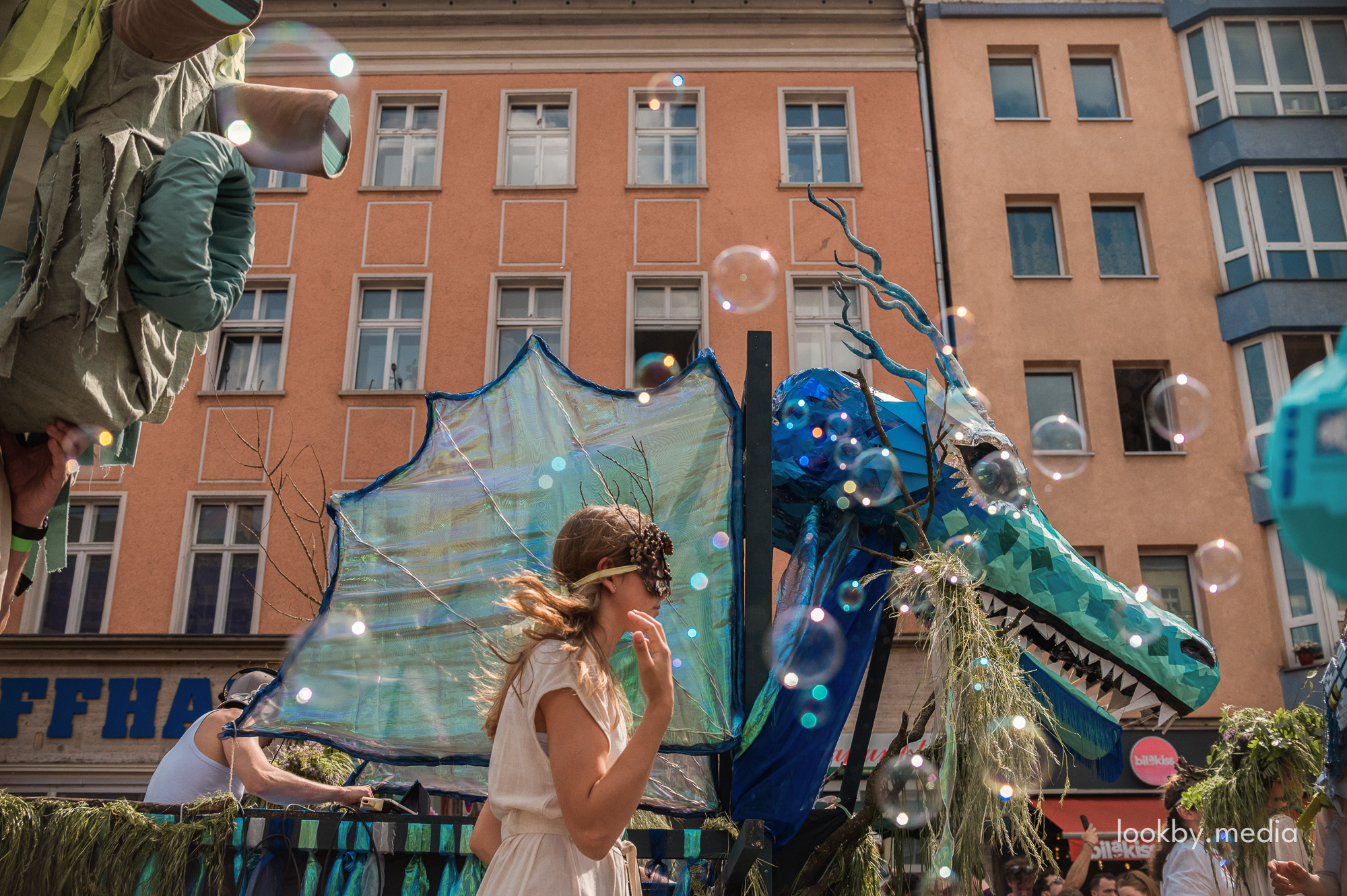
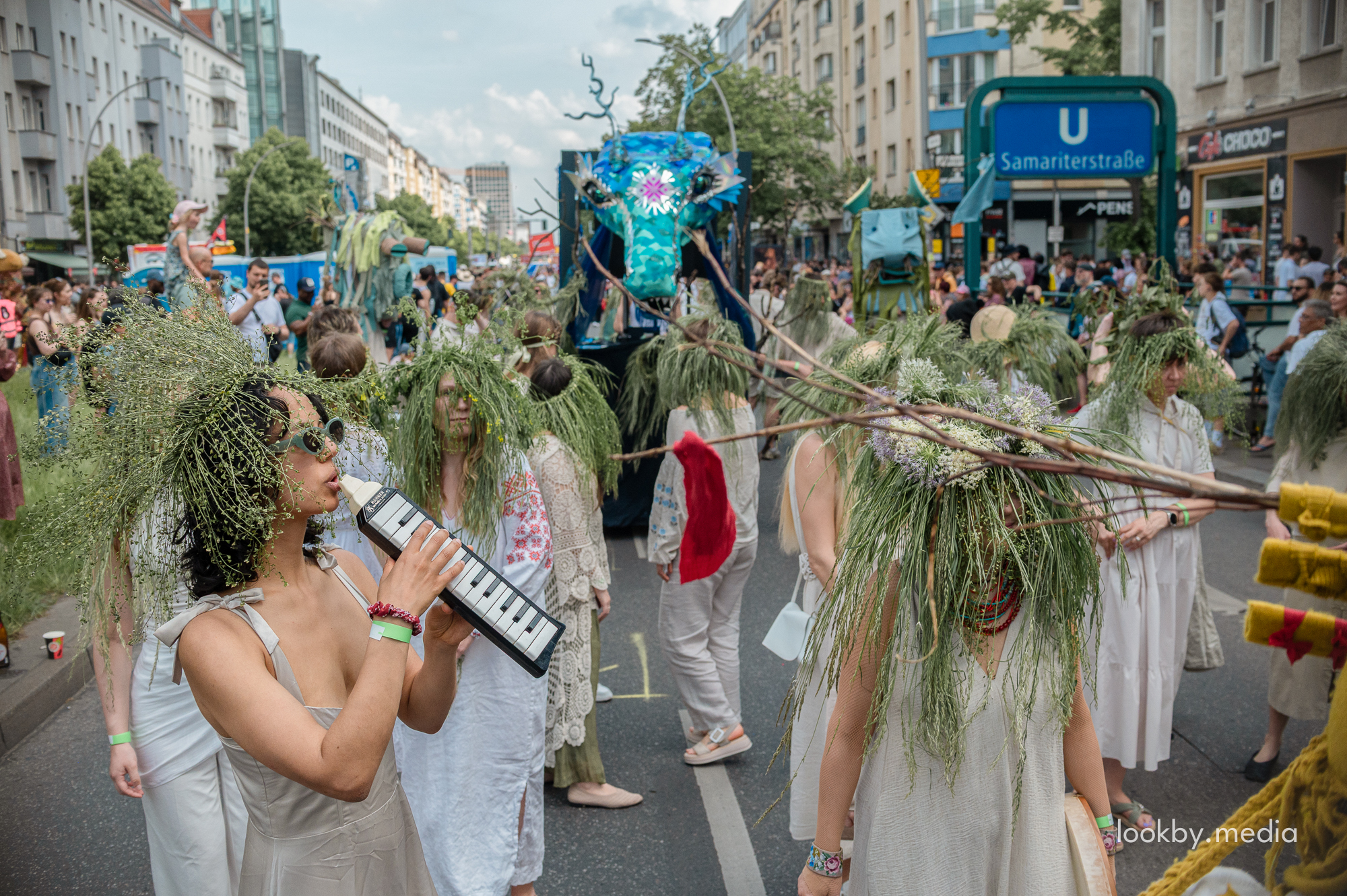
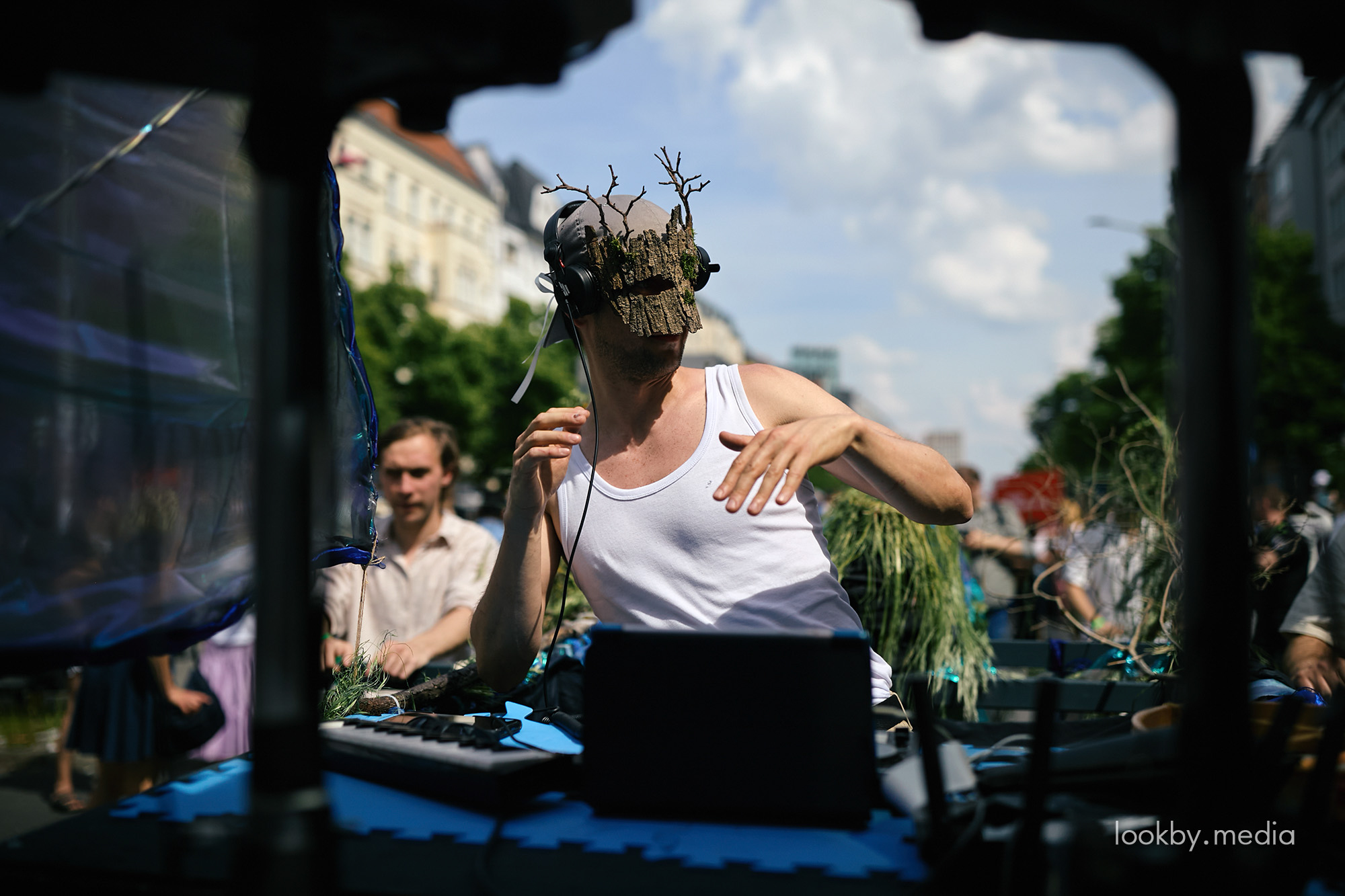
“Culturally, carnival is associated with South America, and everyone is used to feathers and dancing. But ours looks completely different. We have a different energy and different vibes. We diluted the whole celebration a little with ourselves,” Nata Ko noted.
According to the organizers, the main goal of the project is to introduce foreigners — and Belarusians themselves — to Belarusian culture from a non-political, deeply mythological perspective, showing that it can sound modern and authentic even on Europe’s largest stages.
What Is Karneval der Kulturen?
The Carnival of Cultures has been held in Berlin since 1996. It was conceived as a response to rising xenophobia and as a way to demonstrate the openness and cultural diversity of the German capital.
This year, the festival runs from May 22 to 25 in the multicultural district of Kreuzberg. The culmination is traditionally the Sunday street parade, where various communities and art groups present their cultures.
The parade annually attracts between half a million and one million spectators, making the Berlin carnival one of the largest public events in Europe.
Subscribe to Reform.news cultural news on Telegram