Starting Aug. 28, Lithuanian cinemas will screen “The Swan Song of Fedor Ozerov” (Teodoro Ozieravo gulbės giesmė), the debut feature film by independent Belarusian director Yury Siamashka (Yuri Semashko).

The film’s release on the big screen was made possible by Lithuanian production company and film distributor Artbox, headed by producer Kęstutis Drazdauskas. The company not only took on distribution but also became a co-producer, investing in post-production and helping organize the international premiere at the Berlin International Film Festival, where the film won the audience award.
According to the distributors, from Aug. 28 the film will appear in the schedules of major cinemas across the country, both at leading arthouse venues such as Vilnius’ “Skalvija” and “Pasaka” and at major cinema chains in Vilnius, Kaunas and Klaipėda.
The fact that a film by an author from Belarus has entered the Lithuanian theatrical market is the result of major efforts and good fortune on the part of the film’s producers.
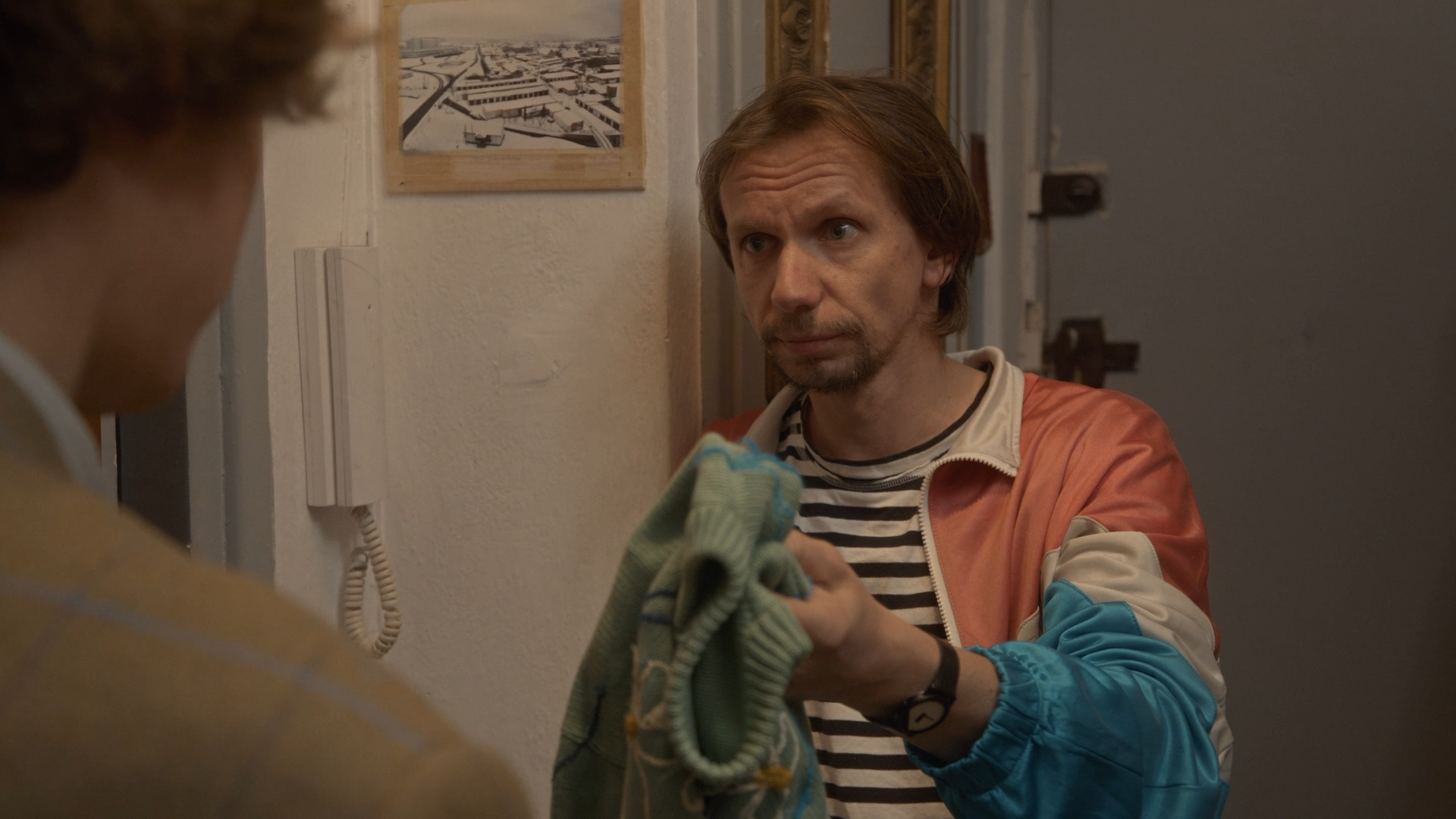
Who Created the Film?
The film was created through the Belarus Filmmakers Network project, headed by producer Leonid Kalitenya — the Microbudget Film Incubator. Yury Siamashka’s screenplay won the first edition of the project, where it caught the attention of Kęstutis Drazdauskas, who invited German producers to join the co-production. During a pitching session at the Kotbus Festival, the Belarusian director’s film attracted attention and eventually made it to the 2025 Berlin International Film Festival, where it was shown in the “Forum” section.
The film was later screened at other festival venues in South Korea, Poland and Spain,
Artbox describes the Belarusian film as follows:
“‘The Swan Song of Fedor Ozerov’ is an absurdist drama with subtle humor about creative freedom under threat from a global catastrophe.”
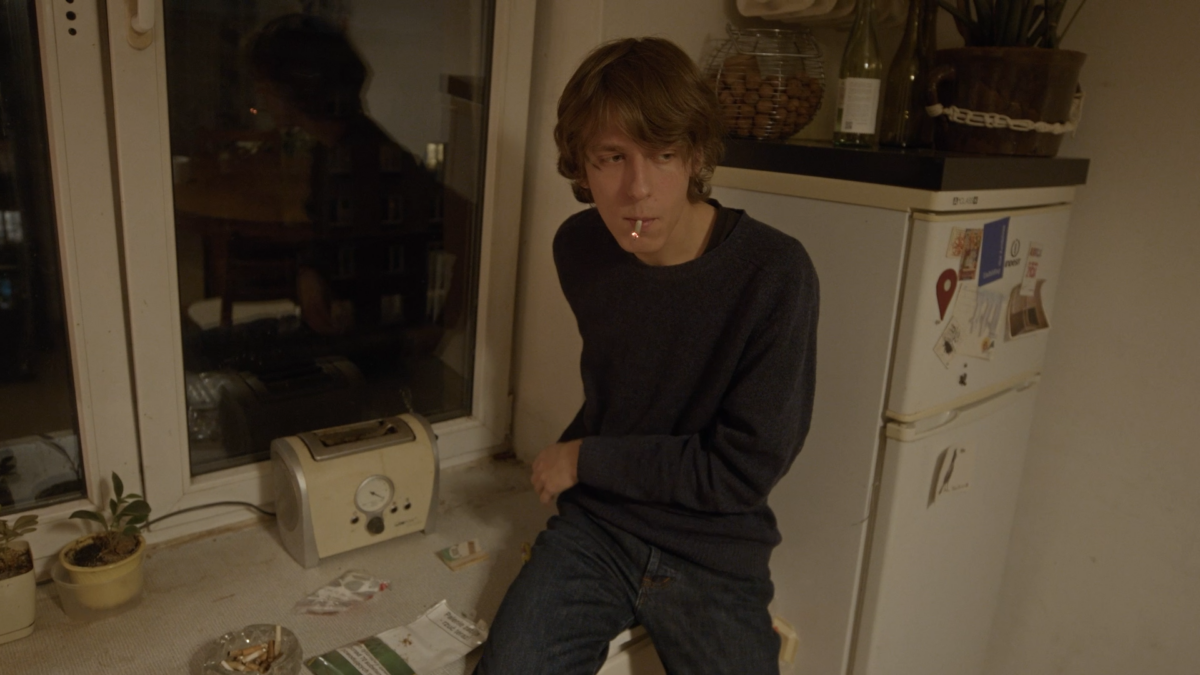
“The protagonist is a young musician trying to find his lost inspiration (and his ‘inspiring sweater’) at a moment when the world is on the brink of World War III. Although no specific place names or country are mentioned on screen, viewers immediately recognize a familiar context — an atmosphere of totalitarian pressure, anxiety and collective madness.”
Despite the seriousness of the subject, the creators have managed to make a universal comedy. At premiere screenings, audiences reacted equally enthusiastically to the humor, regardless of where the film was shown — in Berlin or South Korea.
What Made an Impression?
Yury Siamashka is a Belarusian director and screenwriter, the author of animated and live-action films “How I Was a General,” “Blood and Karaoke,” “Garbage Head” and others. His distinctive style and humor once won over Belarusian audiences and have now caught the attention of an international team.
Lithuanian producer Kęstutis Drazdauskas explains why he decided to support Yury’s project.
“When I talk to Belarusians who have left their country, I feel a strange sensation that takes me back to 1988-1992. Their eyes are burning, they believe in their freedom and independence. They know very well which side of the barricades they are on, what is good and what is bad, and their main goal is to have freedom of expression,” the specialist says.
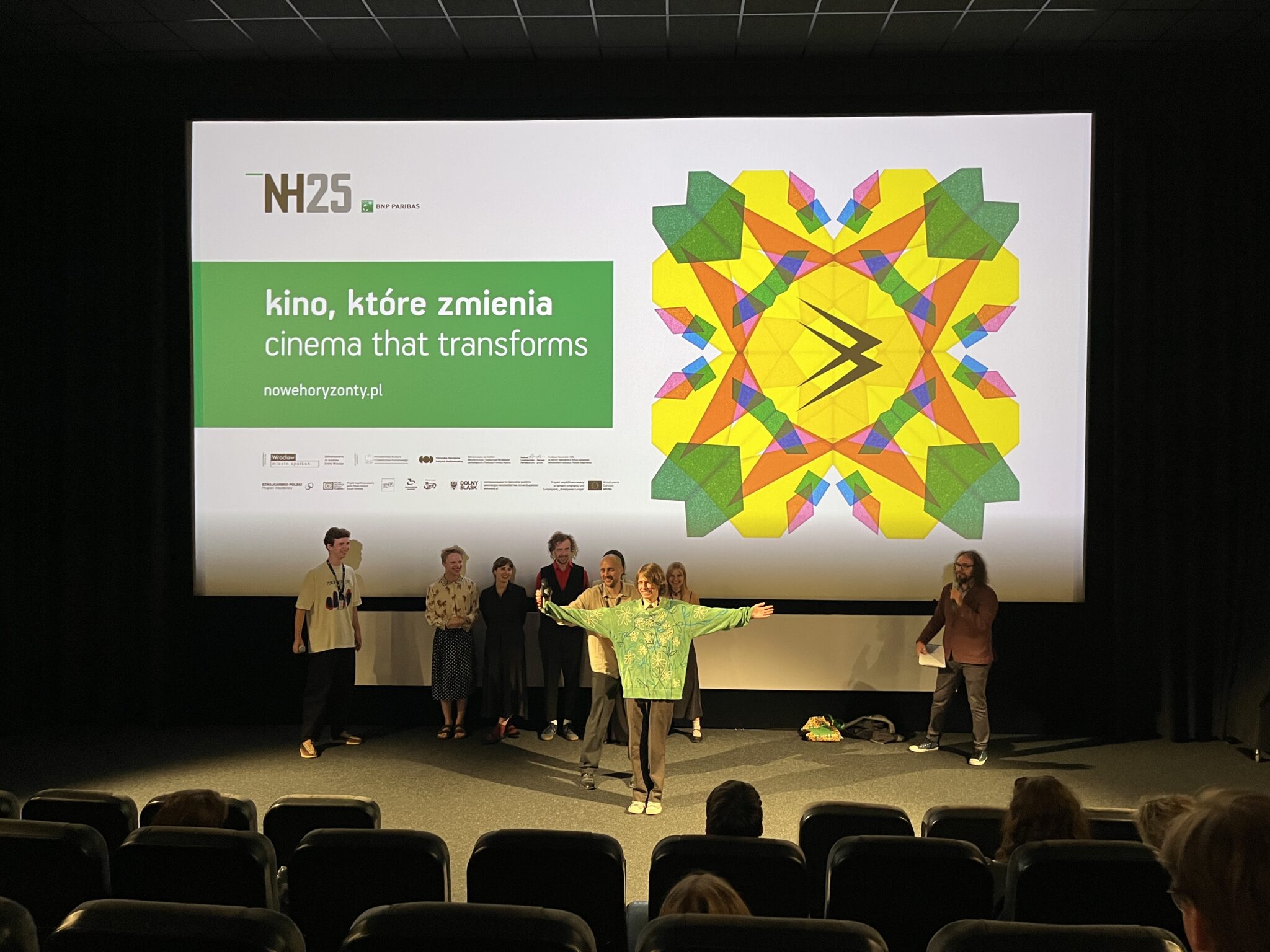
He also adds that the forced limitations on resources gave the film a special charm:
“These people are so eager to create that, in extremely modest conditions, virtually out of nothing, they are able to create a statement that captivates international audiences. Even limited resources make the film exceptional. It is like music — it is so ‘raw,’ unpolished, but there is so much soul and sincerity in it!”
The film’s cast included: Viachaslau Kmit, Pavel Gorodnitskiy, Mikhail Zui, Violetta Rahachova, Anastasiya Rysik, Aliaksei Liubchanka. The film’s cinematographer is Siarhei Kavaliou.
The film was shot in Warsaw.