“So, shall we meet again at Tutaka next year?” a friend asks before we say goodbye. “Of course,” I reply. On the way to the bus, a car pulls over beside us, and another festival-goer offers us a lift to Białystok. “I can see you’re coming from the festival. Why not help?”
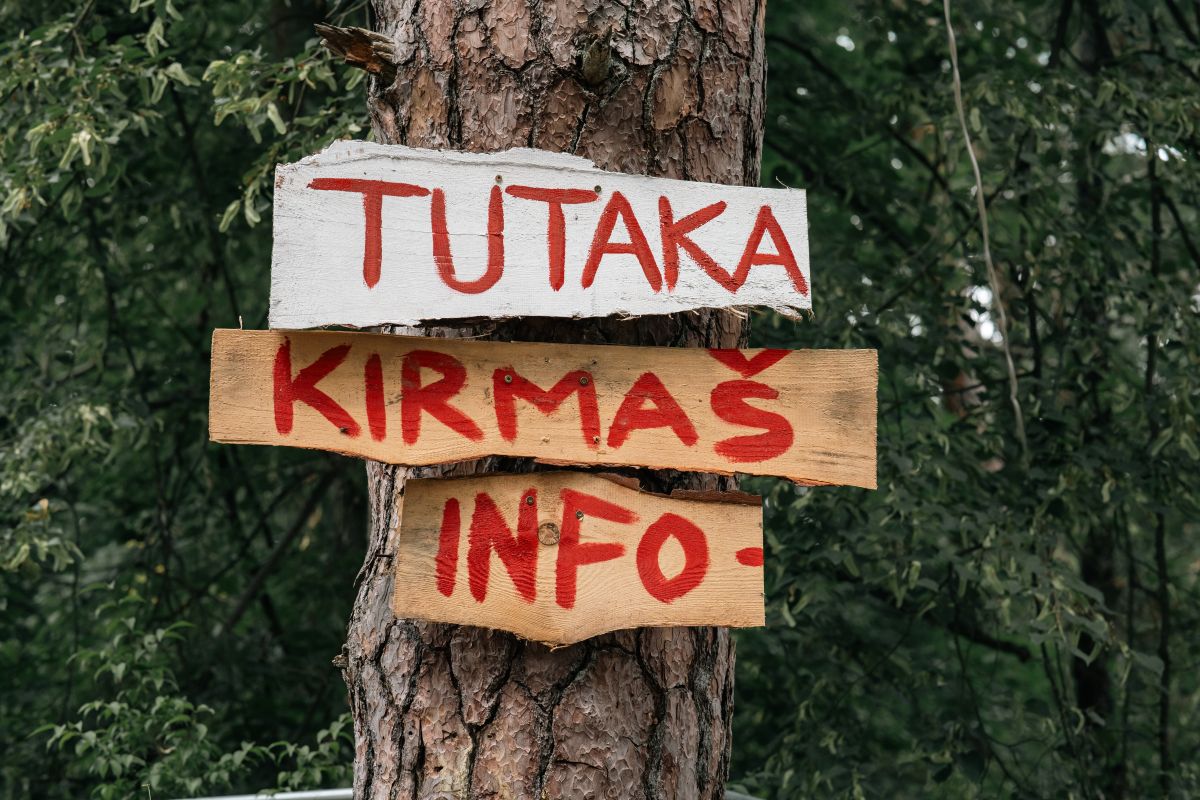
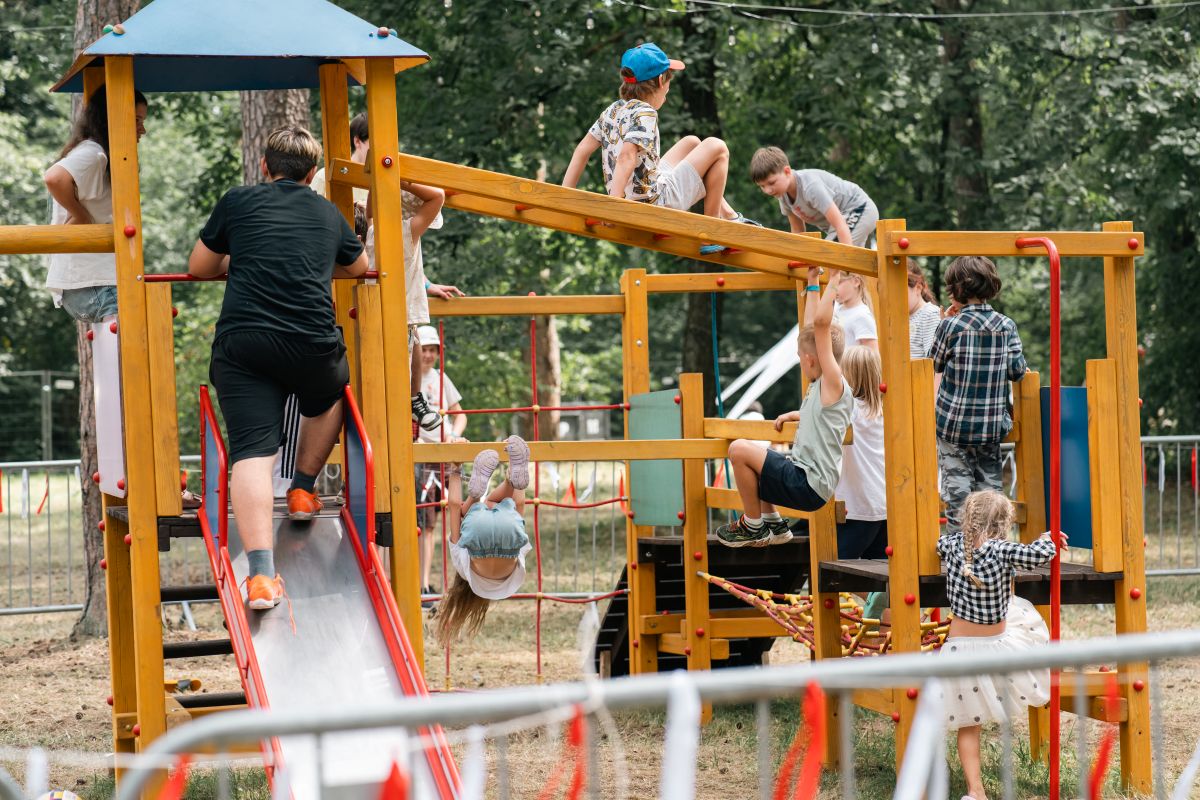
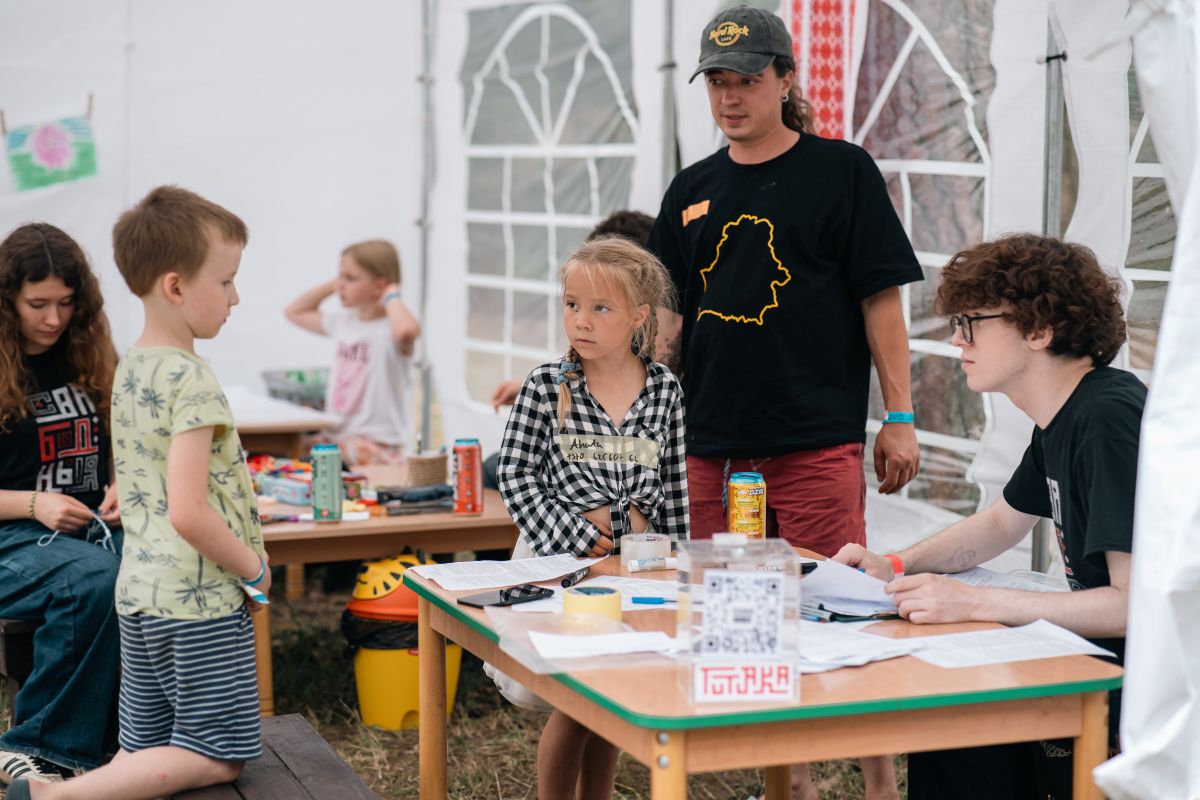
For three days, the Tutaka Belarusian culture festival filled the Baryk woodland, on the Polish-Belarusian border, with life. If there is still a free, creative and welcoming space for Belarusians, it remains there.
This year, around 1,000 people attended the event, significantly fewer than in previous years. In a sense, the festival is undergoing a reboot: while retaining its format as a music festival, it is also trying to reflect everything happening in Belarusian independent culture.
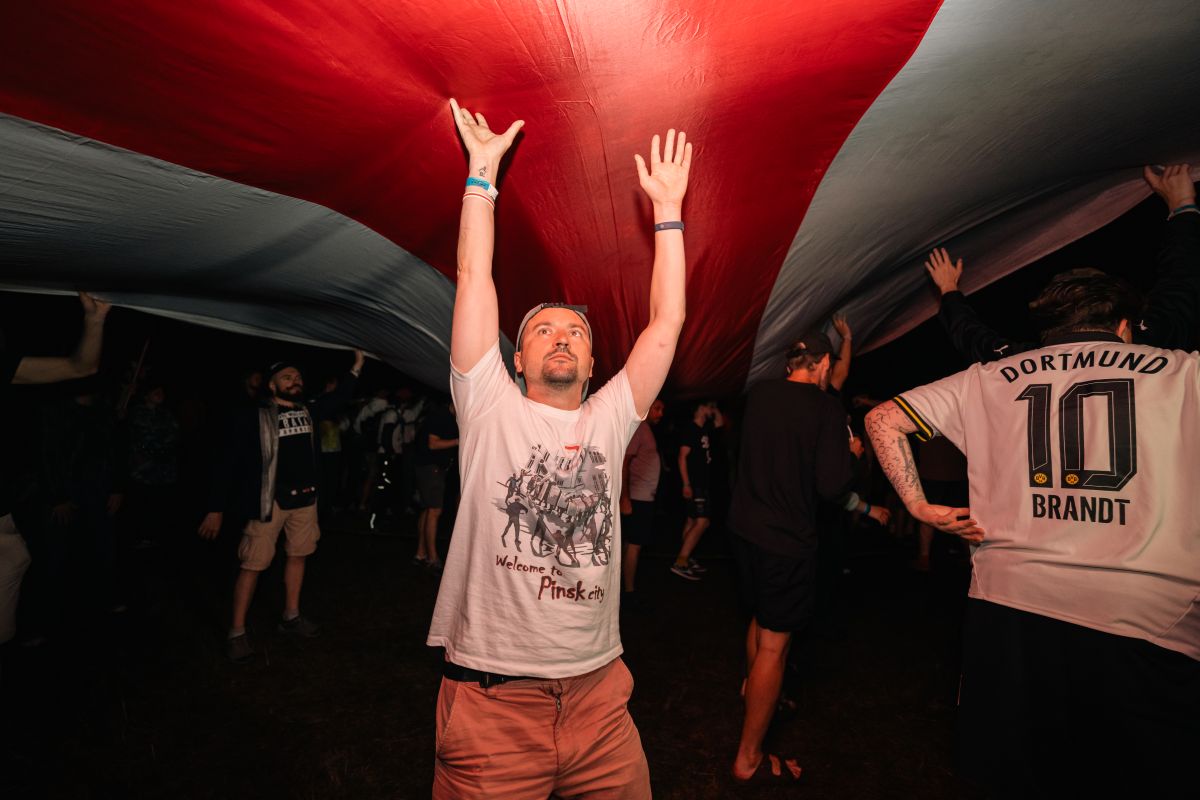
A Festival of Encounters
The organisers’ main innovation this year — the introduction of admission tickets by the Tutaka Foundation — was widely discussed. But let us begin not with ticket prices, but with what Tutaka primarily is: a festival of encounters.
Each time I come here, I find it impossible not to be captivated by Podlasie, by its landscapes that feel “just like Belarus”, and by the sense of “almost coming home.”
“I’ve already grown used to the landscapes of Montenegro, where I live now, but I arrived here and it feels like Belarus,” an artist I know says. “It genuinely moved me.”
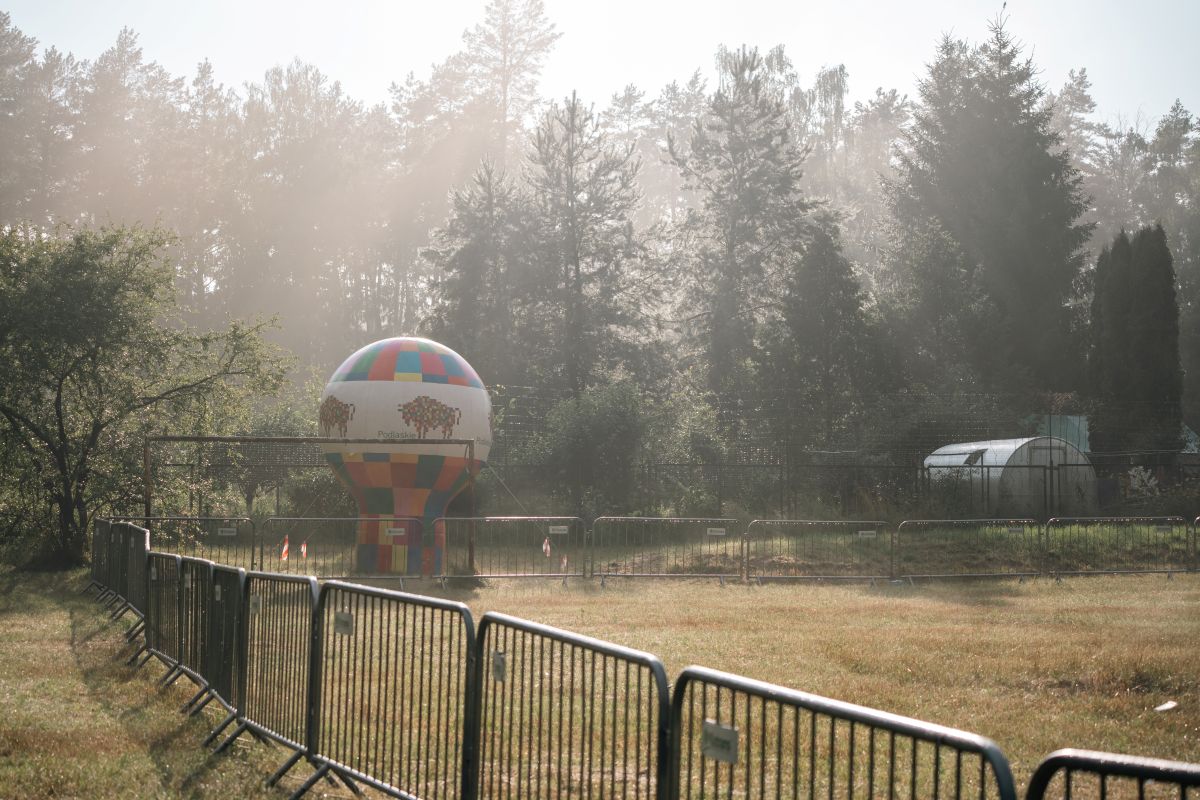
“Well then, shall we go for a swim? Belarus is only a few dozen kilometres away,” another visitor jokes.
The pine forest and beautiful scenery create a unique atmosphere, strengthened by countless encounters — both organised and, my favourite, spontaneous ones.
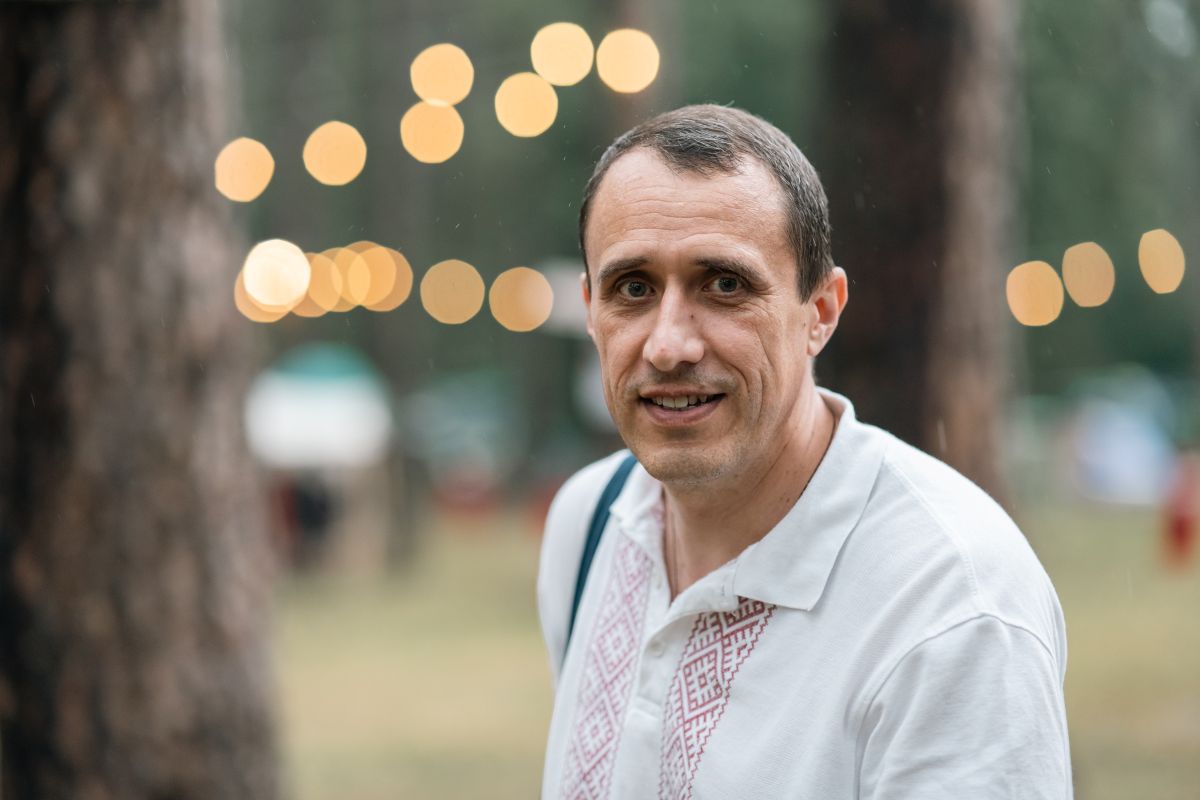
Heading out for a swim and meeting Pavel Sieviaryniec on the way back from a service at the local Orthodox church. “Three priests, and all of them speak Belarusian. The entire parish speaks Belarusian,” the politician says enthusiastically.
Attending a screening of Mara Tamkovich‘s film Under the Grey Sky, inspired by the story of Ihar Ilyash and Katsyaryna Andreeva, then meeting the Belsat journalist’s lawyer during the post-screening discussion — attending the festival for the first time from Germany, where he now lives.
Swimming in the lake in the rain and striking up a conversation with two strangers, only to discover that one of them is the brother of singer Vinsent.
Meeting film director Aliaksei Paluyan at the campsite, who has travelled from Germany to attend Tutaka year after year. “This festival is my place of strength,” the filmmaker says with a smile, adding that he is looking for filming locations in Poland, among other places, for his feature film Heritage, about the events of 2020.
“This tradition goes back to Basovišča,” recalls a veteran of the legendary festival that preceded Tutaka. “People would come, pitch their tents, light campfires, and sometimes never even make it to the stage because they kept running into one acquaintance after another.”

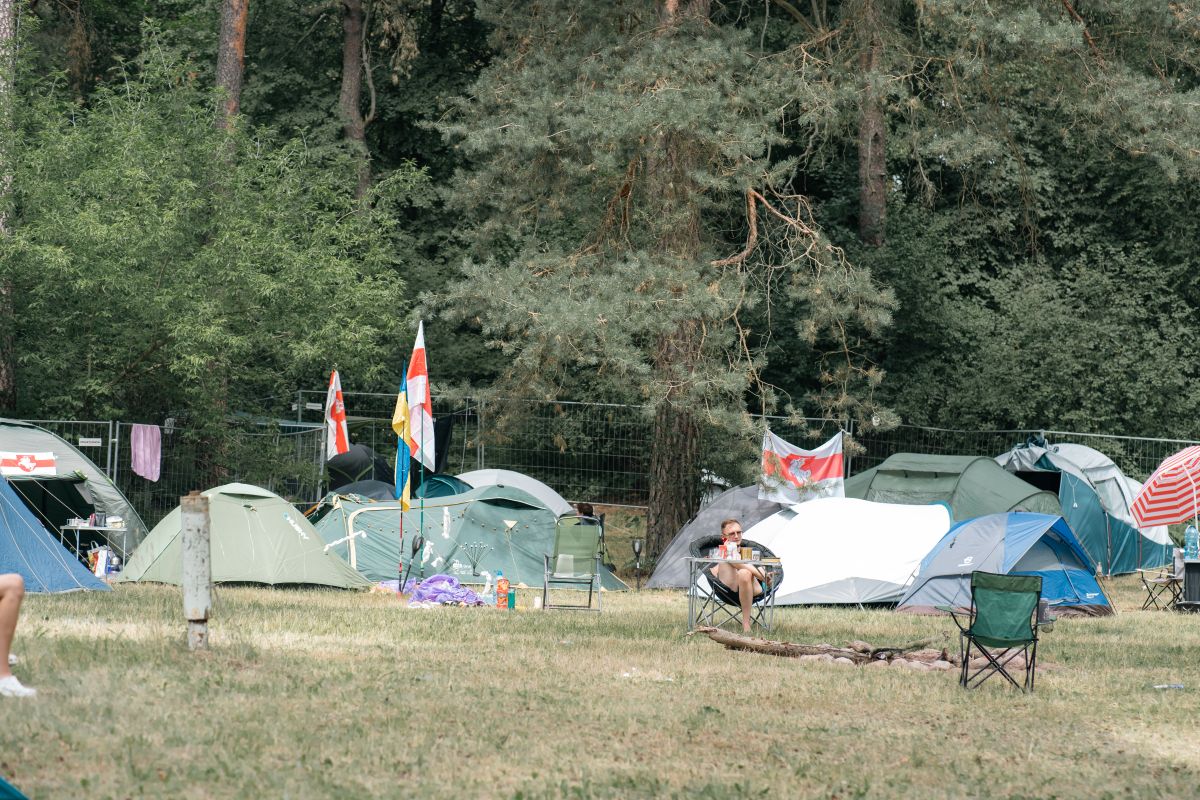
The history of the place has now become intertwined with the history of 2020, when you can strike up a conversation with a random festival-goer about the fate of Belarusians forced into exile. It is a connection between people who understand each other in many ways. I still remember Pasha from Pinsk’s extraordinary account of the confrontation between local residents and the police in 2020, and Hanna’s story of how she began travelling to Podlasie after life in exile became almost unbearable. Those stories are impossible to forget.
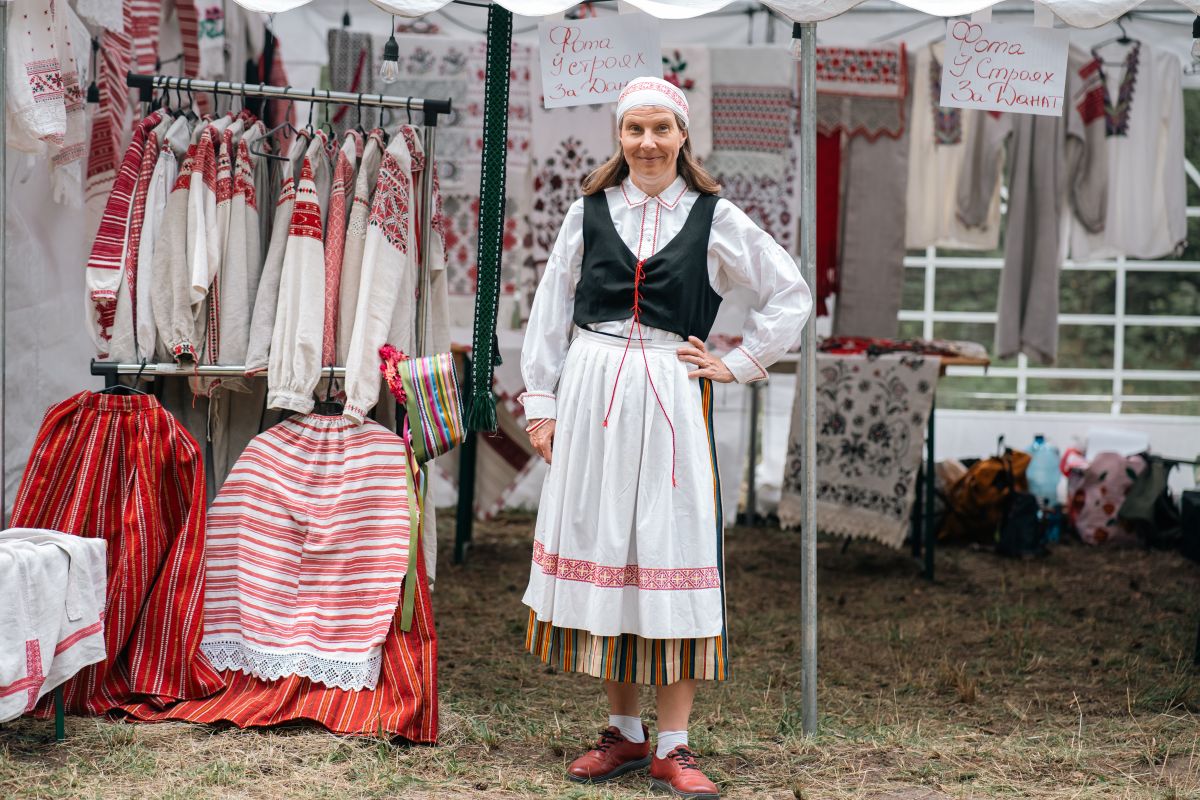
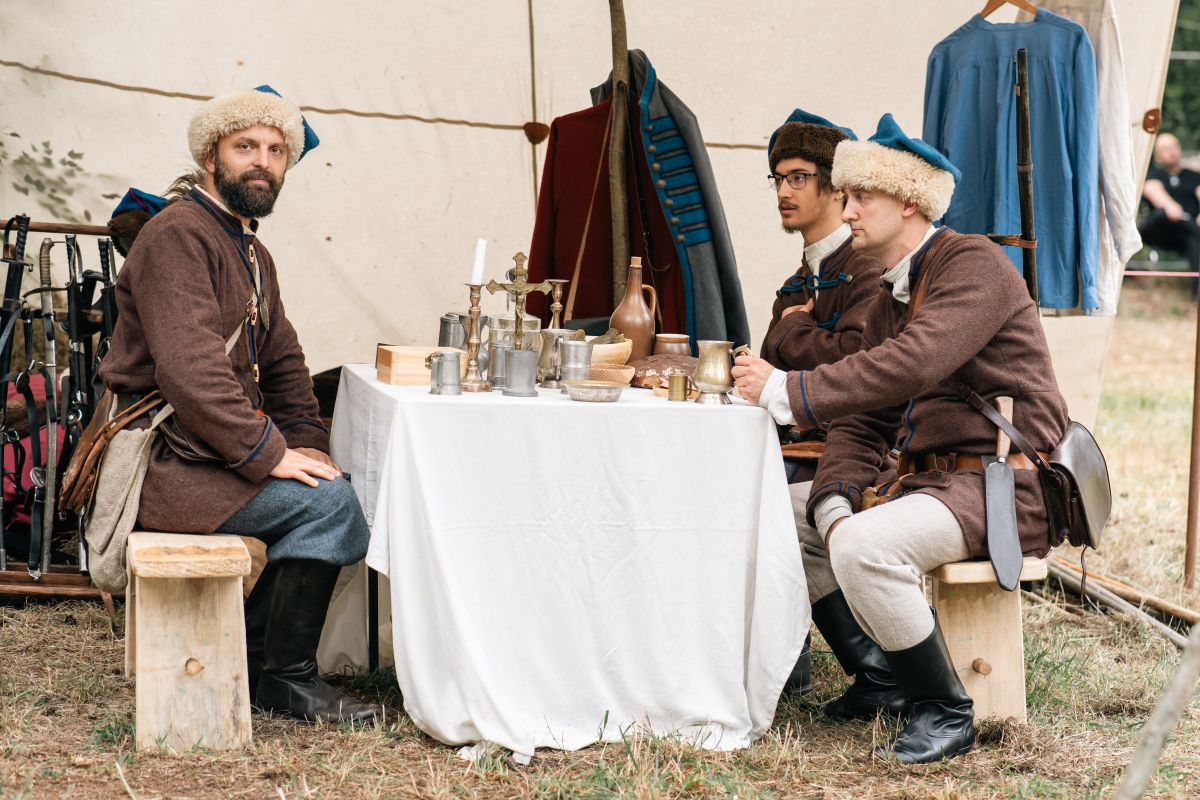
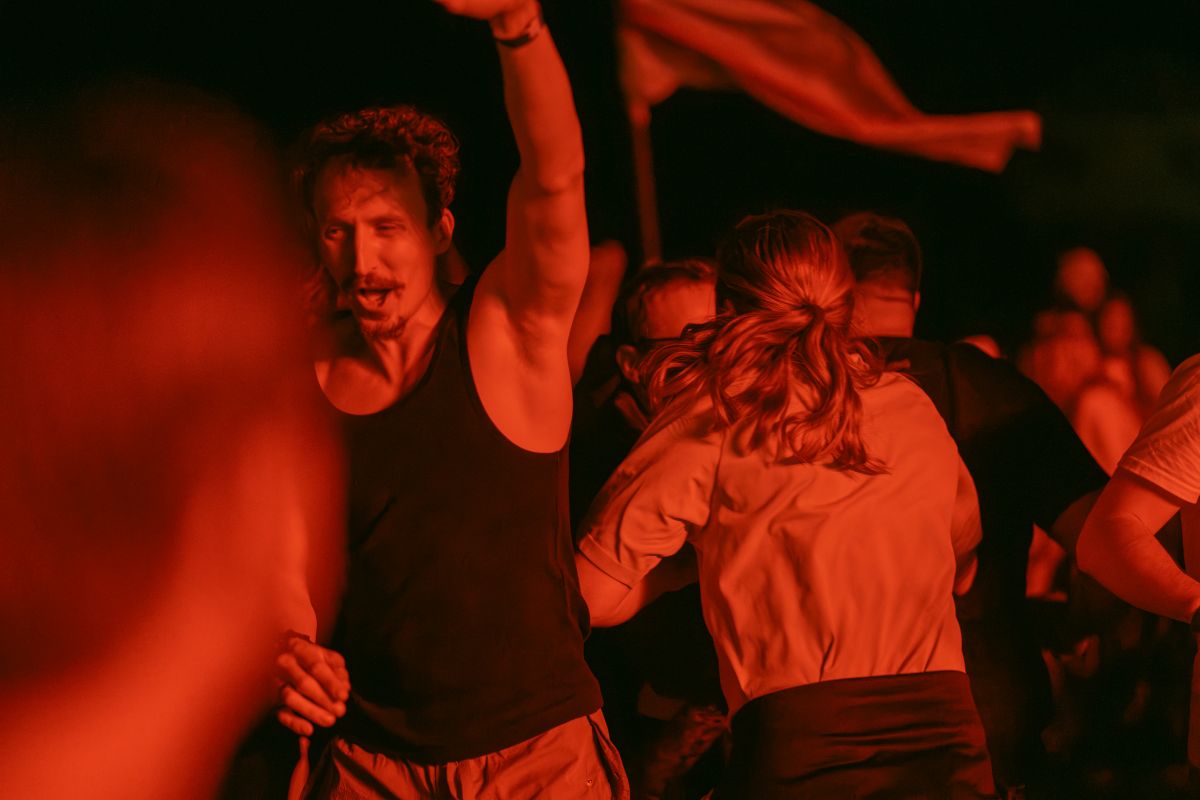
Tutaka is a place where you need to stay for a while, slow down and spend time with people. Dance the polka to dubstep alongside Podlasie locals at the evening disco. Experiencing Tutaka for a single event and experiencing it over three days and nights are two completely different rhythms and vibes.
Competing With the Entire World
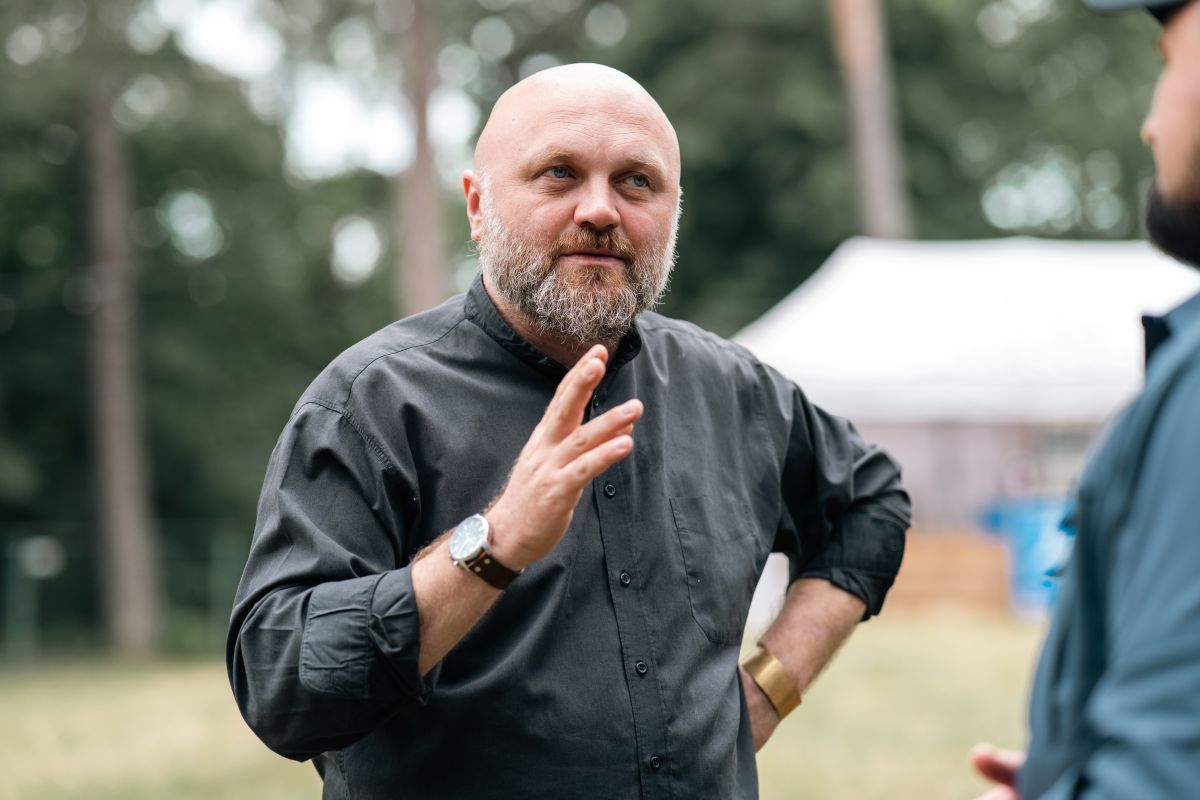
Pavel Stankevich, head of the Tutaka Foundation, admitted that putting together the festival’s music programme is quite a challenge. Every year, the organisers hold a public vote before the festival, with the winning band earning a place on the Tutaka stage. But, Mr Stankevich lamented, people invariably vote for performers they already know.

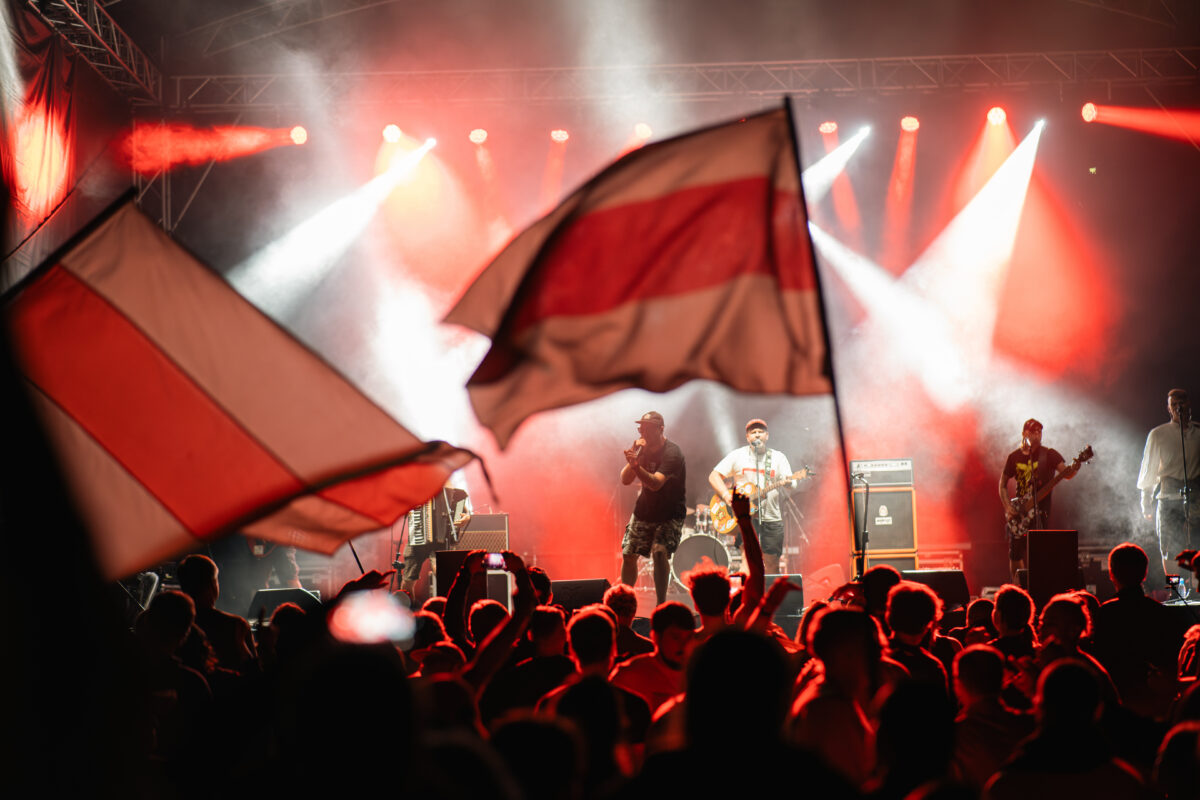
This year, aside from the admission tickets already mentioned, the festival’s music programme generated the most discussion. Many people said they would have come if the headliners had been different. As it was, they felt the performers were not quite right, not at the right time, and that it was too expensive. Yet, as the line-up showed, the Tutaka team deliberately sought to introduce audiences to more than just well-known rock acts. The programme featured emerging female artists Anastasia Rydleuskaya and Chornabrova, Haradok rock heroes RIMA, the up-and-coming BIZZARE OBJECTS, cult favourites Razbitaye Siertsa Patsana, and a comeback performance by VINSENT.
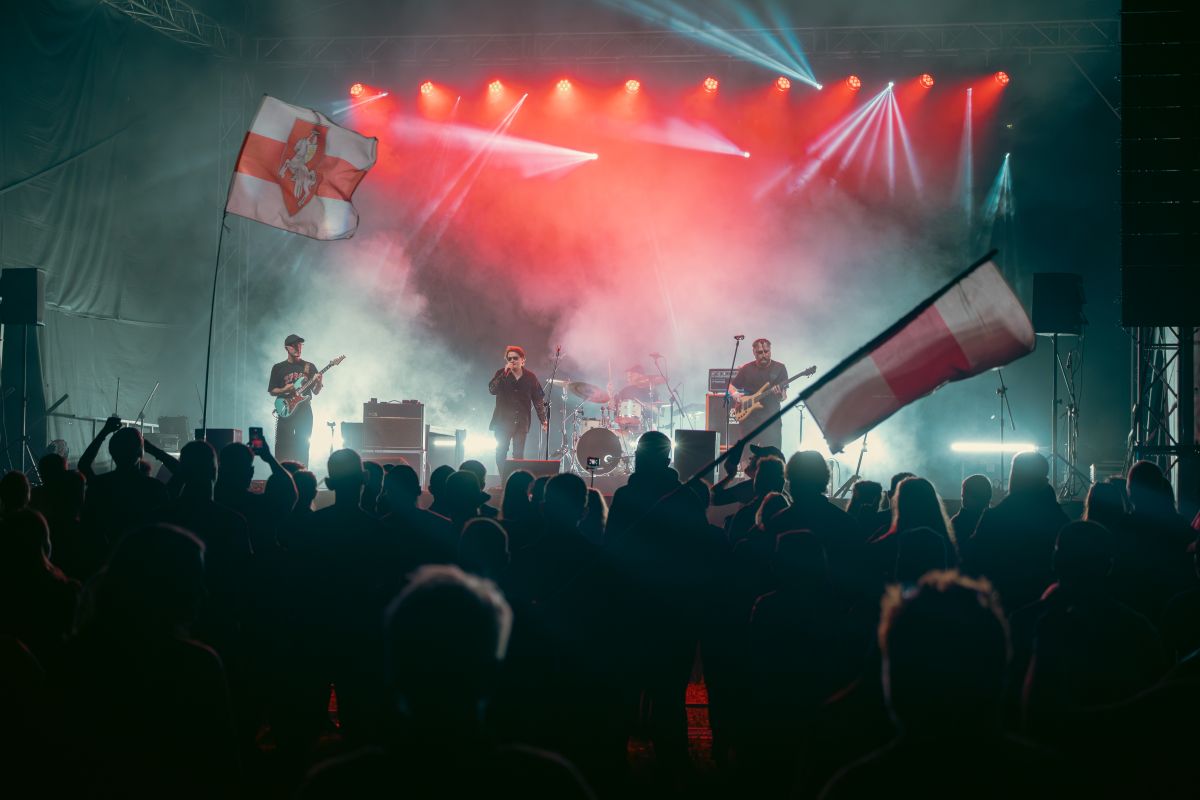
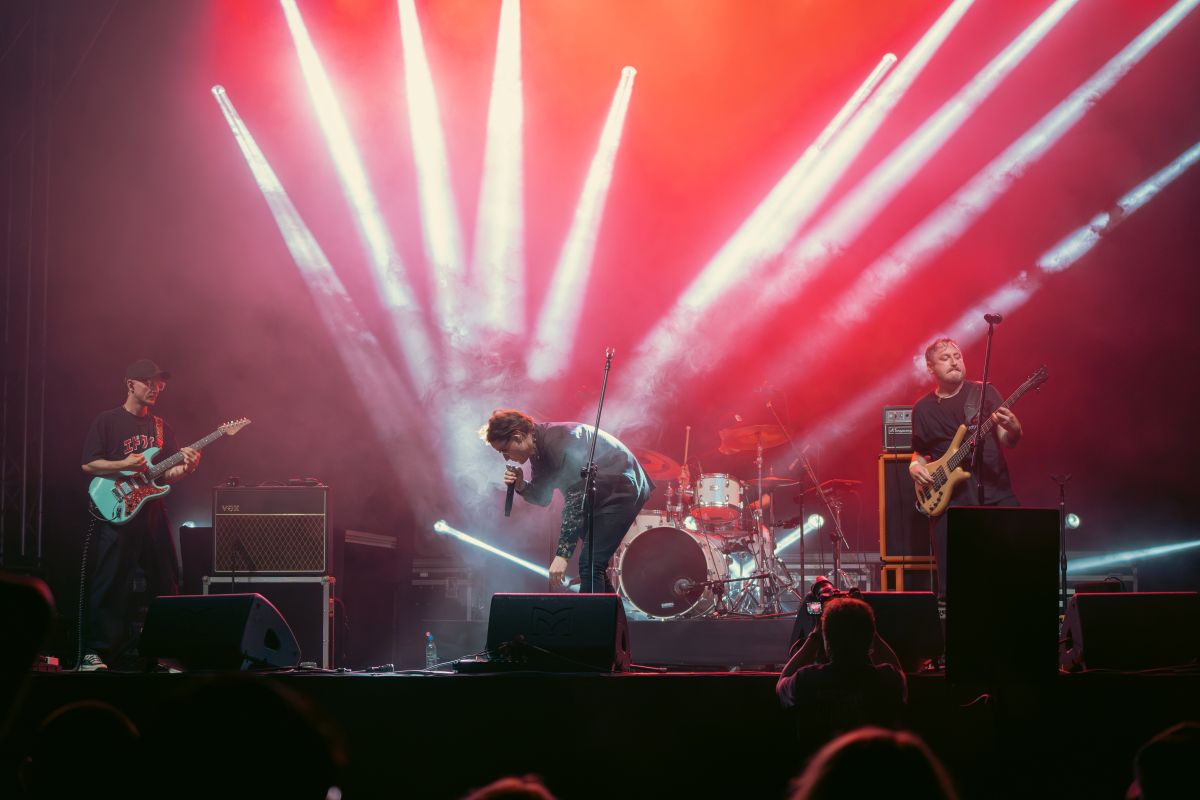
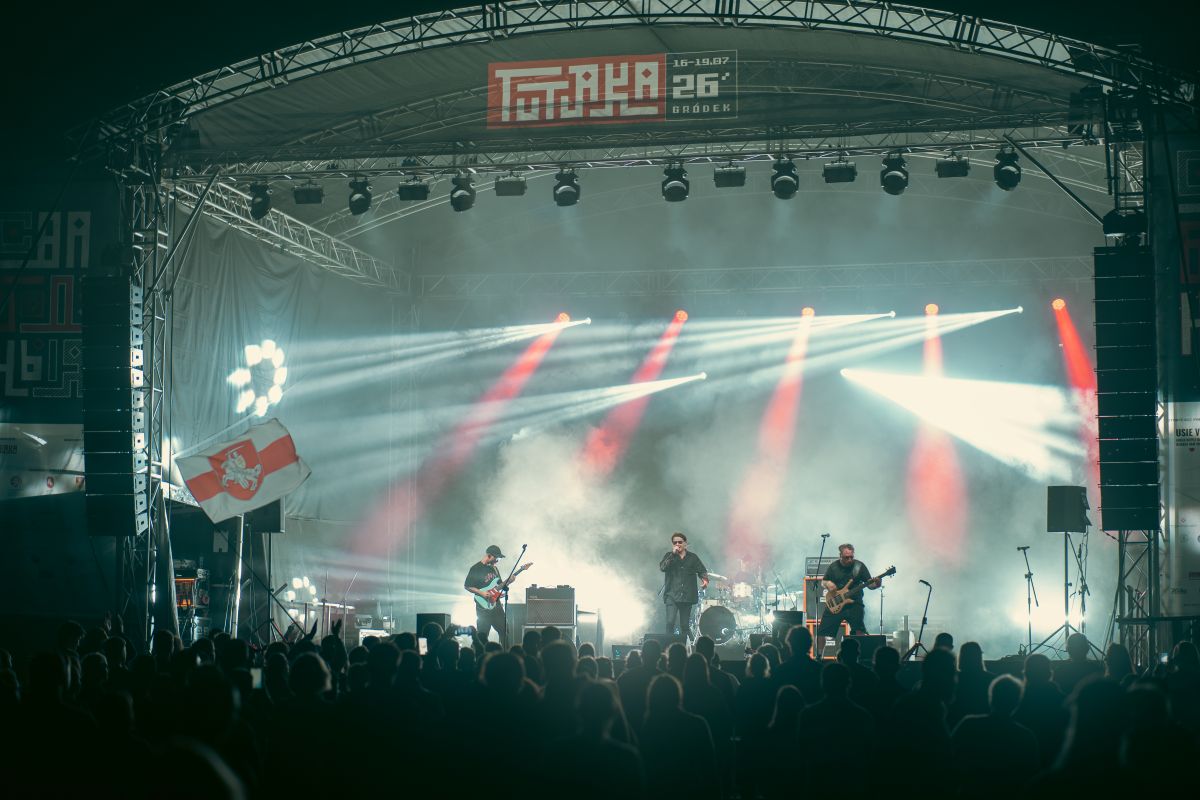
This year, the main stage was moved to a new location, another innovation that was somewhat disorienting. Personally, I missed the smaller stage, where emerging bands could have performed.
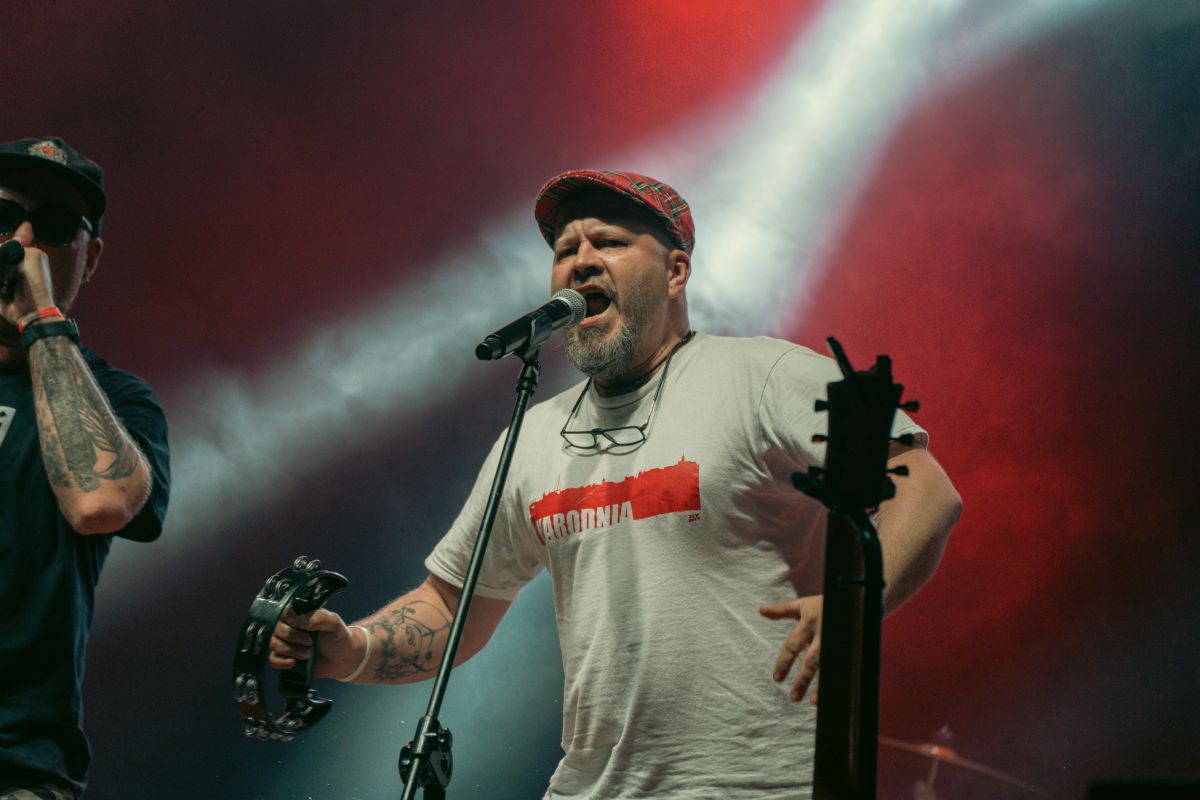
Notably, System of a Down played a concert in Warsaw on Saturday, prompting some festival-goers to leave for the internationally renowned band’s show. But I also met people who returned to Podlasie after the Armenian-American group’s concert so they could spend the rest of the weekend at Tutaka.
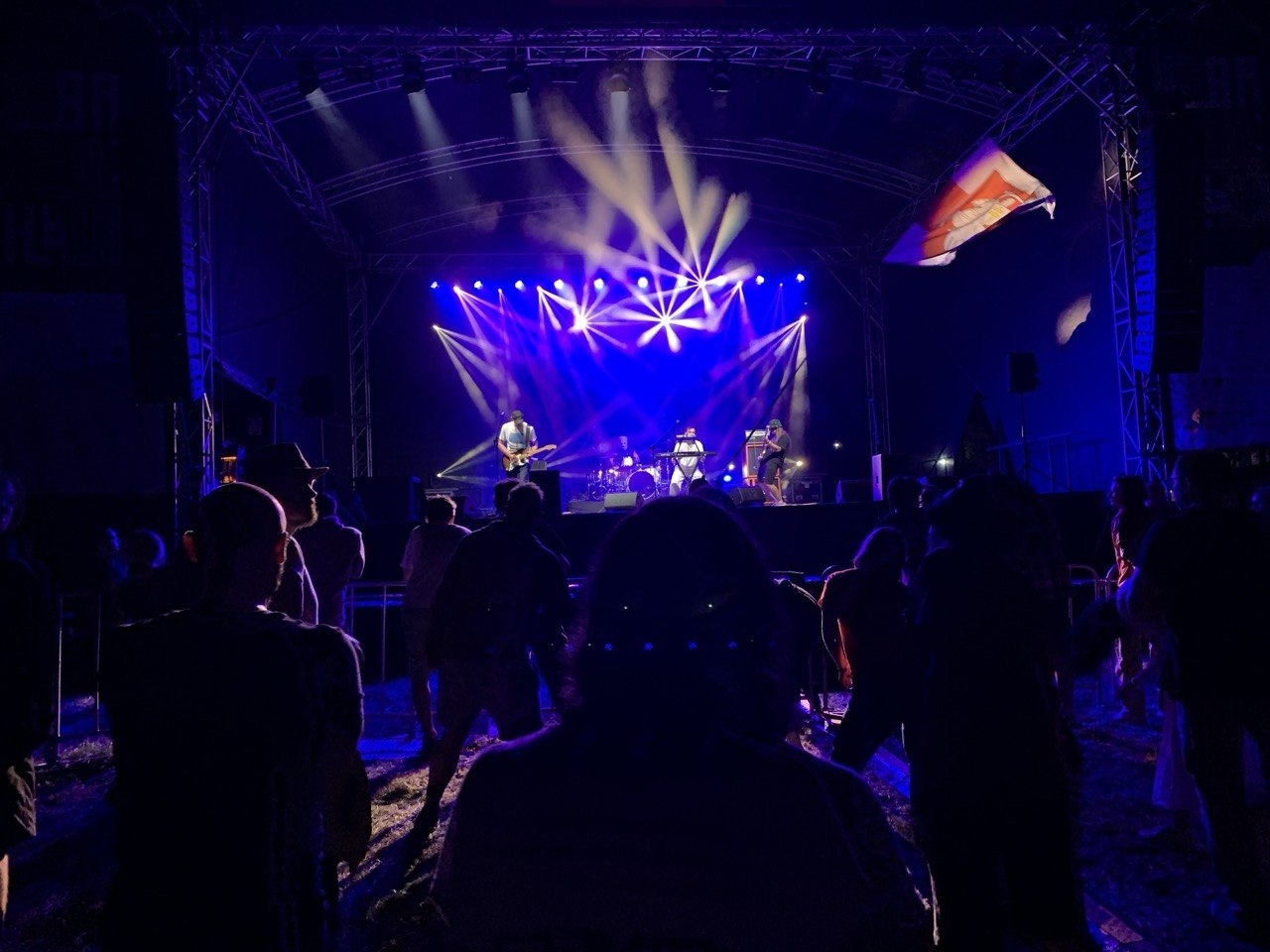
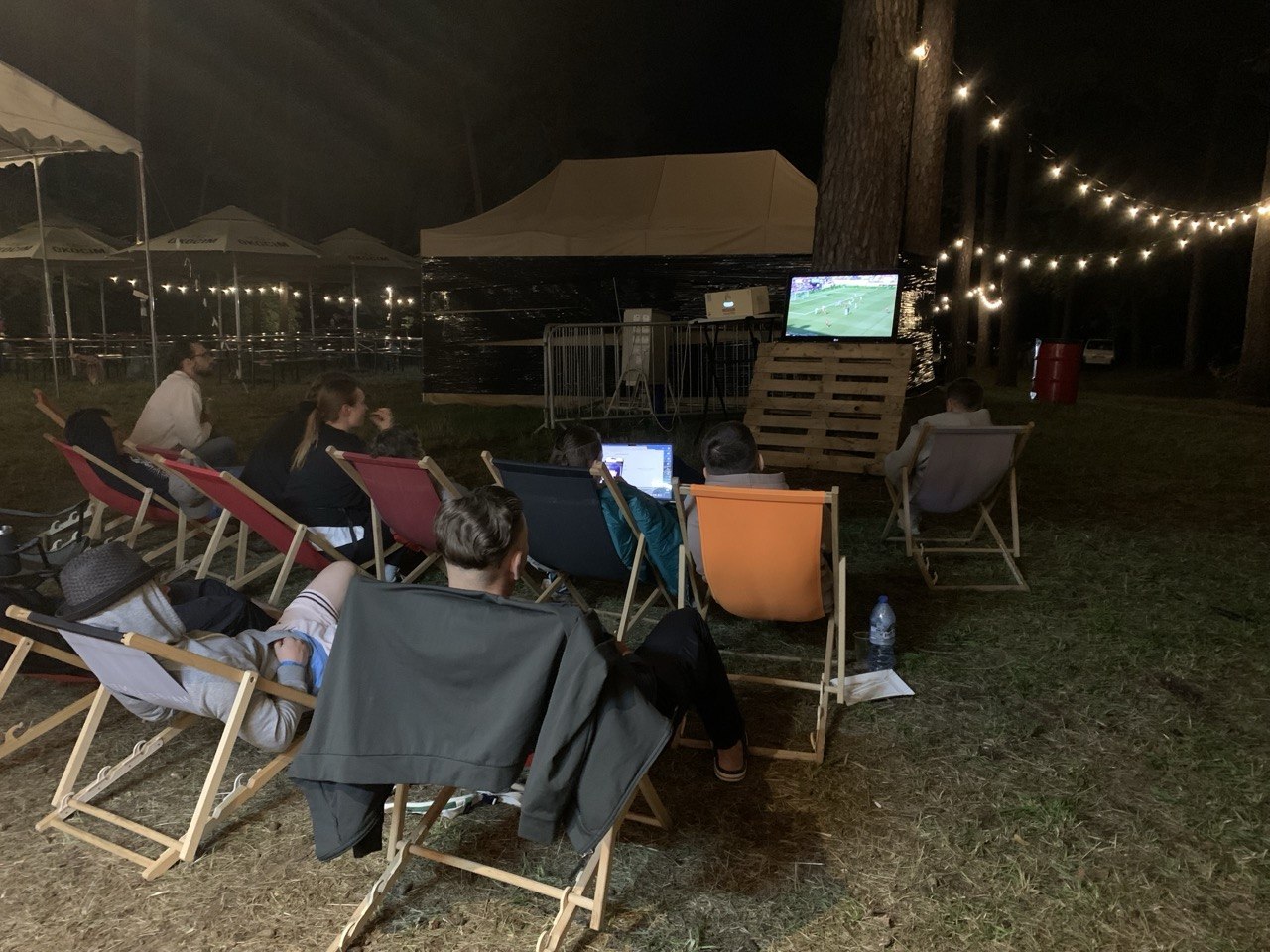
On Sunday, Biaz Nazvy and Razbitaye Siertsa Patsana faced stiff competition for the audience’s attention, as their performance coincided with the FIFA World Cup final. Yet in the free space that Tutaka represents, everyone could choose whether to join the mosh pit to Pink Sunset or watch the football match, which was screened live at the festival.
It is clear that Belarusians in exile now live within the context of Polish and even global cultural offerings. And given that the calendar of Belarusian summer festivals in Poland now offers plenty of choice — if you miss Letutsien, you can always go to Hraj, for example — Tutaka has to compete for visitors much more intensely than it did five years ago. The festival appears to recognise these changes, seeking a balance in its programme while inviting a wide range of Belarusian initiatives to take part.
So Where Are We Heading?
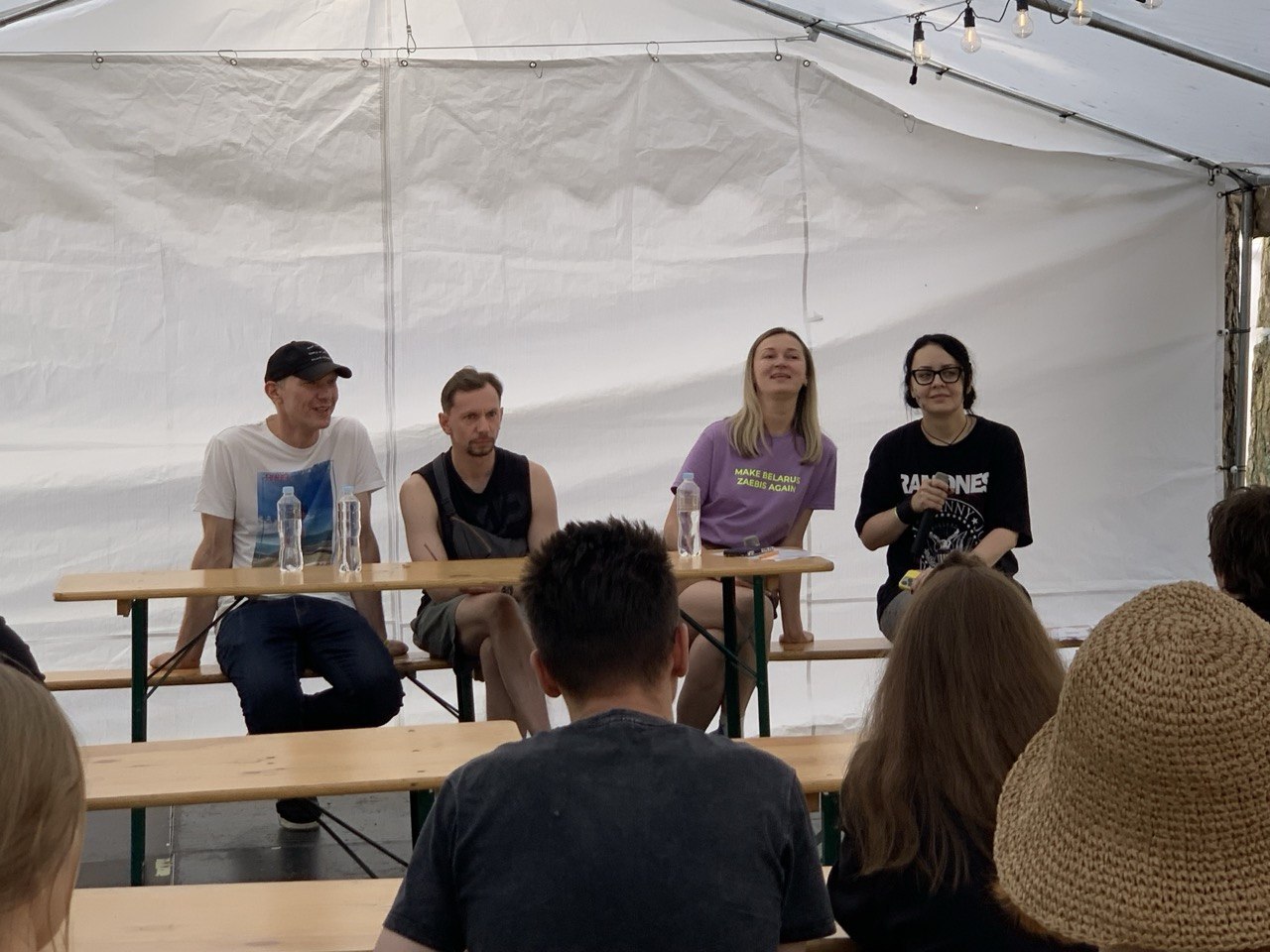
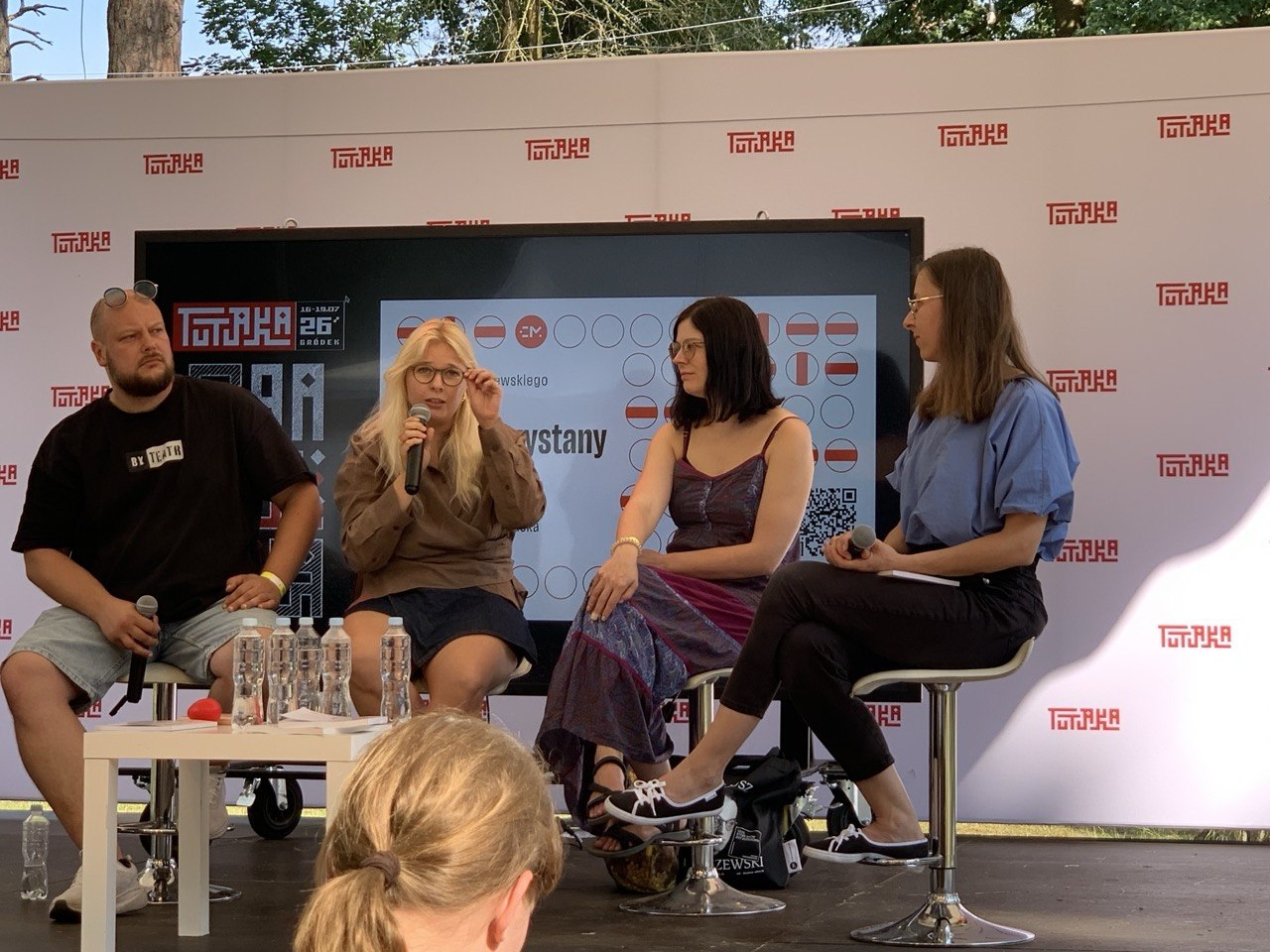
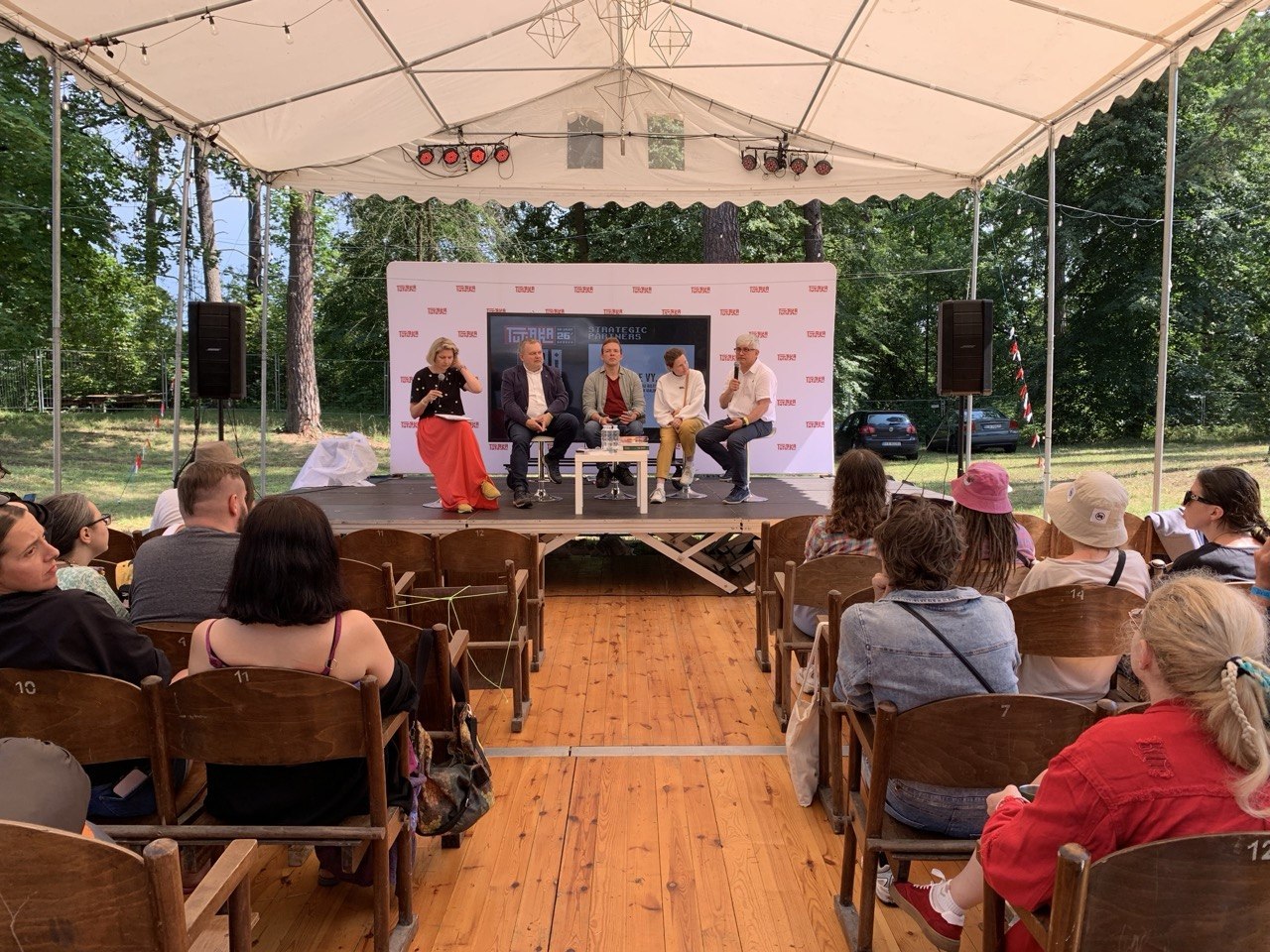
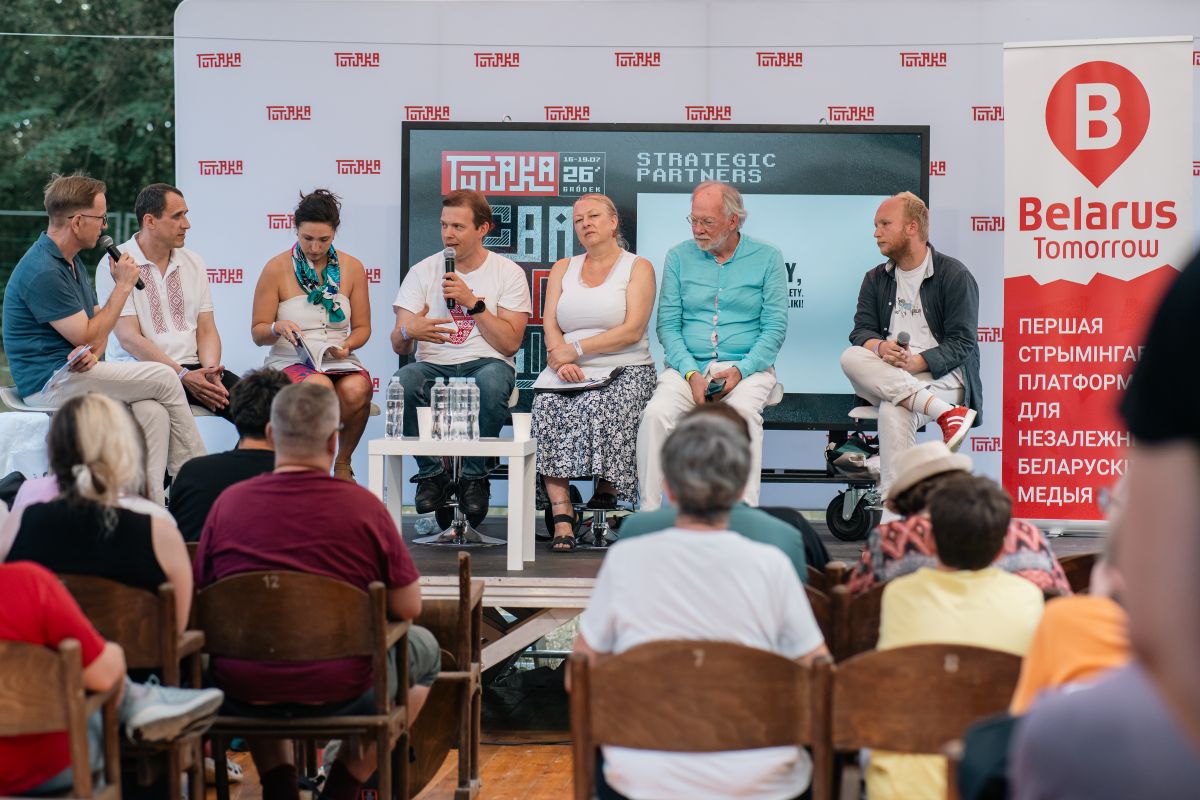
This year, the festival hosted discussions on a wide range of topics: how adults can support queer teenagers and explain different types of families to children, whether Belarusians have a church of their own, publishing, possible scenarios for a peaceful transfer of power, and leaders who could unite Belarusians.
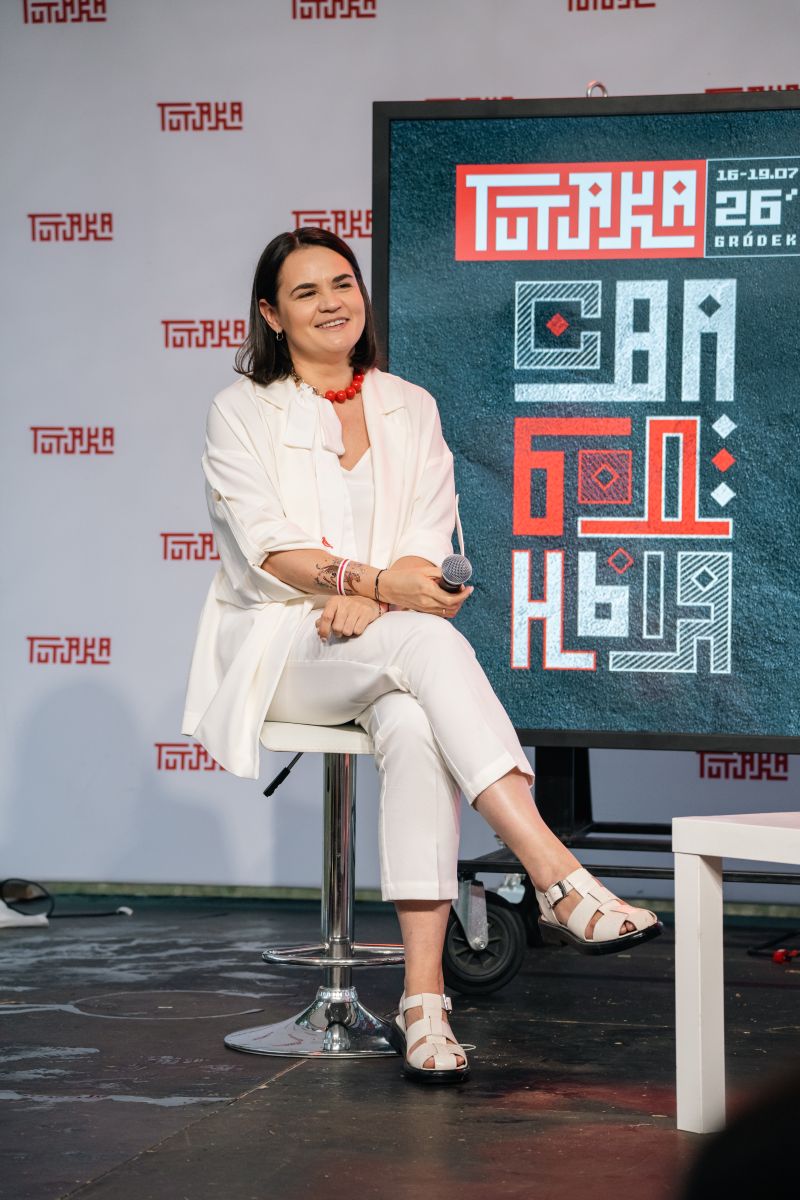
The meeting with Sviatlana Tsikhanouskaya attracted a full house. People asked about the release of political prisoners, obtaining international protection, as well as her favourite dishes and drinks. Asked about the best cold beet soup, Tsikhanouskaya replied that the most delicious one is always the one prepared with love by someone close to you. Sharing a personal memory, she added that her mother-in-law’s version remains the benchmark for her.
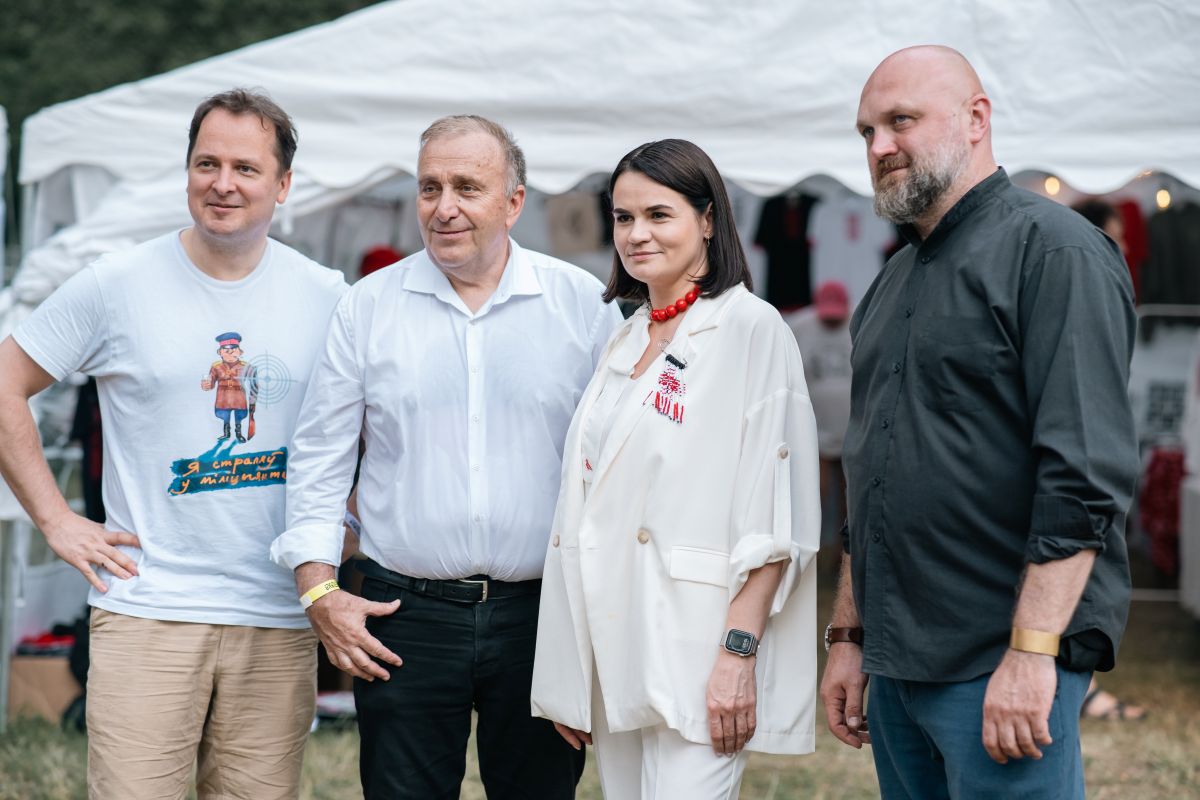
The festival’s real stars were Paval Sieviaryniec and Maksim Znak. During a meeting with the author of Zekameron, someone jokingly remarked that more people had come to see Znak than had recently attended protest rallies in Warsaw.
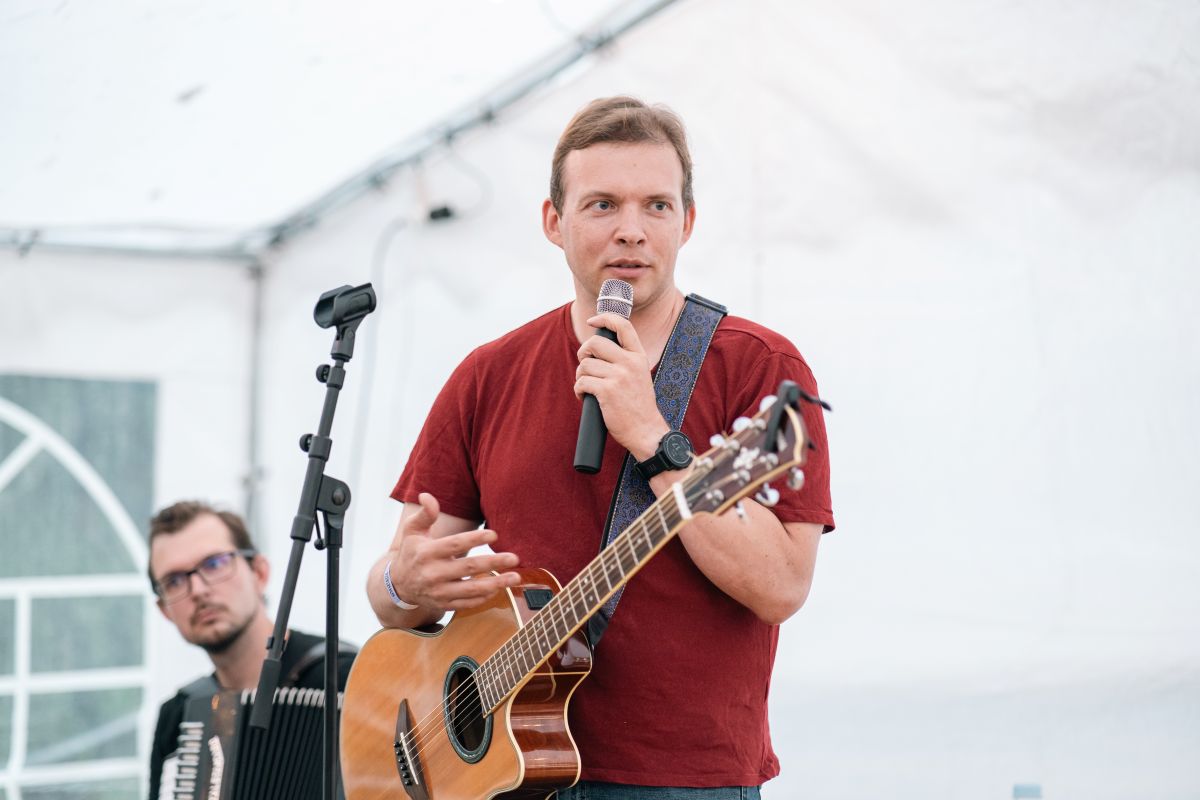
Tutaka provides an opportunity to identify and openly discuss the concerns and anxieties that have preoccupied the Belarusian community throughout its sixth year in exile. There was a palpable sense of fatigue from the long journey toward the longed-for free homeland, yet the underlying values remain unchanged. Belarusians warmly welcomed Sviatlana Tsikhanouskaya, expressing their continued support.
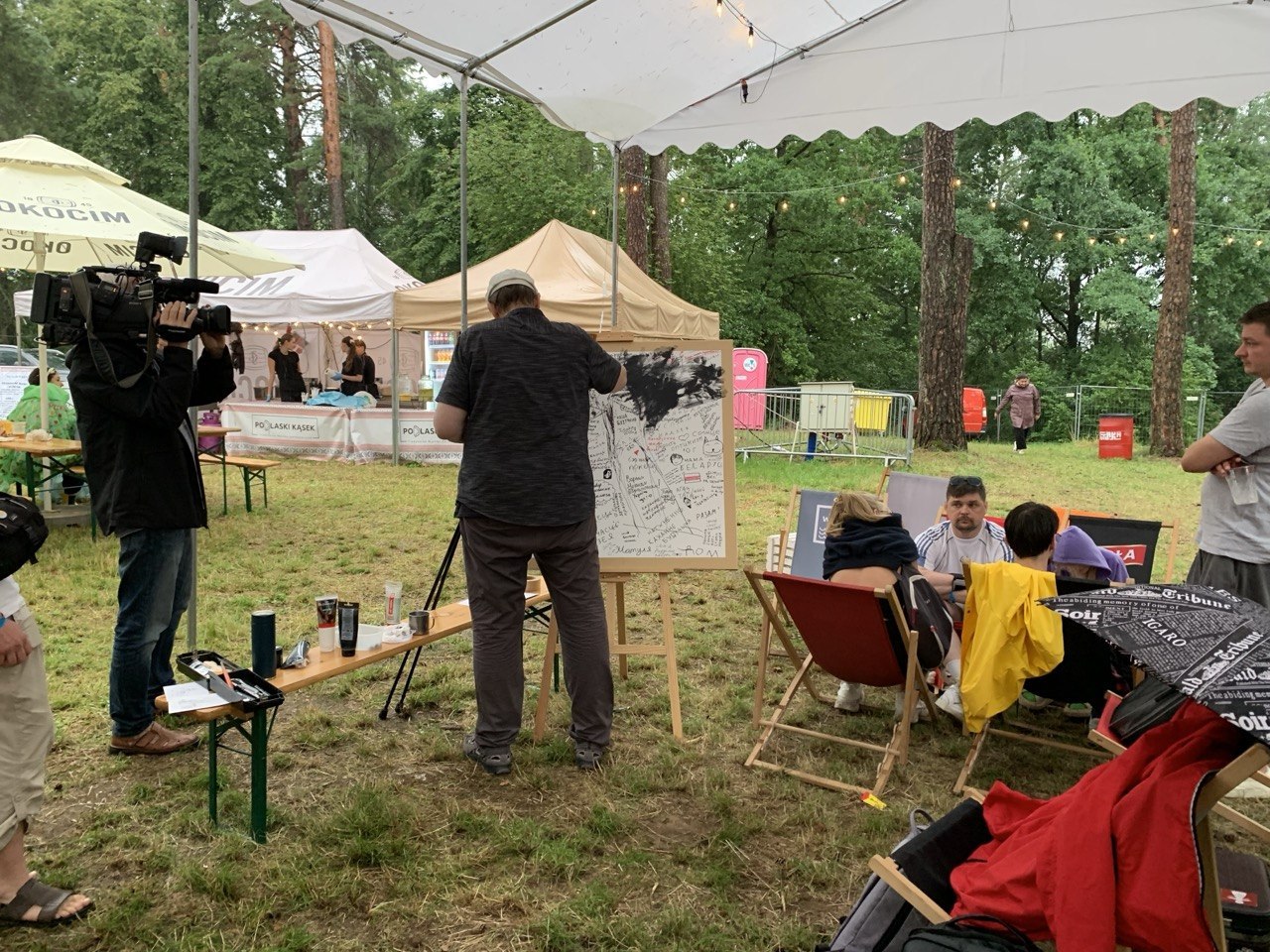
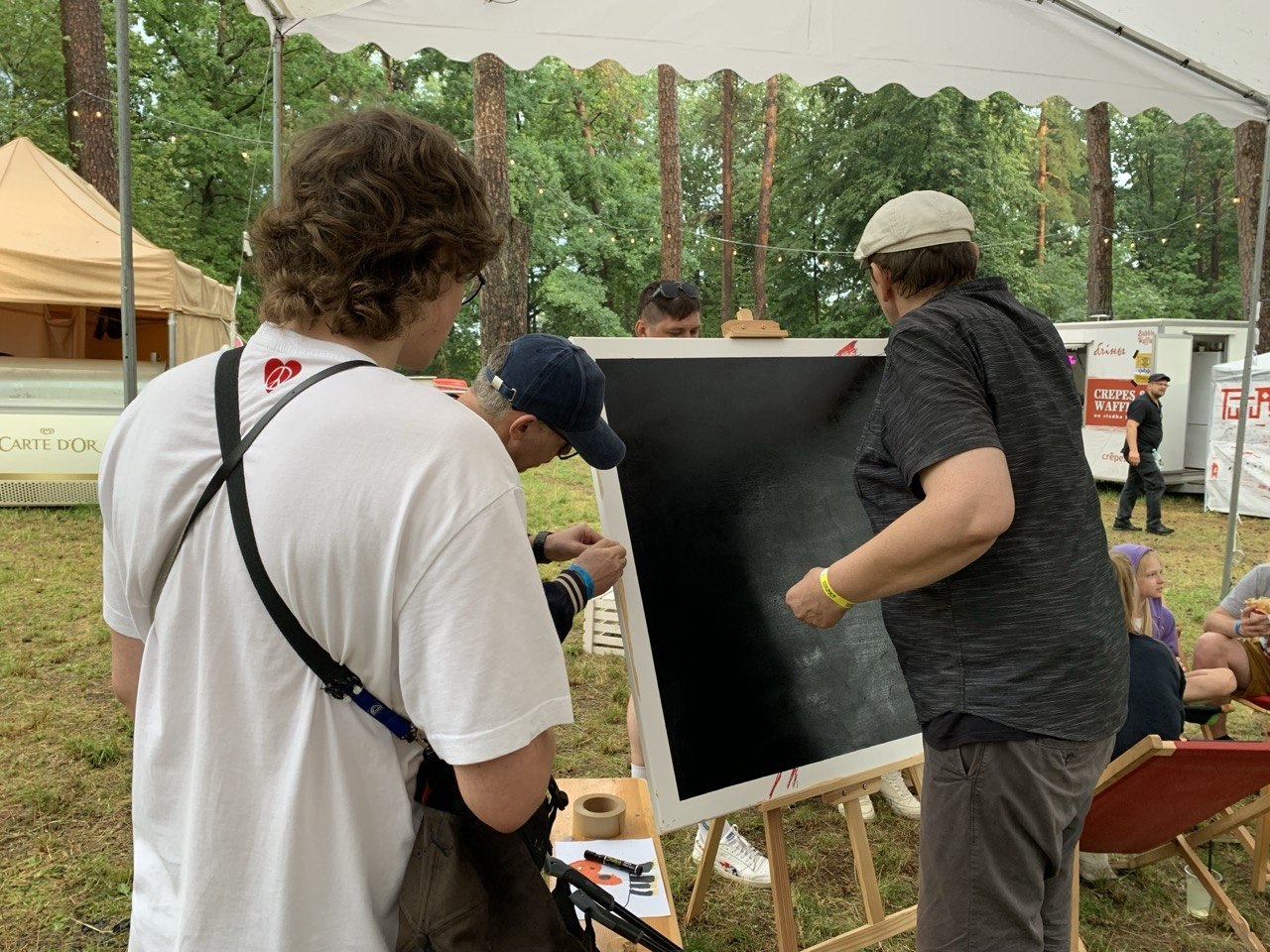
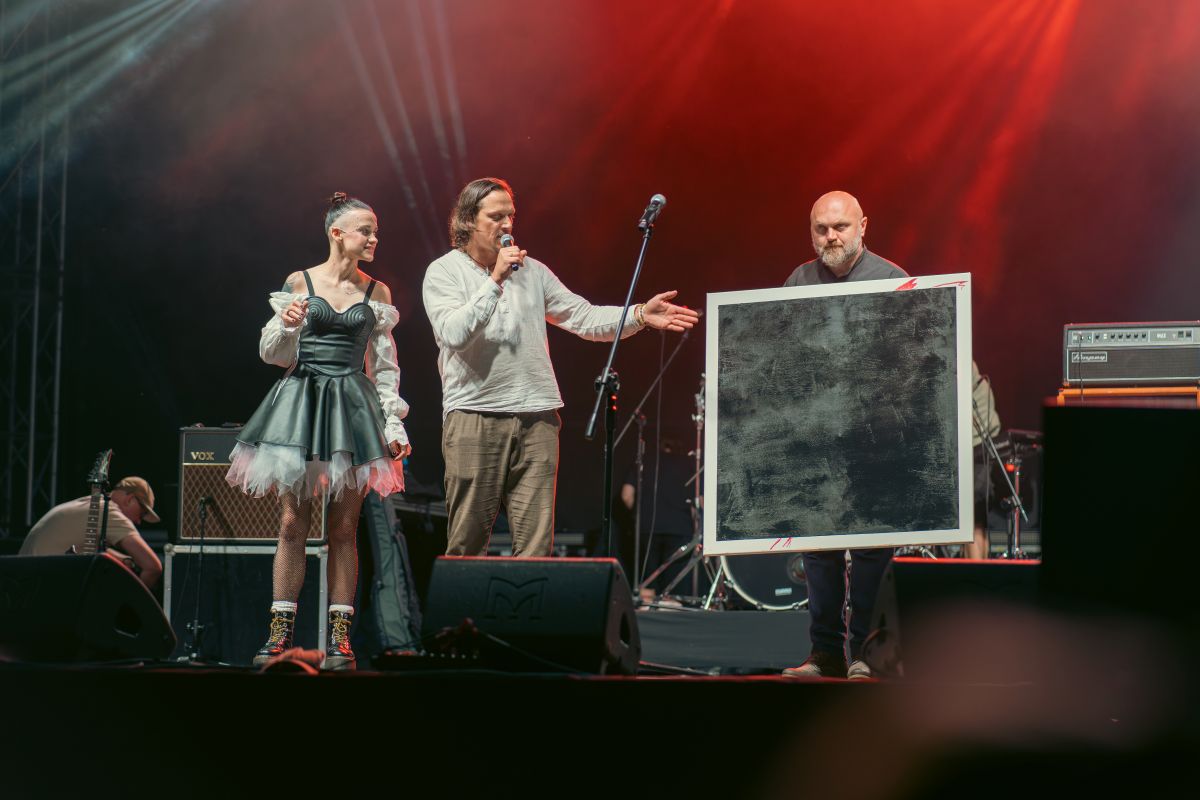
There was also room for an art performance. Andrei Dukhounikau, an artist from Vitsyebsk, invited Belarusians to write three words on a white canvas expressing what was “in their hearts right now.” People wrote all kinds of things: hope, freedom, creativity, joy, love, family, homeland, Maladzyechna, Berlin, Baranavichy, “Bring Tutaka to Miadziel.” One young boy wrote: “Cat, Mum, Belarus.”
At the end of the performance, however, the artist covered those bright words with black paint, symbolising that beneath the surface, people’s dreams and aspirations remain alive. The white canvas was transformed into a “black square”, beneath which the faint outline of an angel’s wings could still be seen.
Finally, the Festival’s Economics
Looking at the bigger picture, this raises a number of questions about the festival’s economics.
Is paying around €100 for three or four days at Tutaka too much? (That amount includes the festival ticket, a campsite pitch and tent rental.) Should one-day tickets be introduced? (This year, a one-day ticket for adults cost 150 zlotys, or about €35.)
What are people willing to pay for? How can this audience be retained?
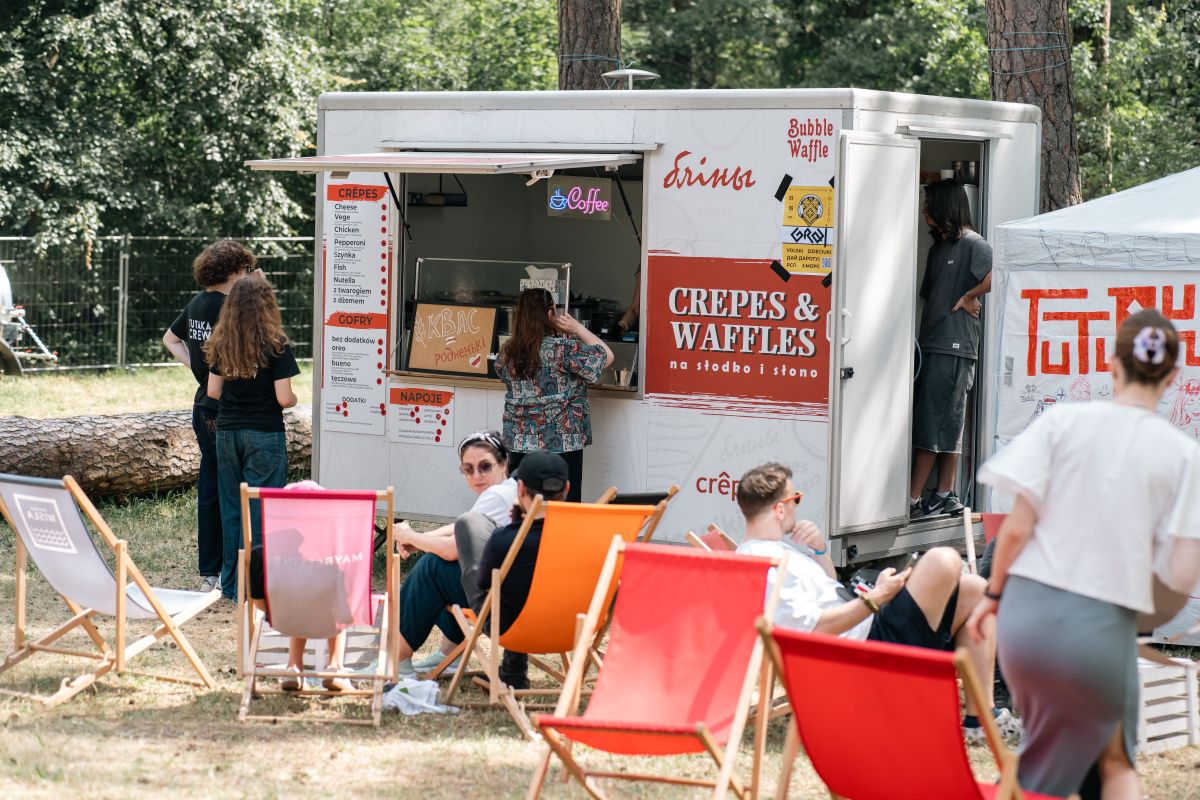
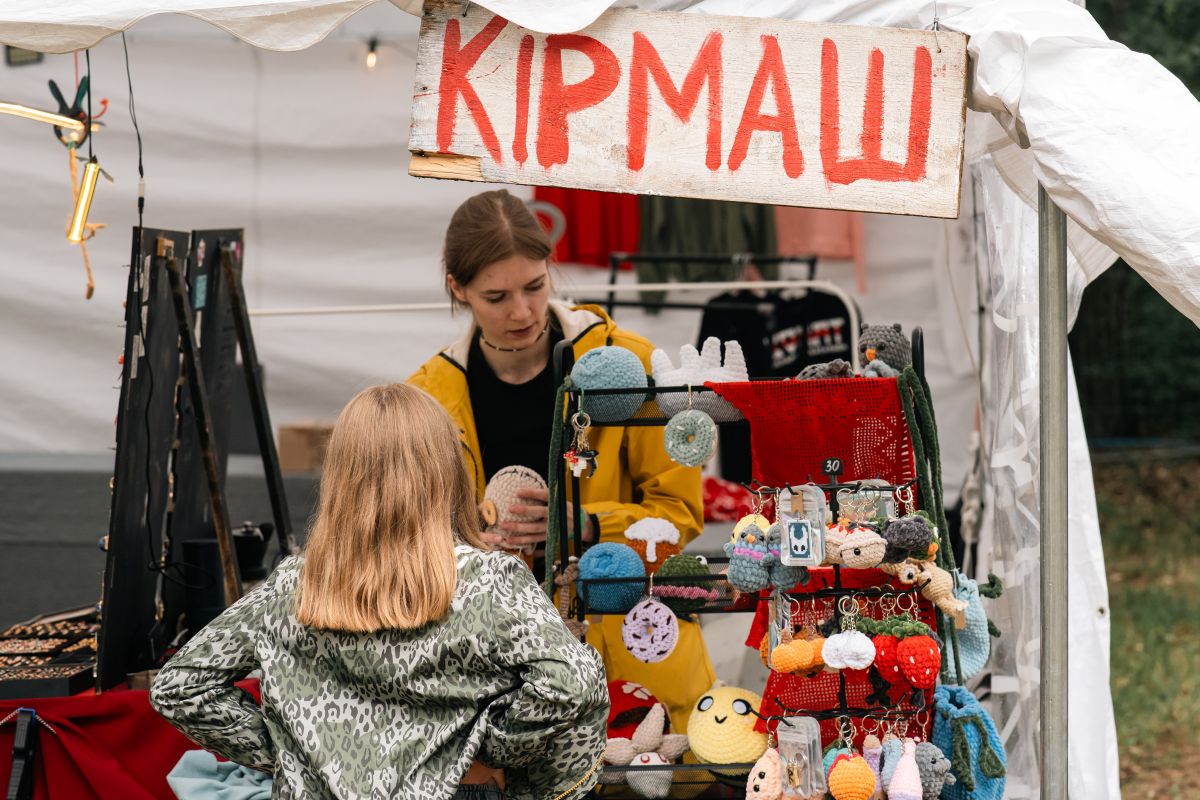
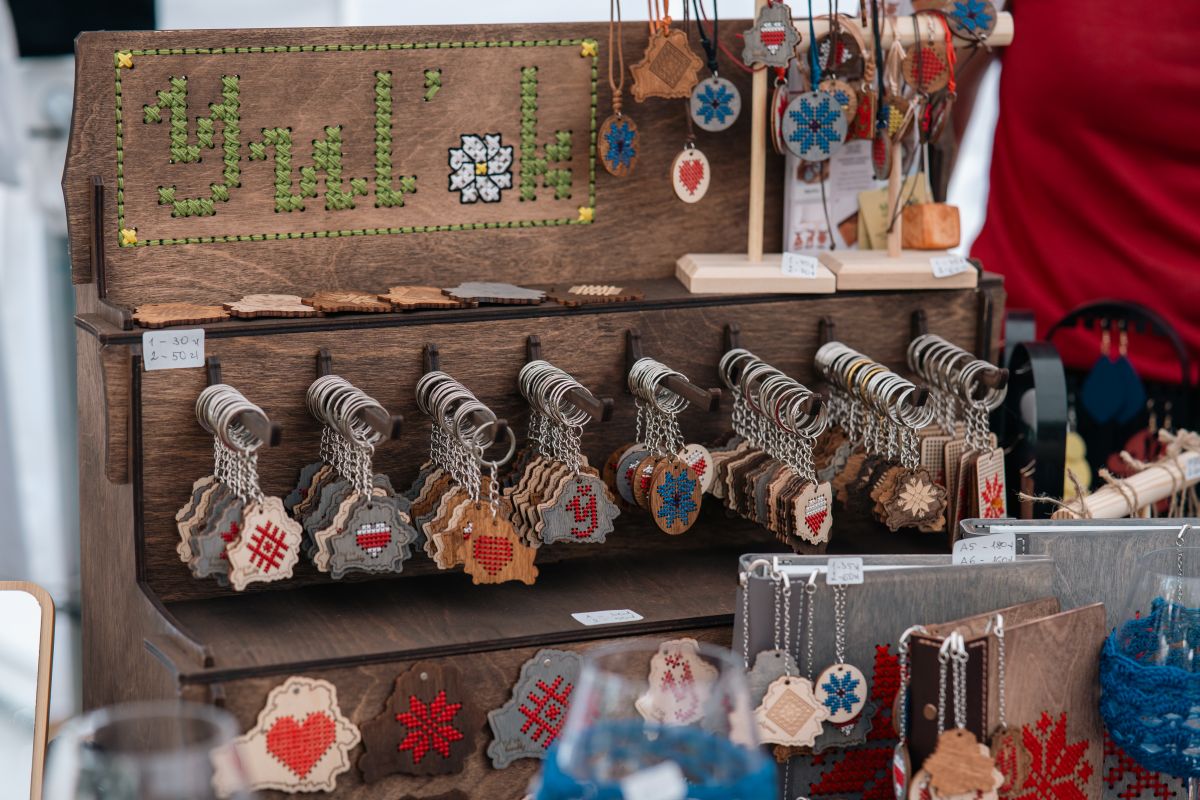
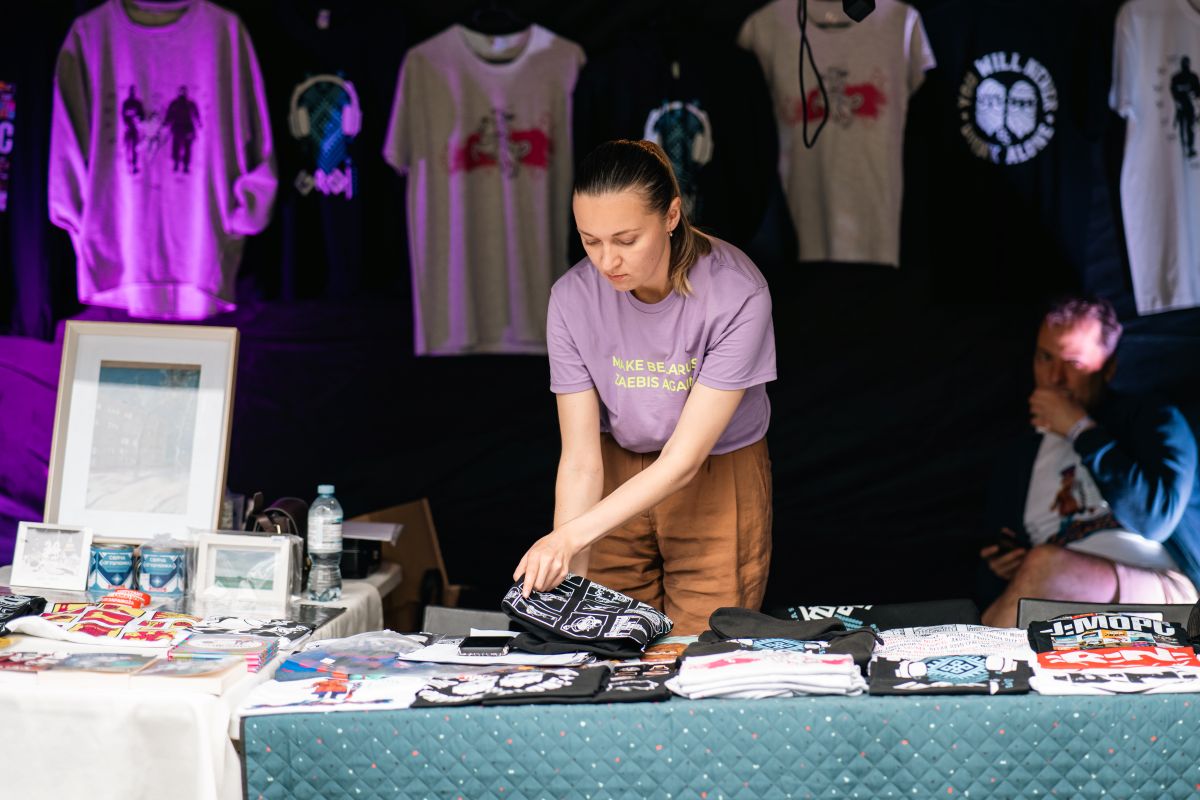
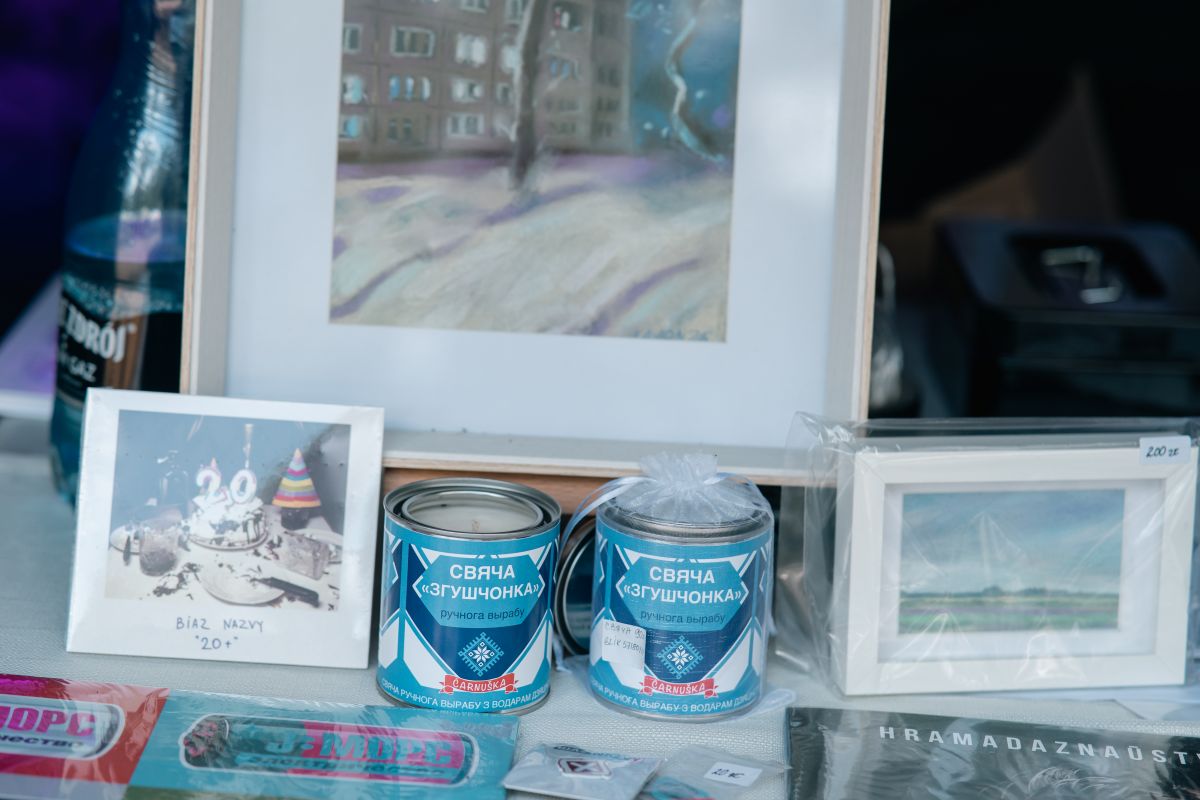
Both craftspeople and publishers complained about the high cost of renting a stall. The only publisher represented at the festival was the Belarusian Culture Centre in Białystok. One artisan admitted that he had managed to sell only five T-shirts, which clearly did not cover his expenses.
Pavel Stankevich says Tutaka’s mission is to preserve and promote Belarusian identity, believing that this is the only way to safeguard Belarusian culture as it comes under increasing pressure at home. For me, Tutaka’s greatest value lies in the fact that it is created by the Belarusians of Podlasie. It embodies history, culture and contemporary life, while providing a place where Belarusians can come together.
But Tutaka will have to compete for its visitors in today’s world of abundant cultural offerings.