
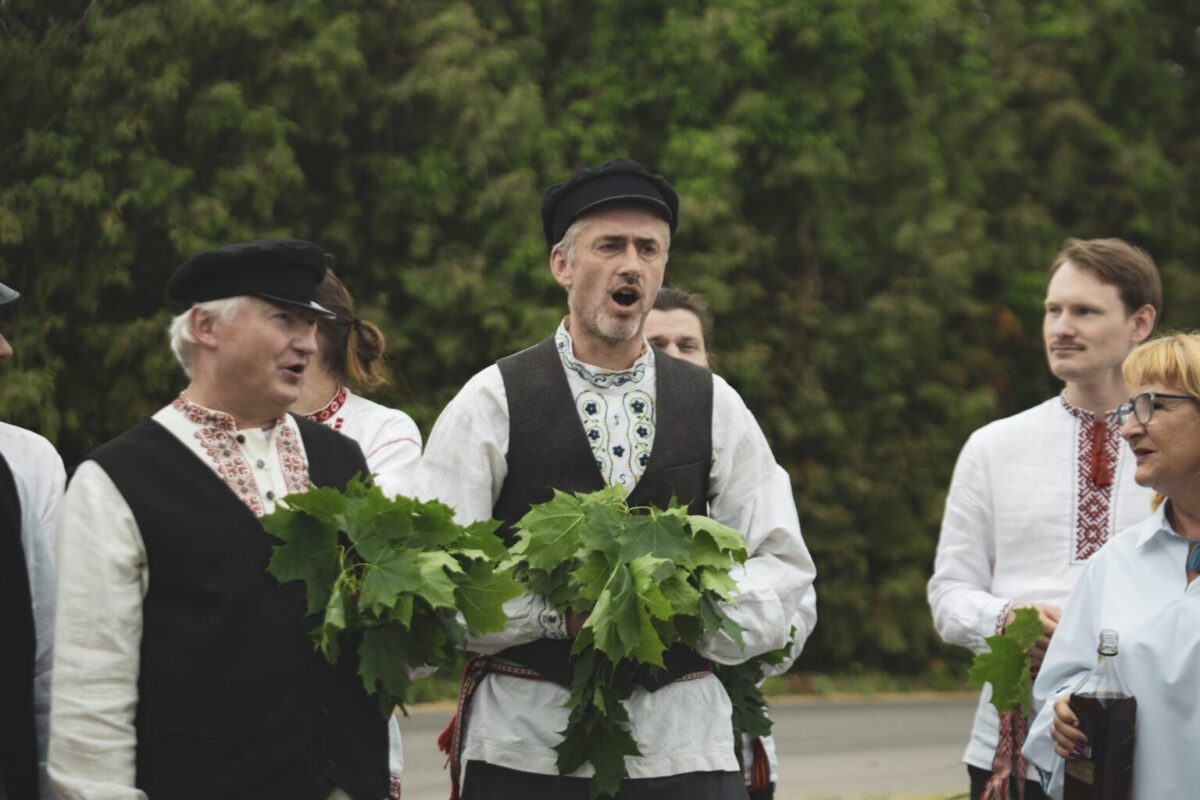
The Tutaka Foundation has announced the programme for the fifth anniversary edition of the SONCAHRAJ festival. The annual event, which for five consecutive years has introduced residents and visitors of the region to Belarusian musical and singing heritage, will once again unfold across two contrasting venues in the Białystok region — in the centre of the regional capital and in an authentic Podlasie village.
The organizers note that the festival’s main goal is not merely to present folklore, but to provide the community with a living introduction to various elements of their ancestors’ creative heritage through interactive formats.
Festival Schedule and Participants
This year, the travelling festival will span two days and two locations.
June 12 (Friday), at 6:00 p.m., the official opening and urban programme will take place at Kościuszko Market Square in Białystok. Traditional culture will enter the public space of the modern city.
June 13 (Saturday), at 5:00 p.m., the festival will move to the village of Wiluki (Dubicze Cerkiewne municipality). This part of the programme will focus on a natural setting and aim to create the most authentic atmosphere possible.
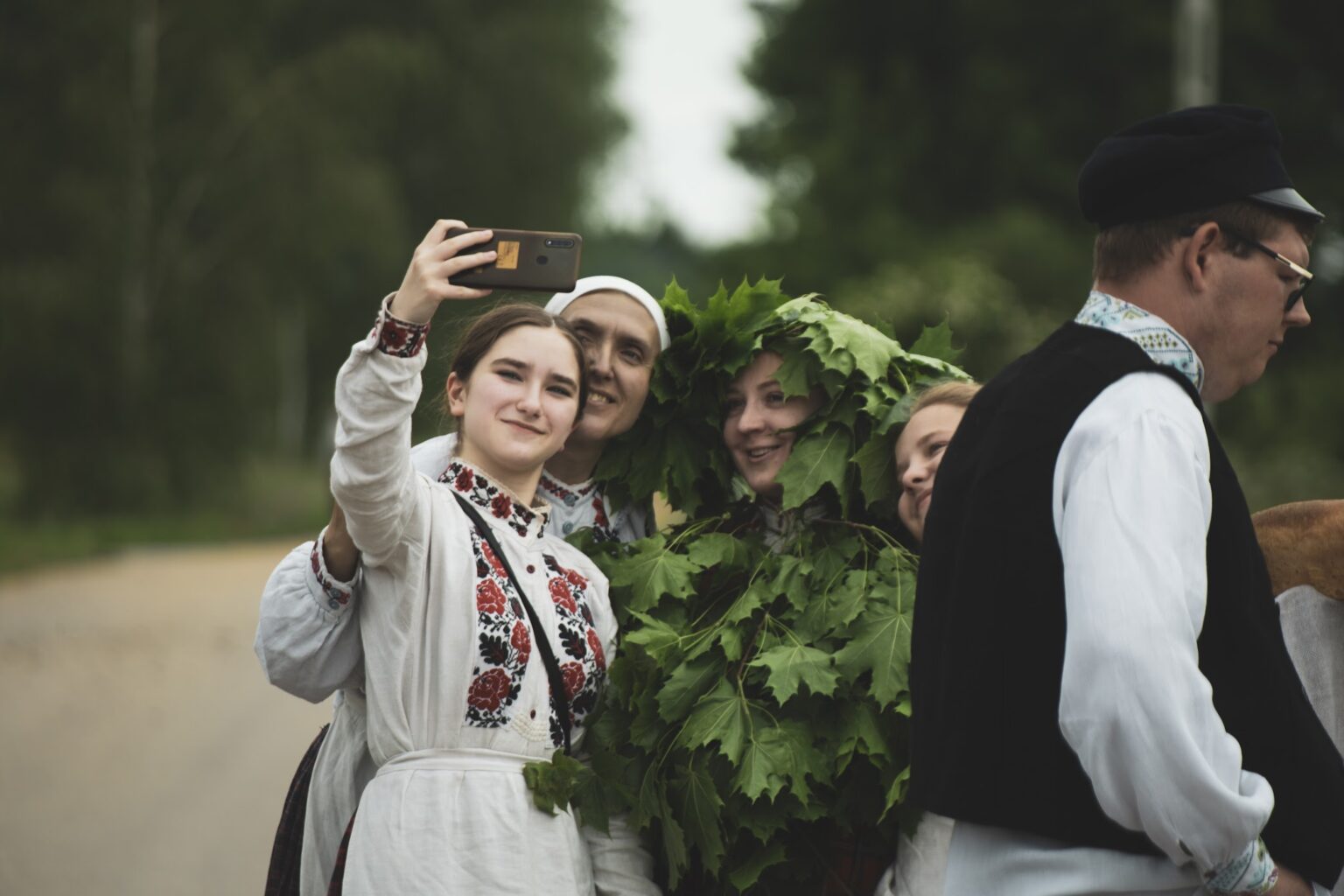
The SONCAHRAJ music and singing programme has been assembled with the participation of folklorists and groups from various regions of Poland engaged in reconstructing and preserving Belarusian cultural heritage. The festival lineup includes:
- BARVY — a women’s singing group from Gdańsk;
- the renowned ŻEMERWA — a folklore studio of Podlasie Belarusians from Studziwody, which has spent many years researching local traditions;
- KASARY — a male ensemble of traditional Belarusian singing based in Warsaw;
- Padlaski Wianok — a dance group for children and young people operating under the AB-BA Association in Białystok.
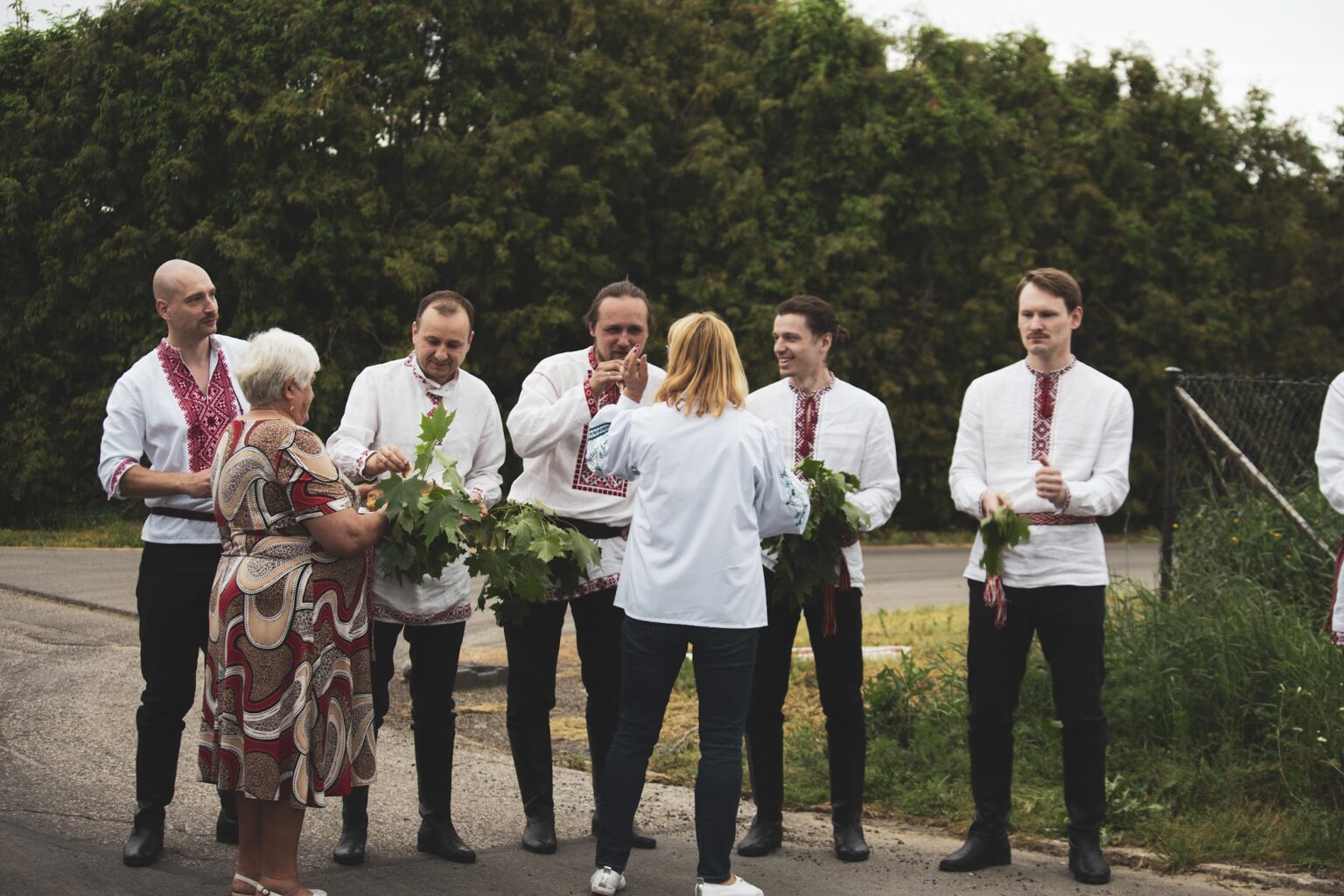
Instead of conventional concert performances, SONCAHRAJ offers guests a format based on collective participation. The programme includes live instrumental music by invited musicians, authentic singing, and a special communal singing gathering open to all attendees. The festival will also feature dance workshops and traditional folk dances.
In addition, the organizers have encouraged guests to support a special dress code by attending the event in traditional national attire, or by incorporating individual elements such as embroidered shirts and woven belts, helping make traditional clothing a living part of the celebration.