
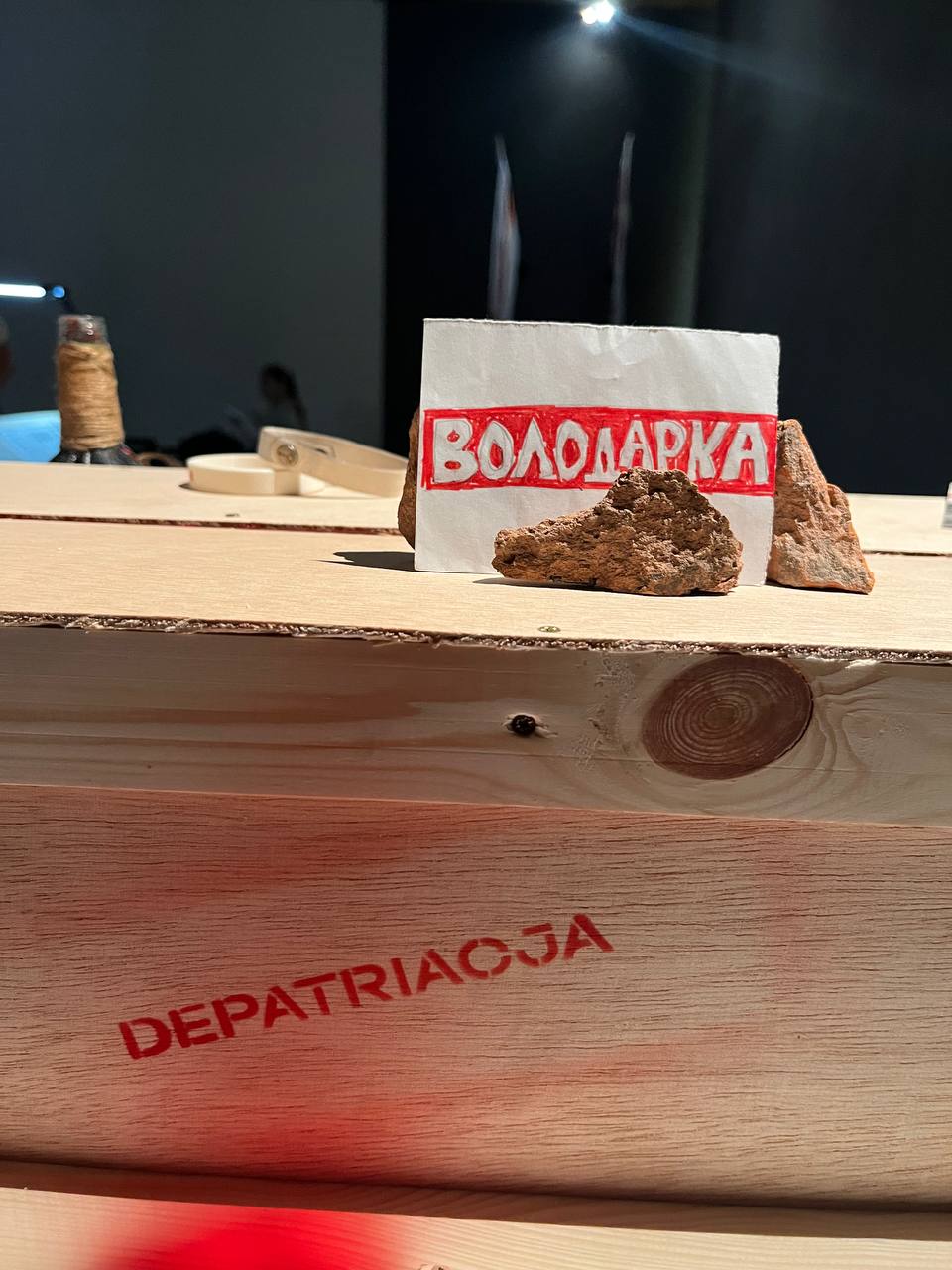
On June 9, the Museum of Free Belarus will open the exhibition “Depatriation,” featuring artefacts removed from Belarus as part of the project “Museification of Protest Artefacts in Belarus.”
Most of the exhibits are items whose very possession inside Belarus could expose their owners to repression and persecution by the authorities.
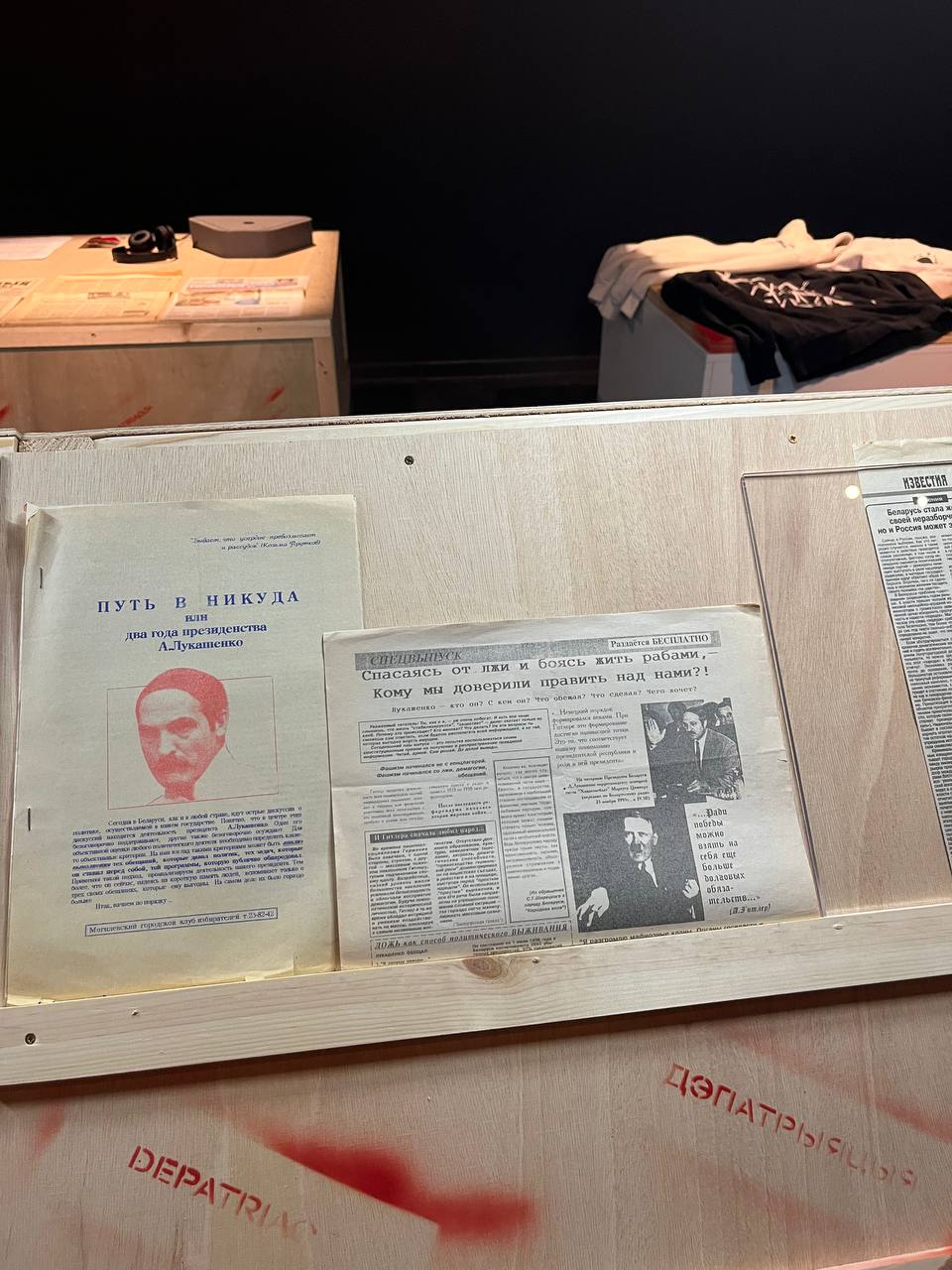
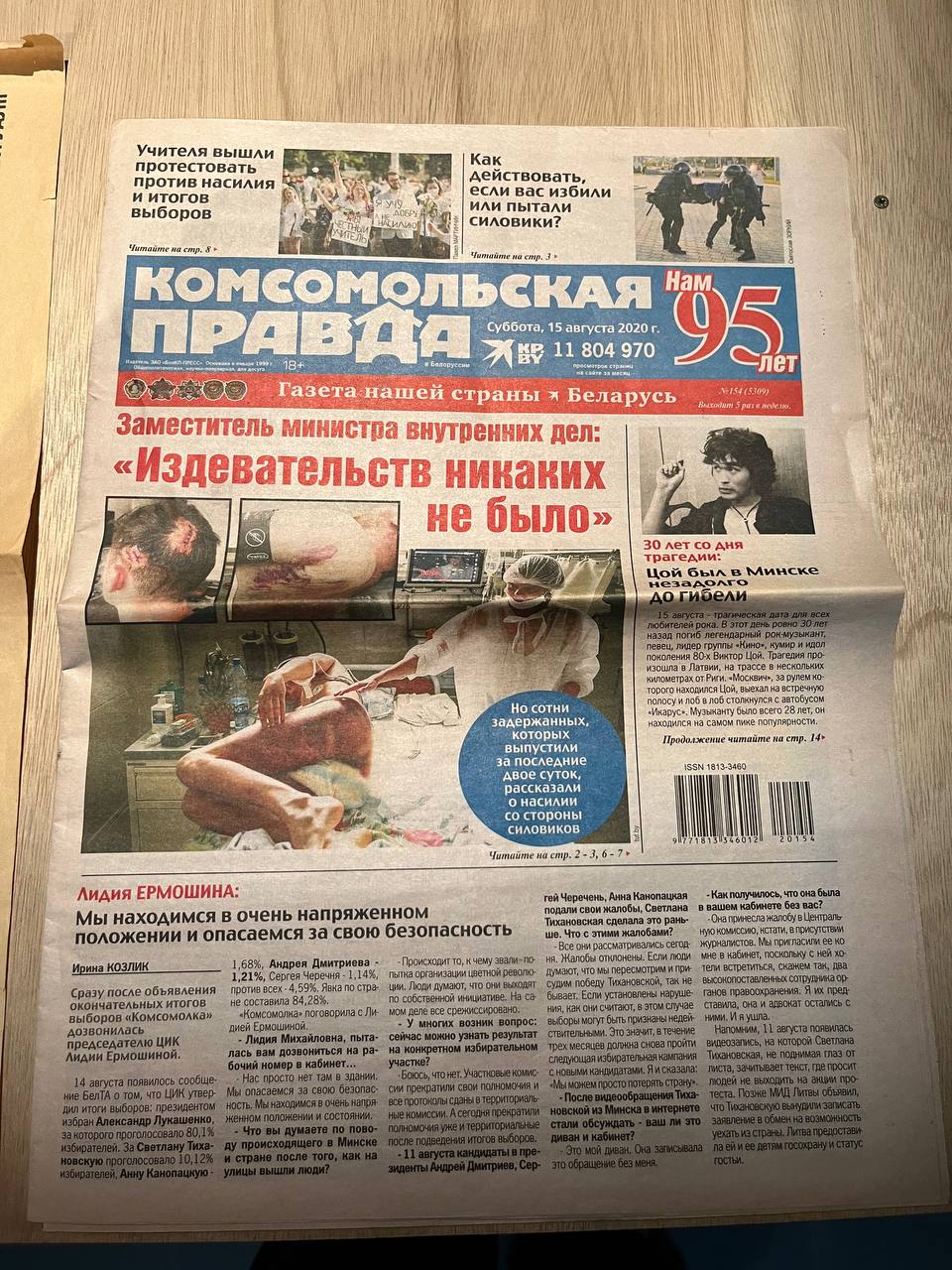
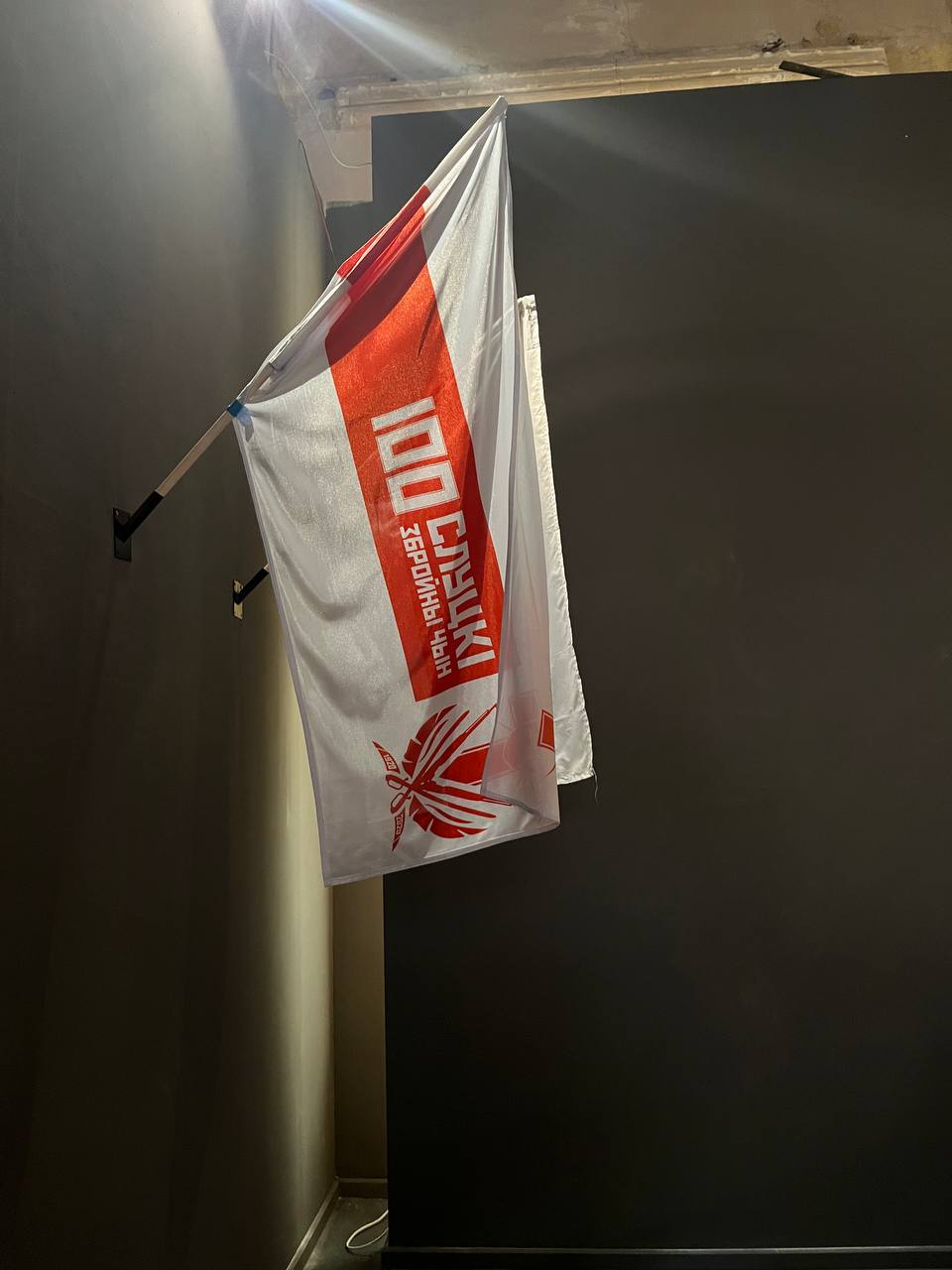
The collection includes artefacts from the 2020 protest movement, items bearing national symbols, and documents from the 1990s and 2000s related to civic activism, human rights work and journalism carried out by their owners.
Some of the items evacuated as part of the project date back to the 1990s. They include an invitation to the “Chernobyl Way–96” rally; the brochure “The Road to Nowhere, or Two Years of the Presidency of A. Lukashenka,” published in 1996; a leaflet issued by the Belarusian Popular Front “Adradzhenne” featuring Zenon Pazniak‘s text “Greetings to Miron. A New Year’s Letter to Belarusian Youth” dated January 1, 1998; an election leaflet from Stanislau Shushkevich‘s 1994 presidential campaign; and pages from newspapers of the period. Among them is a page from the newspaper Svaboda containing the satirical poems “Luka Mudzishchau – President” and “Luka Mudzishchau Replies to Vedzmak Lysahorski” published on December 27, 1994.
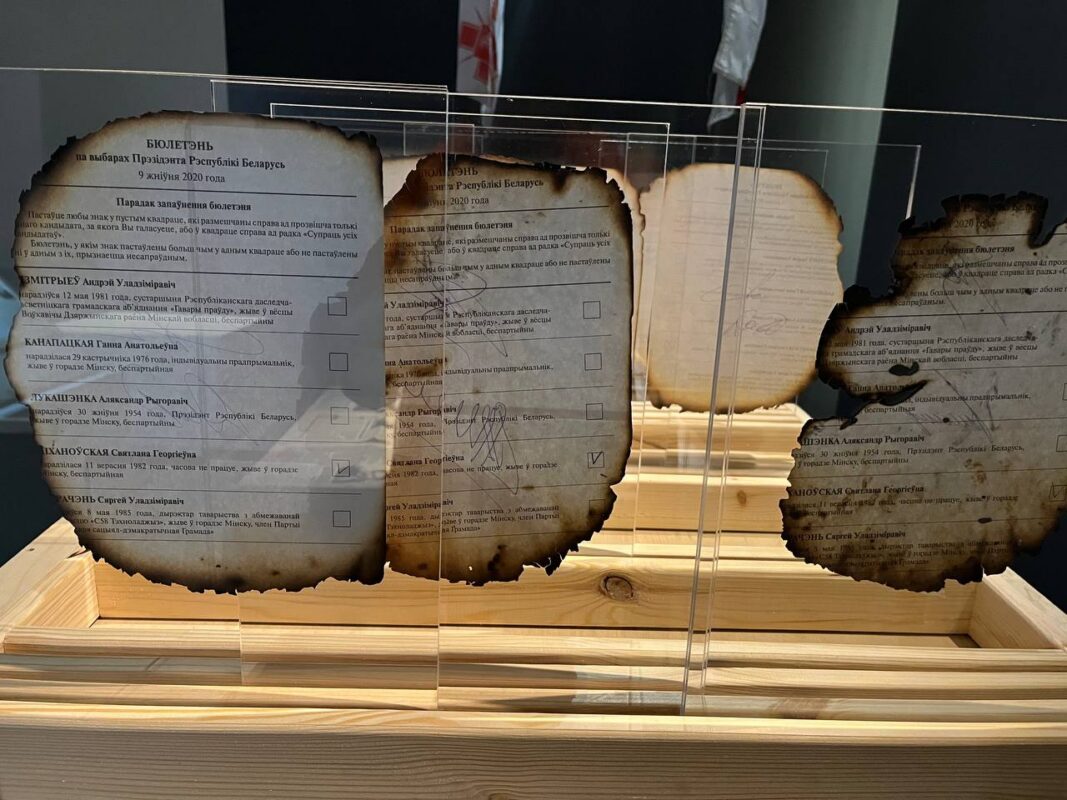
The exhibition also features artefacts from 2020. Among them are partially burned ballot papers rescued from complete destruction in the furnace of a boiler house in Brest after the 2020 presidential election.
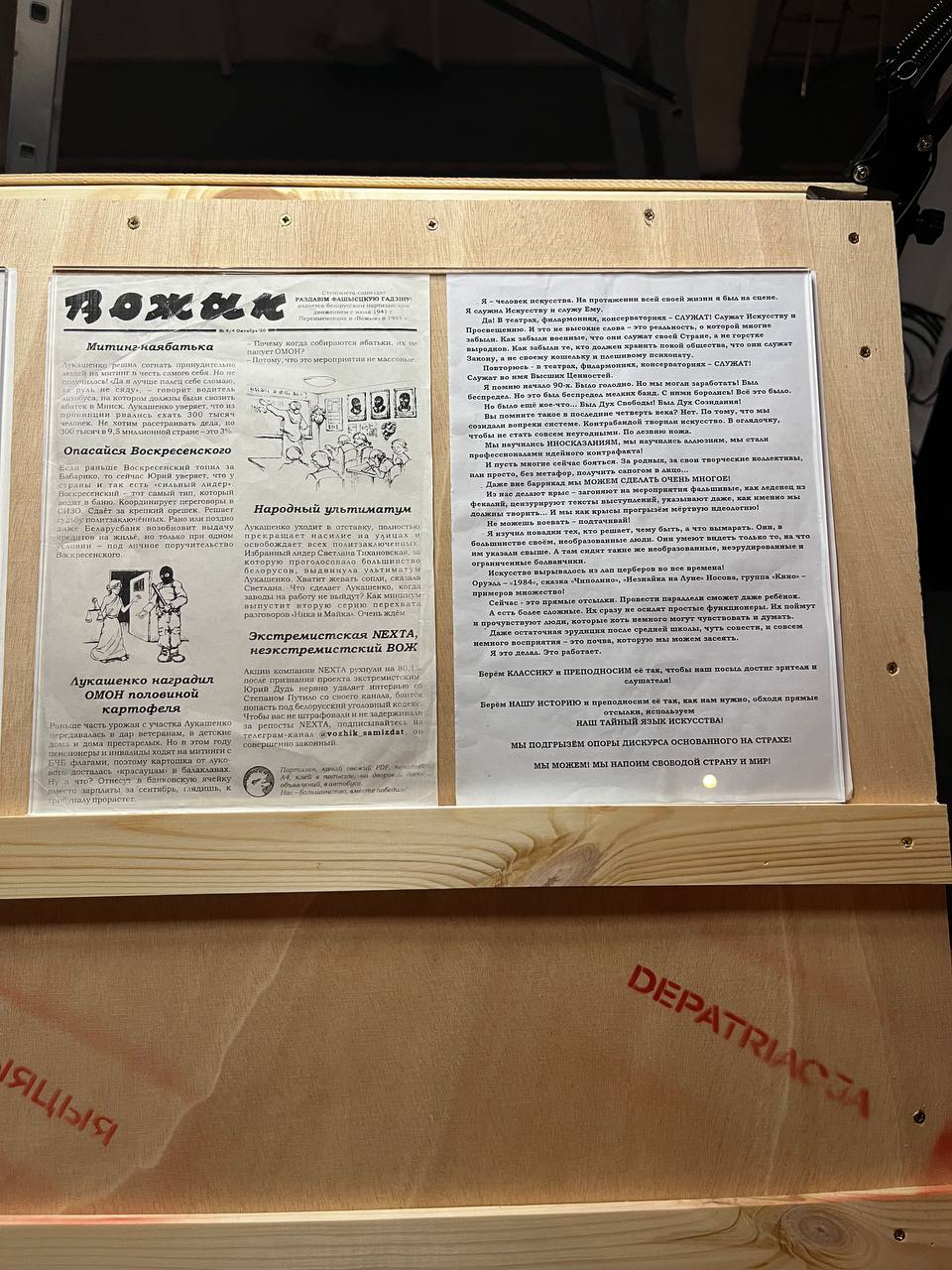
The word “depatriation” was deliberately chosen as the title of the exhibition. It describes a condition in which national symbols are displaced from their homeland and forced to exist in a state of de-Patria, in exile, while maintaining a spiritual, symbolic and even metaphysical connection to the place from which they originated.
Over recent months, the museum team worked together with people in Belarus to safely remove, document and preserve these testimonies of Belarusian history. At the same time, they prepared the catalogue “Depatriation” and educational materials on how to preserve historical artefacts in domestic settings.
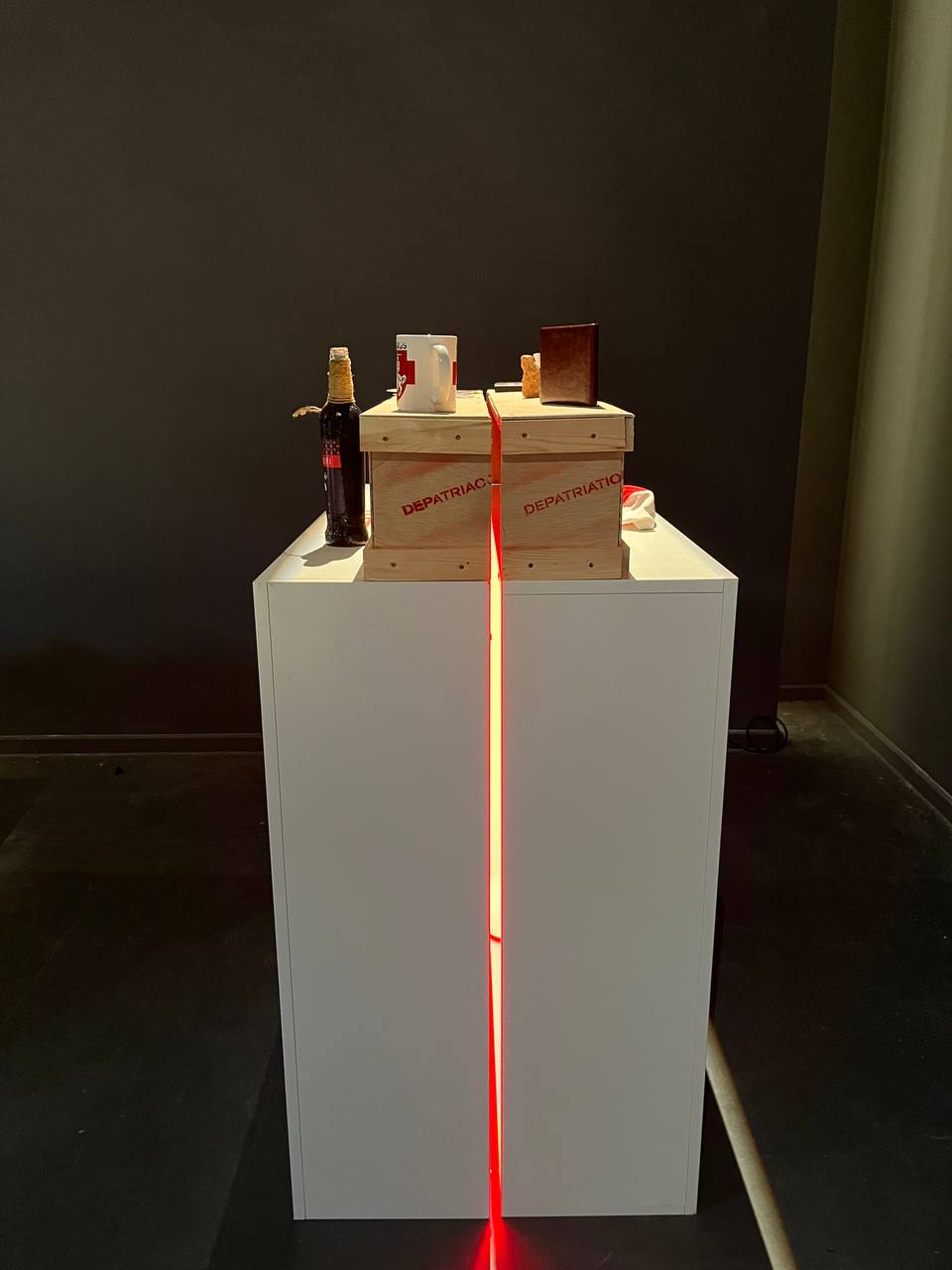
For security reasons, many of the stories of those who contributed to the project will remain anonymous. However, visitors will be able to see their testimonies at the exhibition.
The project is led by Natallia Zadziarkouskaya, while the exhibition designer is Aliaksandr Adamau.
The project was implemented with the support of Belarus Beehive and the European Union.
Subscribe to Reform.news cultural news on Telegram