

Wirtualna Polska Suggests Possible Trump–Lukashenka Deal Involving Oil from Venezuela and Azerbaijan
Reform.news · 1 April 2026, 23:13
https://reform.news/en/wirtualna-polska-suggests-possible-trump-lukashenka-deal-involving-oil-from-venezuela-and-azerbaijan/Wirtualna Polska journalist Zbigniew Parafianowicz, based on conversations with sources in Poland and countries of the region, outlined his version of the reasons and revealed details of a potential agreement being prepared between Minsk and Washington. The core of the deal could involve supplies of oil from Venezuela and Azerbaijan to Belarusian refineries.
After a meeting between Aliaksandr Lukashenka and Donald Trump, which may take place in the United States, “oil from the United States” is expected to begin flowing to Belarus.
Lithuania and Latvia are allegedly involved in the “reset” with the dictator and are expected to provide their ports for transit. The oil would be American in name only, as its actual origin would be Venezuela and Azerbaijan, from which Lukashenka has previously purchased oil. It remains unclear at what price the Americans would sell the oil to Lukashenka, Wirtualna Polska writes.
According to Wirtualna Polska’s interlocutors, Trump’s plan is for oil supplies to Lukashenka to both increase the dictator’s independence from Russia and demonstrate to Vladimir Putin that the United States can bring sanctioned states back into the international system in exchange for concessions. A third benefit, from Washington’s perspective, would be increasing fuel supply on the market using crude not originating from the war-affected Persian Gulf, which could ultimately lower prices.
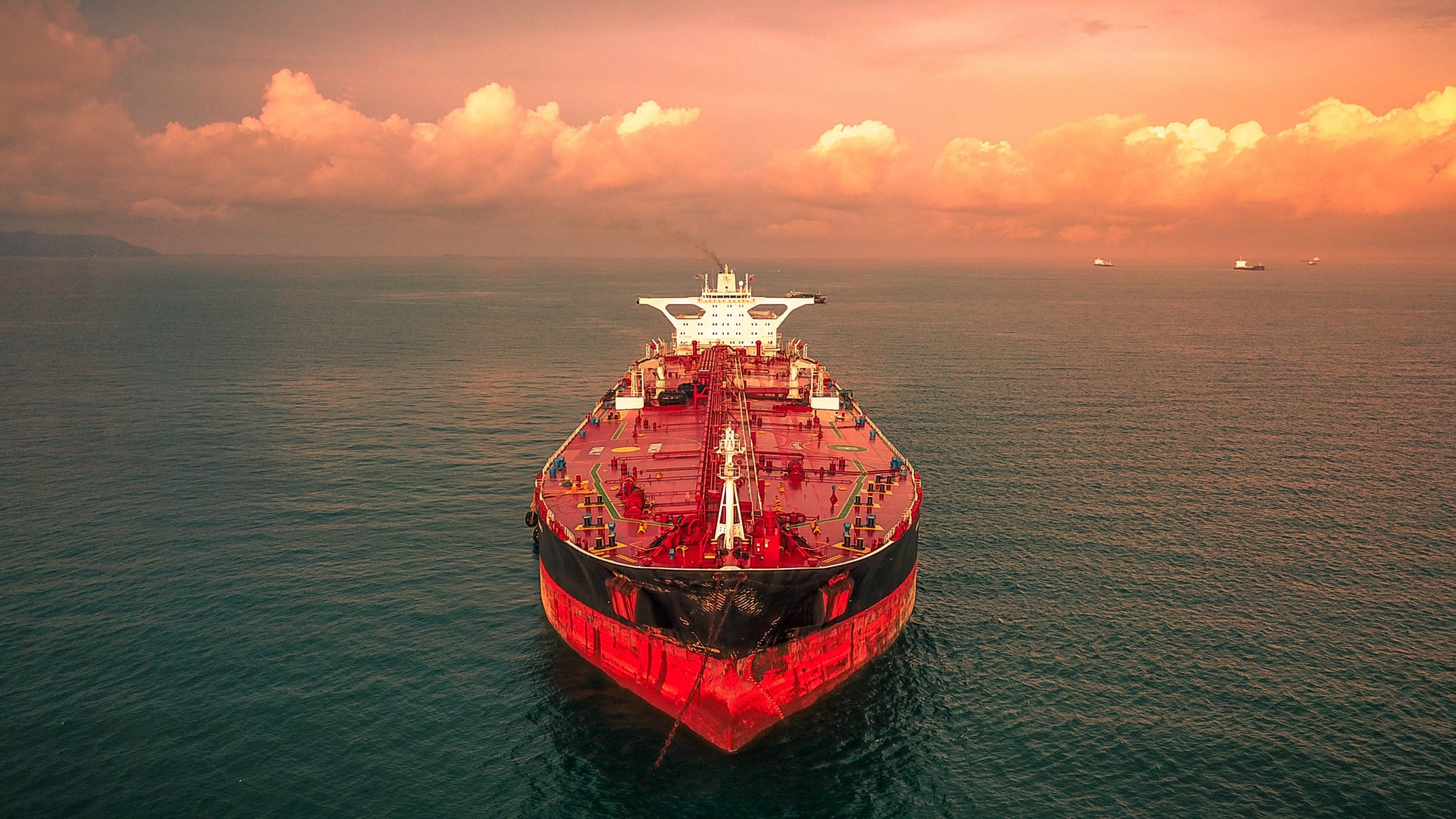
Venezuelan oil is expected to be delivered via the Baltic Sea. Azerbaijani oil — under a swap arrangement — would allegedly be supplied through the Druzhba pipeline system. Formally, Azerbaijan would sell oil to Belarus, while in practice Belarusian refineries would receive Russian crude accounted for as Azerbaijani.
“Lukashenka has traded political prisoners. He released more than five hundred people. The Americans lifted sanctions on the Belavia airline and the Belaruskali potash producer. Now this agreement needs to be consolidated. That means oil trade, including Venezuelan and Azerbaijani oil,” a source in Ukrainian diplomacy familiar with the matter told WP.
“The crude is to be supplied via Lithuania and Latvia. In the case of Azerbaijani oil, the Druzhba pipeline is also planned to be used. Ukraine has been sounded out regarding the possible use of the port of Odesa for this purpose,” the source added.
Kyiv has not said “no” to the Americans regarding a reset with Belarus. However, it is not interested in overly rapid rapprochement with Lukashenka, the WP journalist reports.
The journalist also claims “that Ukrainian sanctions against Belarus are individual and temporary in nature. They apply to specific individuals and legal entities. Sanctions against the Mazyr Oil Refinery and Naftan are in place until 2027. However, there are at least 58 Belarusian fuel exporters to Ukraine that face no restrictions. If Ukraine were to provide the port of Odesa for Trump’s reset, Azerbaijani oil could be supplied to Belarus via the Odesa–Brody pipeline without any obstacles.”
The final phase of the reset is expected after a Trump–Lukashenka meeting planned during a session of the Peace Council created by Trump. The exact date has not yet been determined. This information is also confirmed by WP sources in Polish diplomacy. Sources in Lithuania speak of a forthcoming energy agreement intended to cement the reset.
“Trump’s oil” would be processed, among other places, at the Mazyr Oil Refinery and supplied to European markets. As it would originate from Azerbaijan and Venezuela, it could be attractive in price for Lukashenka, beyond its technical parameters. American companies could act as intermediaries in fuel sales. Moreover, if this scenario is implemented, Lukashenka as a fuel supplier would fall outside EU regulation that the European Commission planned to introduce in spring. The Commission — by analogy with gas regulations — intends to ban imports of fuel produced from Russian oil starting in 2027.
It is worth recalling that Minsk used similar oil supply schemes before August 2020. For example, the first shipment of US oil (about 80,000 tonnes) arrived at the port of Klaipėda on June 5, 2020, and was delivered to Naftan on June 11. The supplies began following agreements reached during a visit to Minsk by US Secretary of State Michael Pompeo. The crude was purchased from trader United Energy Trading with the involvement of the American company Getka and Poland’s UNIMOT.
At that time, plans envisioned securing about 30% of oil supplies from sources alternative to Russia.