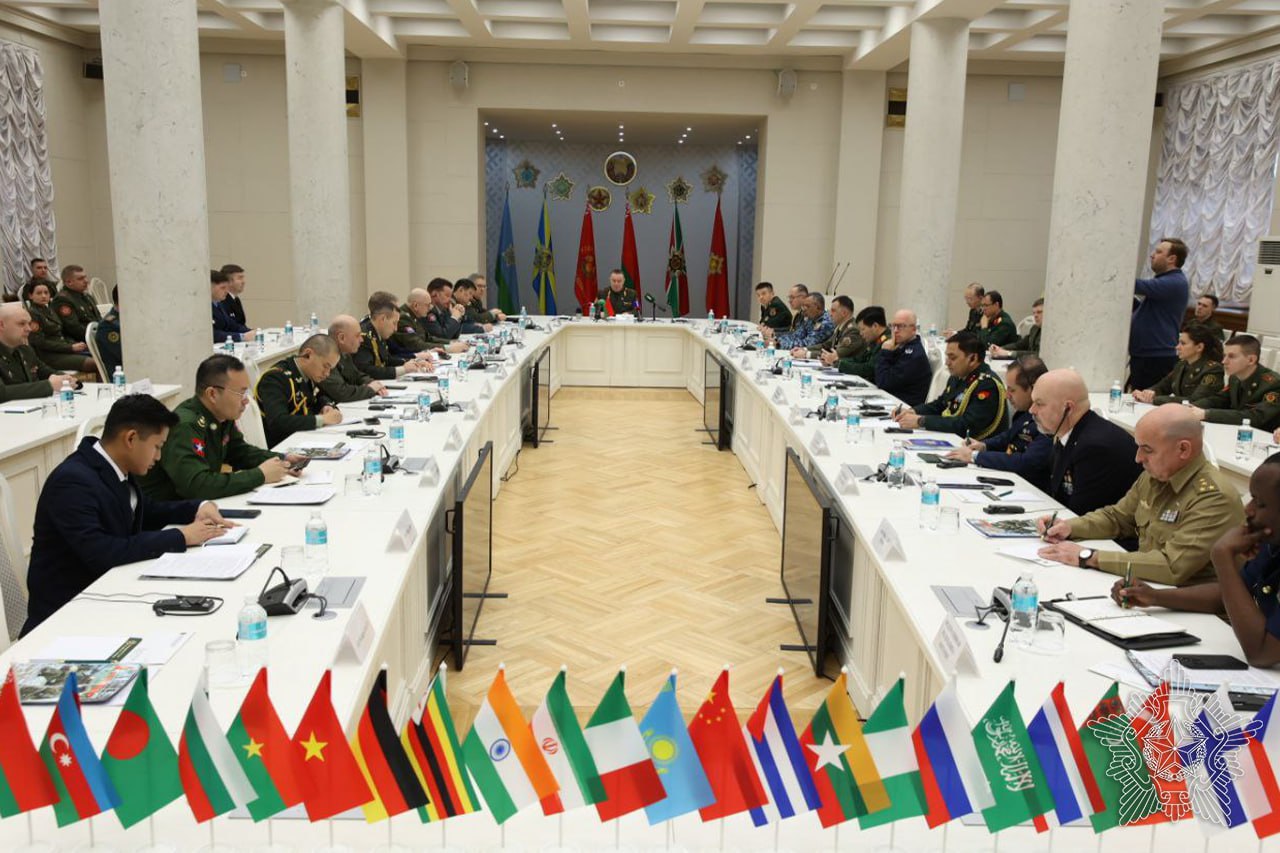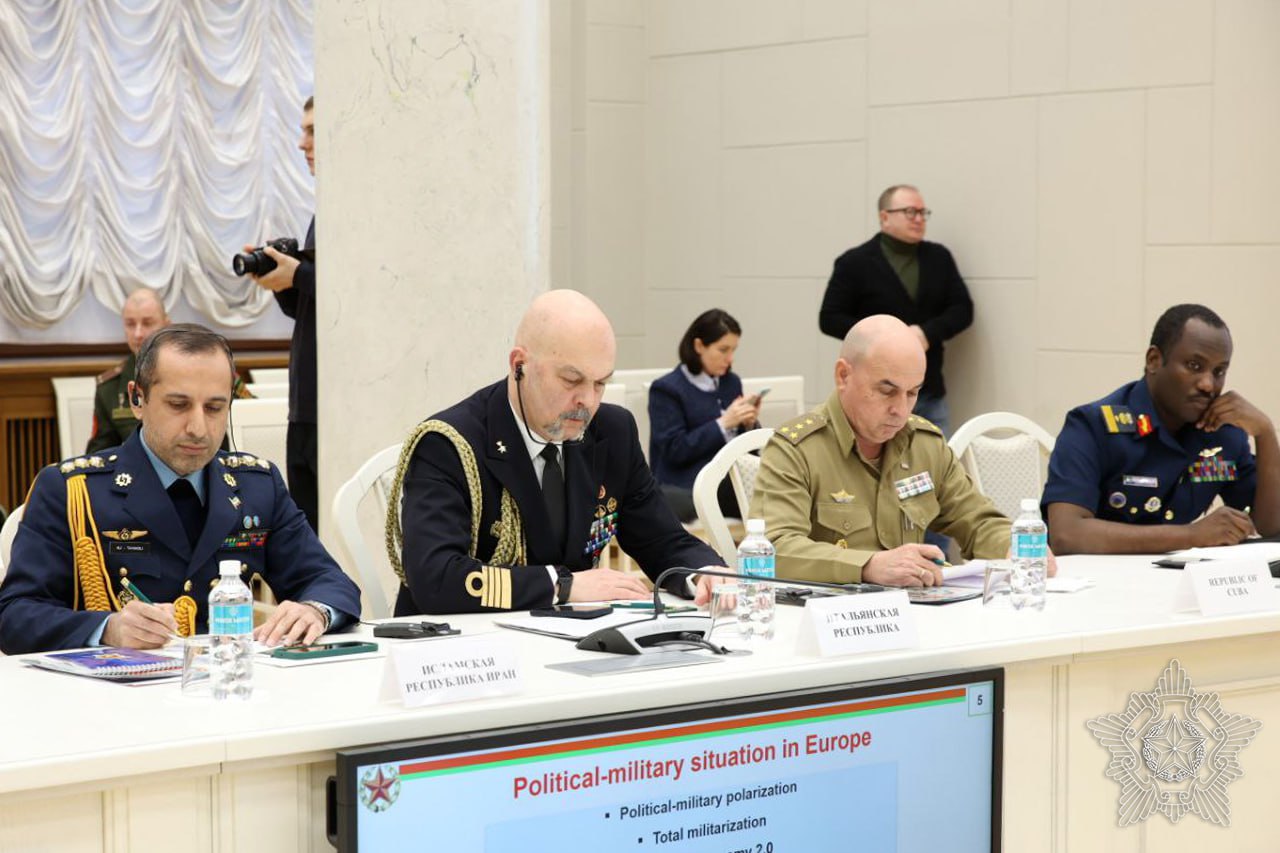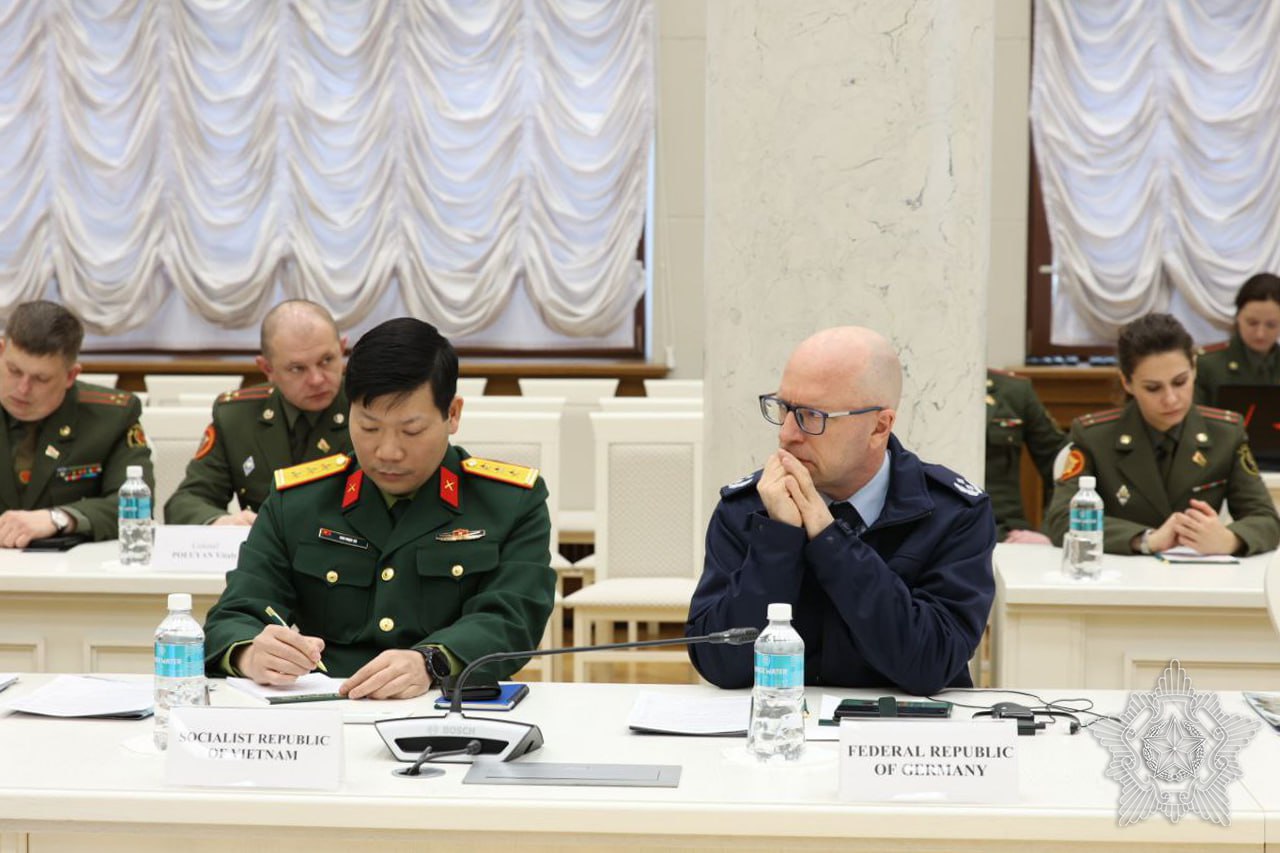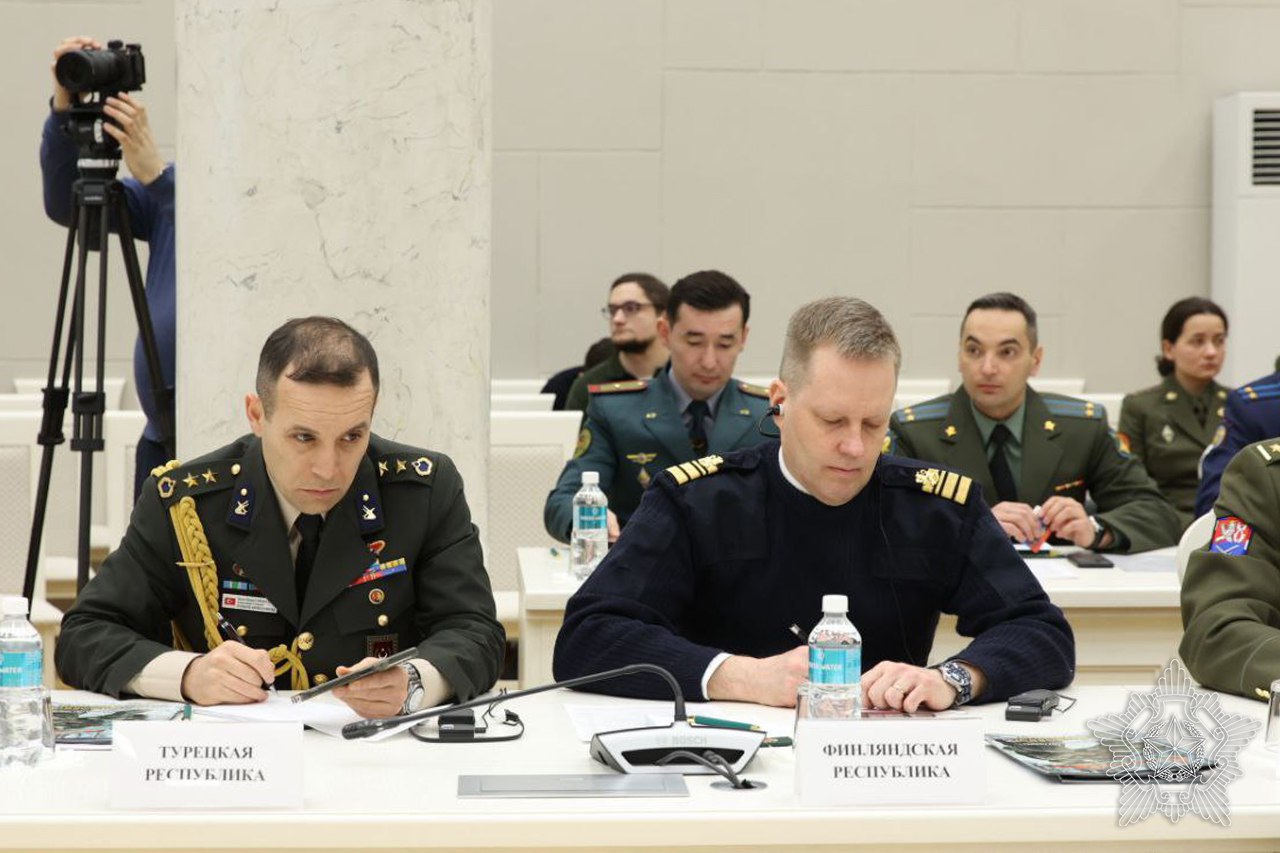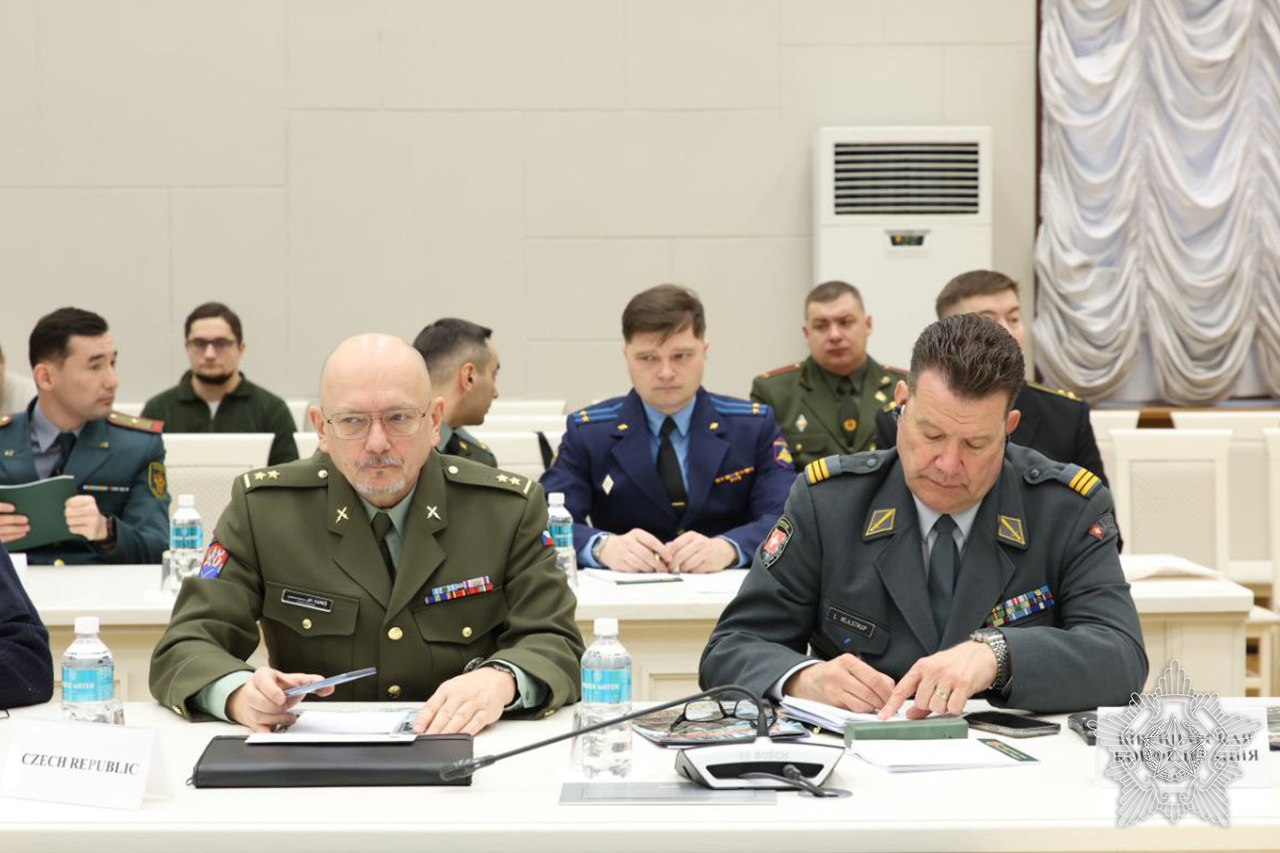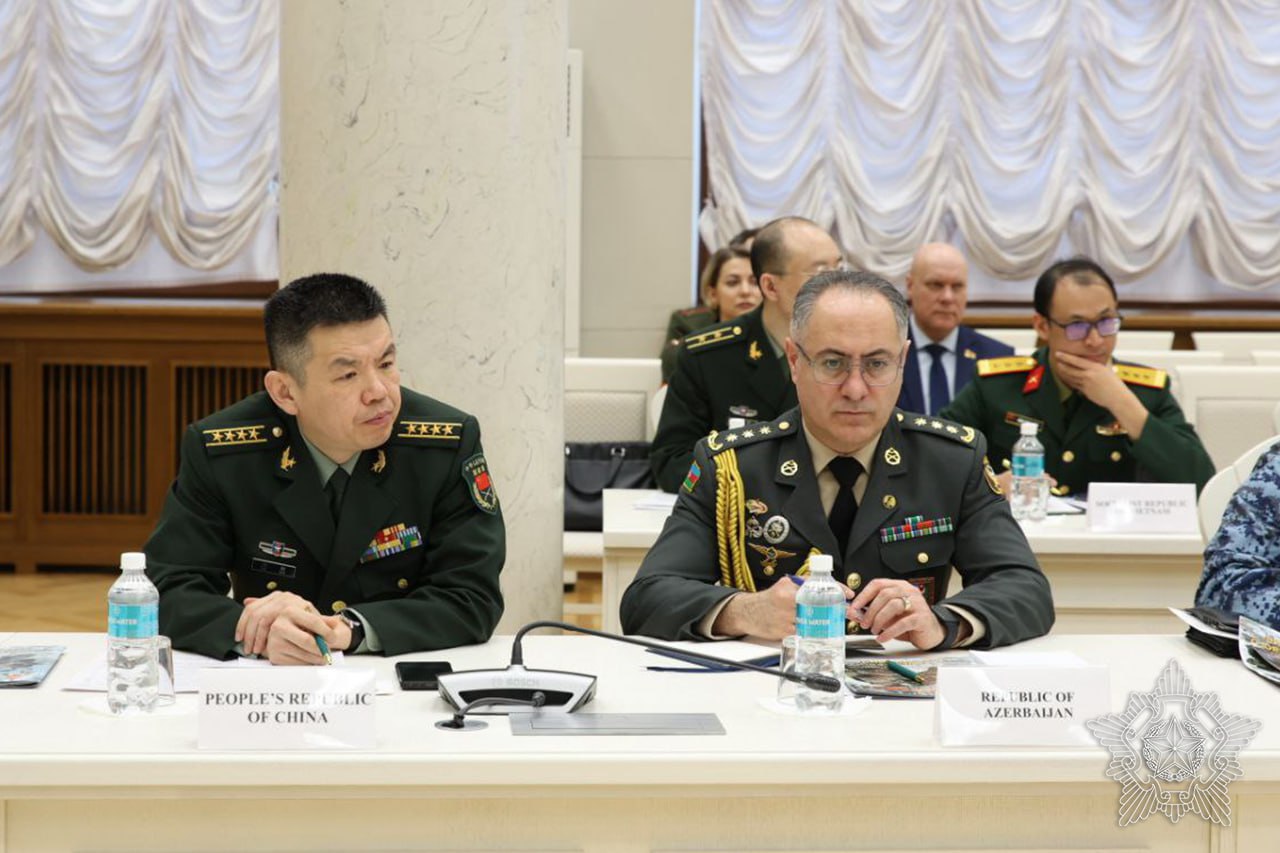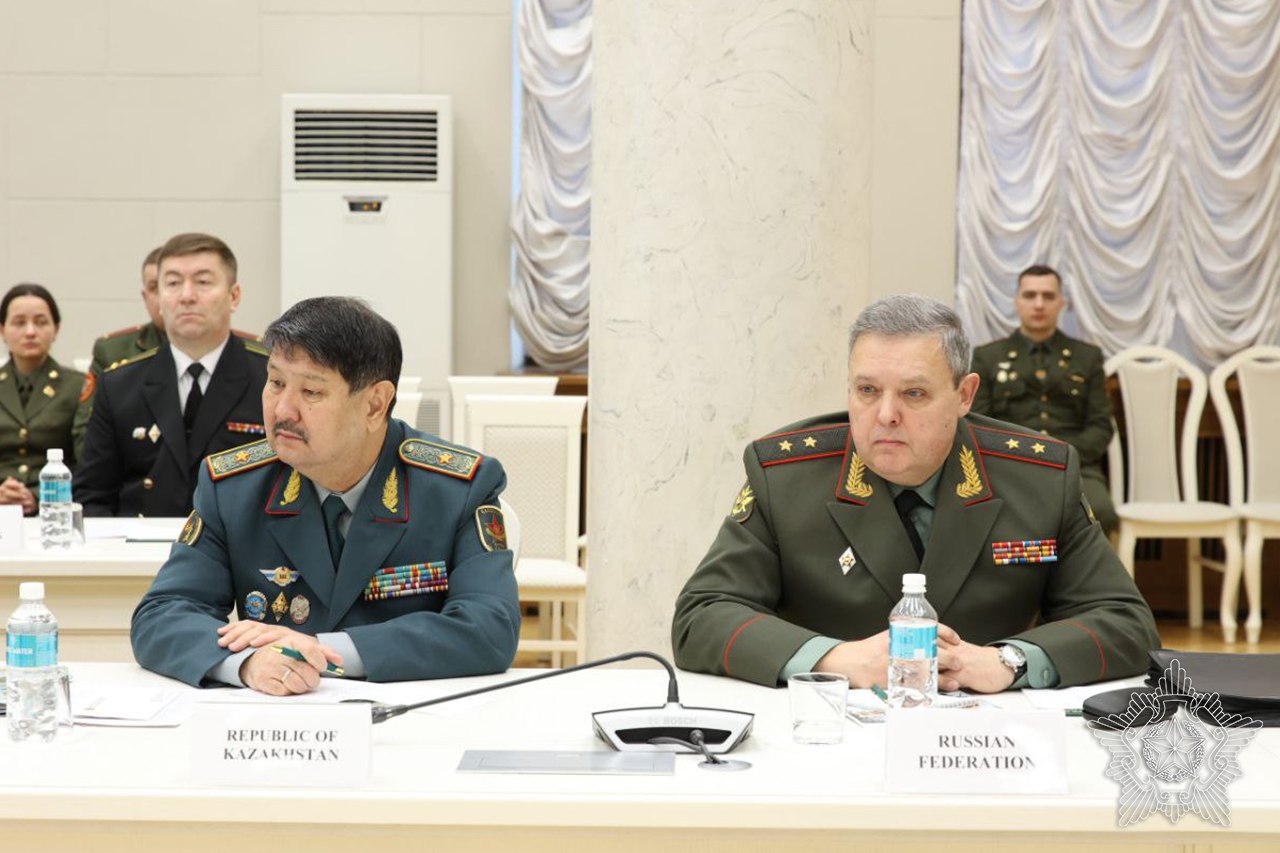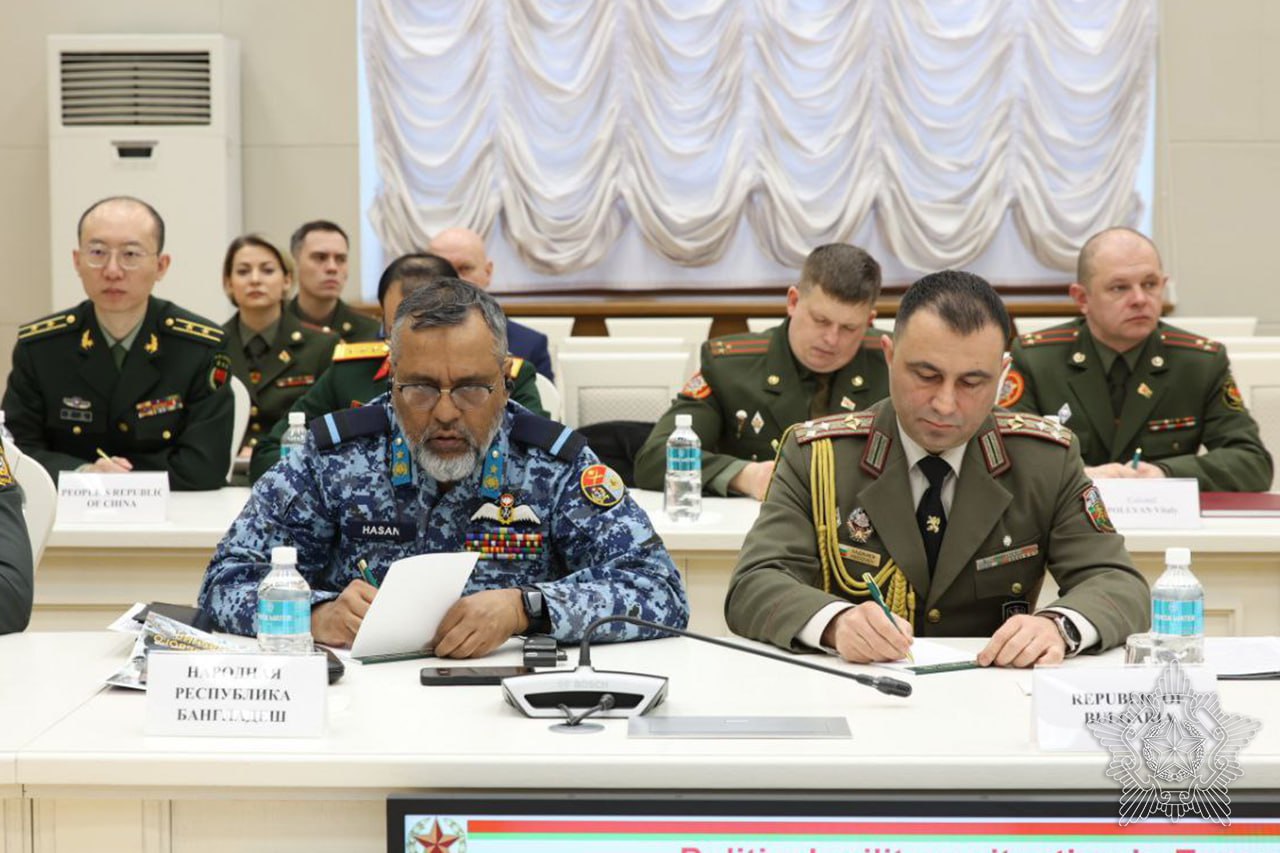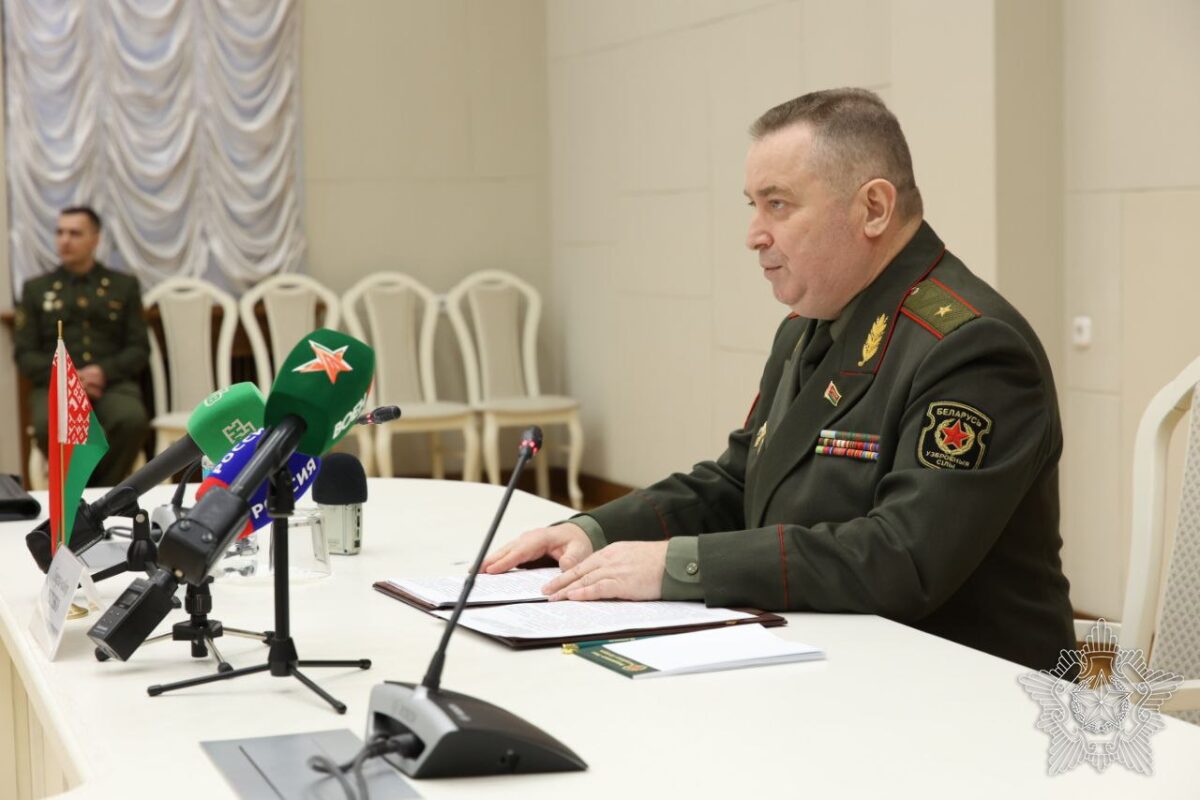
Belarus is forming an additional airborne formation and expanding its unmanned forces. This was stated by Head of the Department for International Military Cooperation and Assistant to the Minister of Defence, Major General Valery Ravenka, at an annual briefing for accredited foreign military attachés.

According to him, the development plan of the Belarusian Armed Forces for 2021–2025 envisaged the priority development of command and control systems, intelligence, electronic warfare, air defence, as well as military units and subunits of the missile forces and artillery.
“In the Armed Forces, the size of the combat component has increased, and readiness and the ability to carry out assigned tasks in peacetime strength under any conditions have improved.
In the Special Operations Forces of the Armed Forces, the formation of another airborne formation has begun.
The intensive expansion of unmanned aviation in the Armed Forces continues, along with the development of its reconnaissance and strike components.
The number of unmanned aviation units has been increased not only in special-purpose military units, but also in every mechanised and airborne brigade, where strike unmanned aviation complex units have been formed,” he said, according to the Defence Ministry’s press service.
According to Ravenka, over the past training year the troops received more than 75,000 units of various weapons, military and special equipment, and military-technical property, including Su-30SM2 aircraft, Mi-35M helicopters, Tor-M2 air defence systems, radar complexes and others.
The briefing also included political commentary by Ravenka. He stressed the Belarusian side’s readiness for dialogue along the military line. At the same time, the assistant to the defence minister stated that the system of international security has been destroyed and noted fierce competition among individual states and their allies. In his view, they are competing not so much for territory as for the ability to control energy, financial and logistical flows, as well as for control over advanced technologies and the consciousness of entire nations.
Ravenka said that the European region has turned into one of the main theatres of strategic rivalry. Europe has lost its status as a territory with a low probability of large-scale war.
“The outcomes and lessons of the Second World War have, unfortunately, been quickly forgotten. At the same time, the following processes are underway: military-political polarisation of Europe; total militarisation; the destruction of mechanisms of strategic stability and arms control,” he said.
Ravenka stated that Europe has entered a phase of creating a wartime economy, with military budgets and the output of military products increasing and strategic reserves being formed.
“In our region, the role of nuclear deterrence is once again increasing, as well as that of high-precision non-nuclear medium-range weapons. All of this means a transition from peaceful coexistence to the concept of prolonged confrontation,” he said, noting that Minsk is interested in normalising the situation in the sphere of global and regional security and in restoring an order that is uniform for all.
In the context of international military cooperation, Ravenka named the following priorities:
- maintaining a strategic level of cooperation with the Russian Federation;
- multilateral military cooperation within the CSTO, the CIS and the SCO, and cooperation with their member states on a bilateral basis;
- development of a strategic partnership with the People’s Republic of China;
- military cooperation with countries of the Middle East and North Africa, South and Southeast Asia, Africa and Latin America;
- restoration of constructive interaction along the military line with countries of the European region and with the United States.