
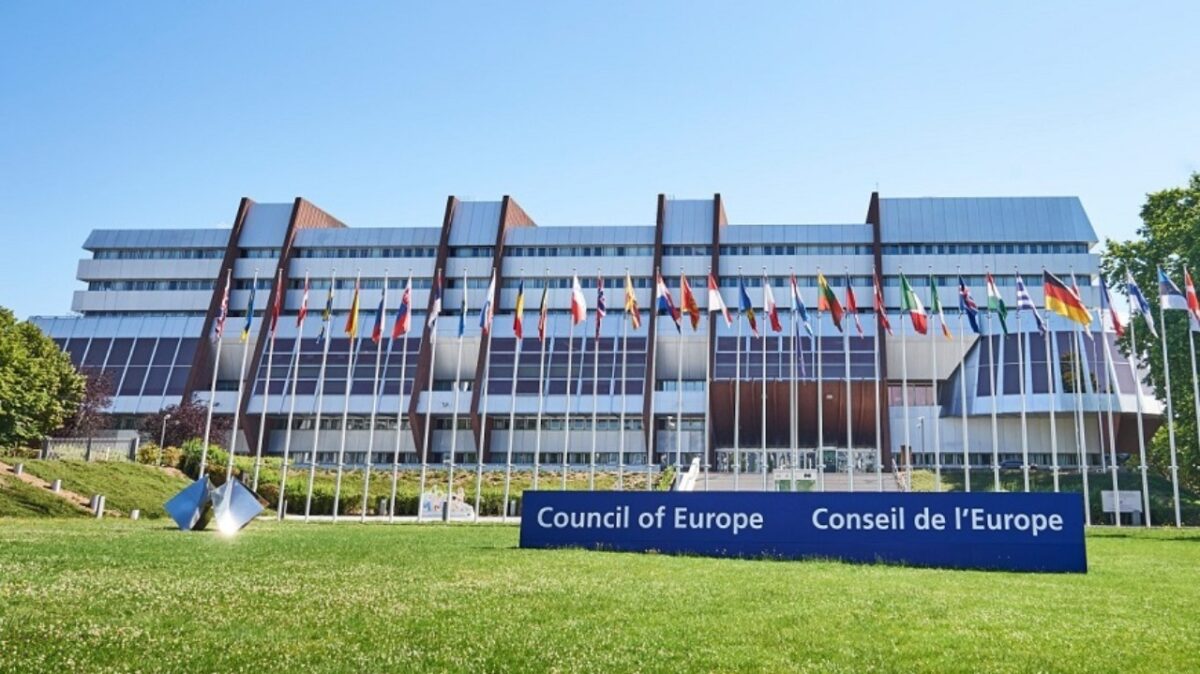
Pavel Latushka, deputy head of the United Transitional Cabinet and a delegate of the Coordination Council, held meetings with the head of the Council of Europe Office in Warsaw, Jerzy Baurski, and Germany’s ambassador to Warsaw, Miguel Berger, the United Transitional Cabinet reported.

Latushka informed Baurski about the work of the Coordination Council delegation at the Parliamentary Assembly of the Council of Europe, as well as about documents adopted by PACE at the initiative of the Belarusian delegation and amendments introduced to those documents at the proposal of Coordination Council delegates.
The sides discussed prospects for expanding cooperation both with the Council of Europe Office in Warsaw and with the Council of Europe as a whole. The talks focused on organizing meetings aimed at closer interaction on the issue of holding Aliaksandr Lukashenka accountable for committing an act of aggression against Ukraine, given that the Council of Europe initiated the creation of a Special Tribunal on accountability for the crime of aggression against Ukraine.
A Council of Europe representative said that a new action plan for cooperation with the democratic forces of Belarus is expected to be adopted in the near future, providing for the implementation of fifteen projects.
At the meeting with the German ambassador, Pavel Latushka presented information about the situation in Belarus and the ongoing repression, as well as assistance provided by the United Transitional Cabinet and human rights organizations to released political prisoners in Poland.
Latushka spoke about the economic crisis in Belarus and stressed that it had been caused by the repressive domestic and aggressive foreign policy of Lukashenka’s regime. The deputy head of the United Transitional Cabinet said that the Lukashenka regime must be given clear signals about the need to change its policies, including by strengthening sanctions against the regime.
Special emphasis was placed on the need to begin a dialogue between representatives of the current authorities and Belarusian society through a round table. This, he said, could open opportunities for overcoming the deep domestic political crisis in Belarus and preserving the country’s independence.