
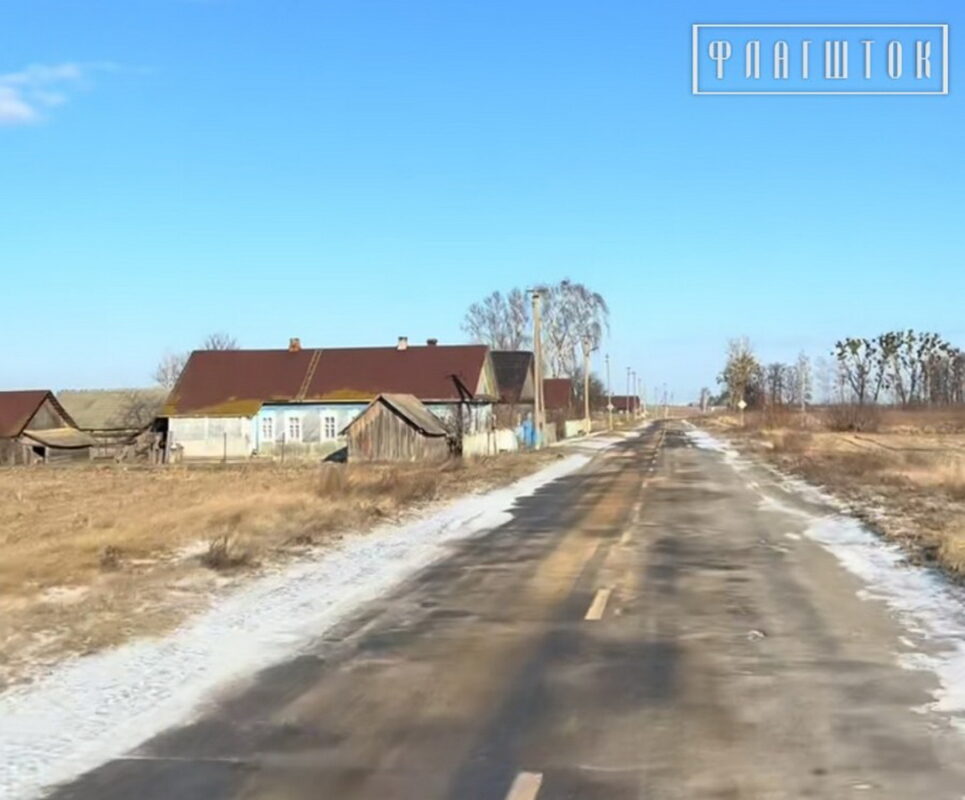
Flagstok has reported on the site being considered for the burial of radioactive waste in the Homyel Region. The site in question is the village of Navasyolki, located close to the border of the Polesie State Radiation and Ecological Reserve but not within its boundaries.

The selection of a site for the construction of a radioactive waste disposal facility for the Belarusian Nuclear Power Plant continues. Previously, three options were officially named: an area near the Belarusian Nuclear Power Plant in Astravets (Hrodna Region), sites in the Mahilyow Region, and the Polesie State Radiation and Ecological Reserve — areas near the borders with Lithuania, Russia, or Ukraine.
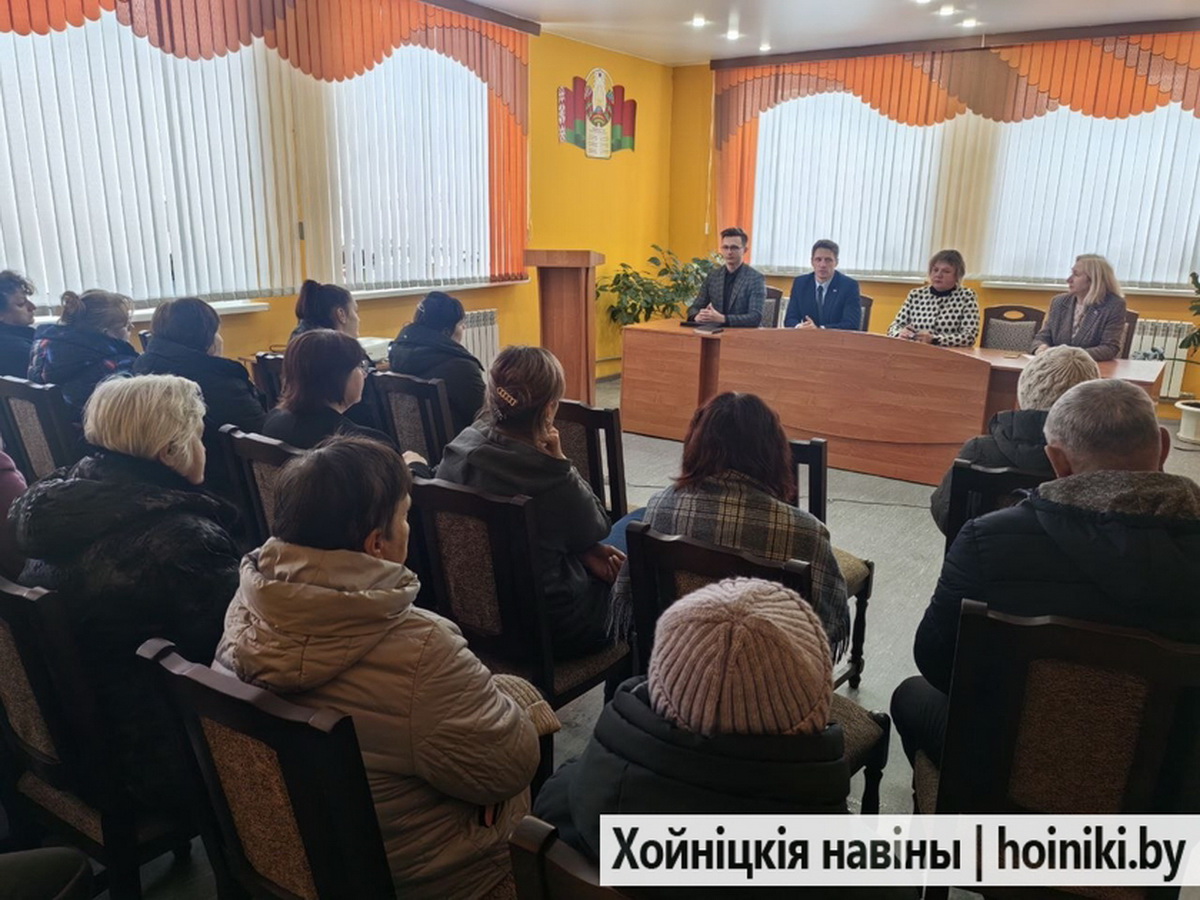
The authors drew attention to a report on a public discussion titled “An Issue of Strategic Importance — About a Safe Tomorrow,” published in the district newspaper Khoiniki News.
The report names the village of Navasyolki. It is located seven kilometers from Khoiniki, near the border of the reserve, but does not fall within it. The village did not enter the zone of mandatory resettlement and has effectively died out in recent years, the outlet notes.
Possible construction plans were discussed at a meeting with local residents by the director of the Belarusian organization for radioactive waste management, Dzmitry Logvin, and the head of the department for ideological work and youth affairs, Natallia Yeshchenka.
Participants in the discussion were told that the first stage of construction of a radioactive waste disposal and processing facility could begin by 2030, meaning that work could start as early as one to two years from now.
“One of the districts where construction of the facility is being proposed is the Khoiniki District, the territory of the village of Navasyolki. In general, it cannot be said that we have definitively determined the boundaries, plots, and sites. This is very meticulous work and a very long-term process. We must choose the safest possible site, take into account all geological and geographical features of the territory in order to then enhance the safety of this facility with engineering barriers. And most importantly, to learn the opinion of people living near this area. That is why we have entered into an open dialogue with residents of the agro-town of Strelicheva,” Logvin said.
He also “suggested that those present think seriously before making such an important decision — and for his part promised to return in order to talk in more detail and substantively.” The newspaper did not cite the views of local residents.
Earlier it was reported that the construction of the facility would require an area of approximately one square kilometer.
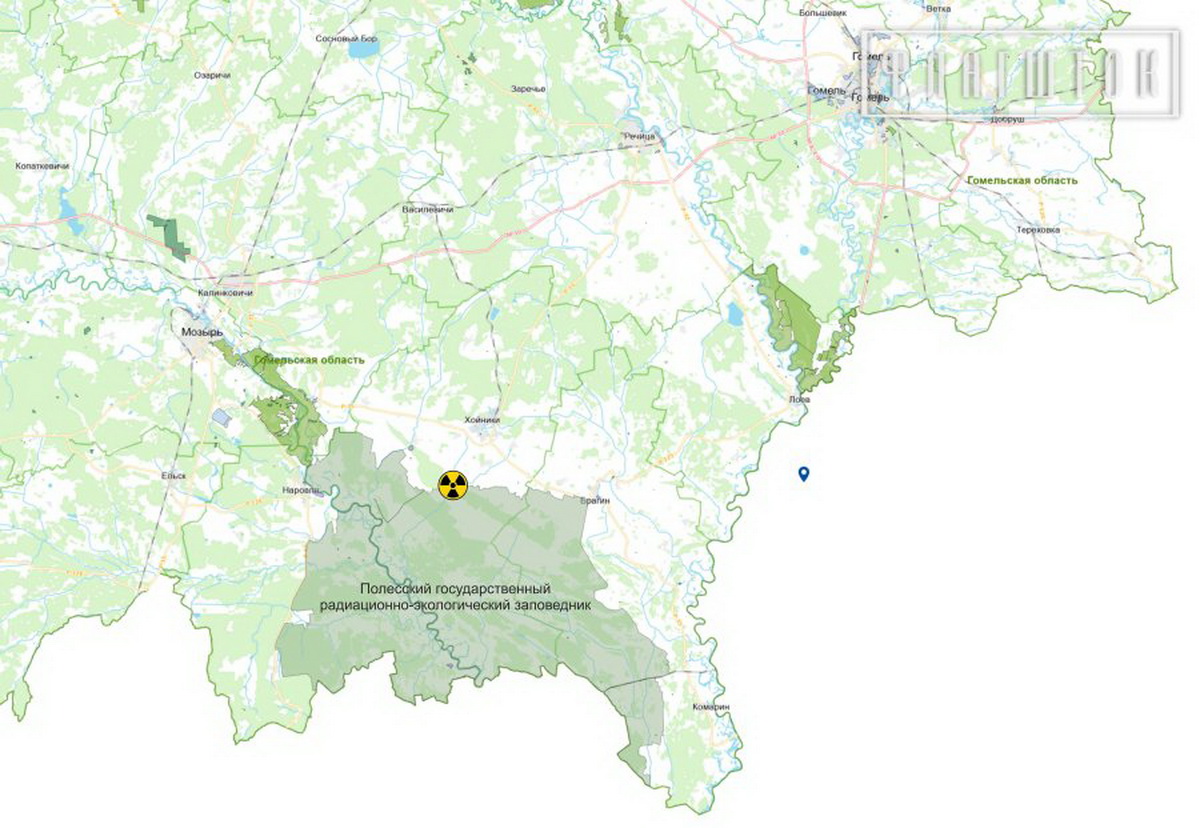
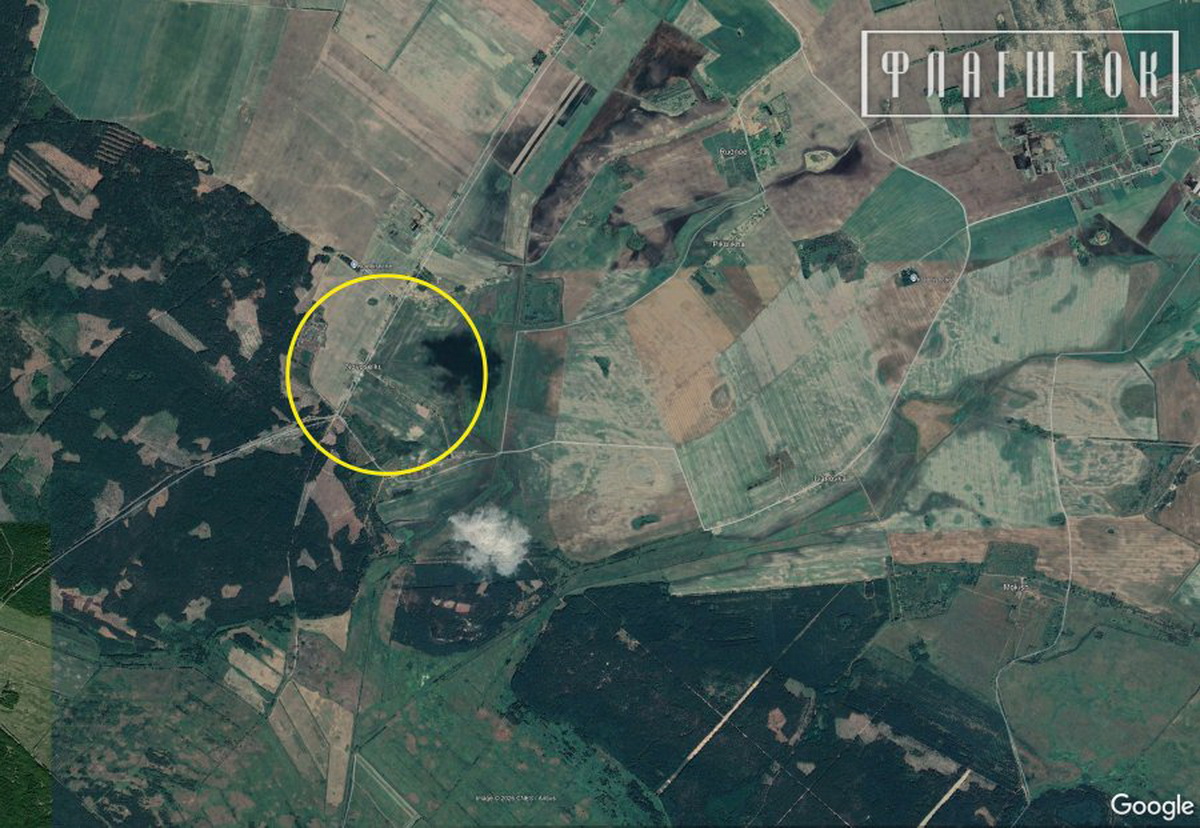
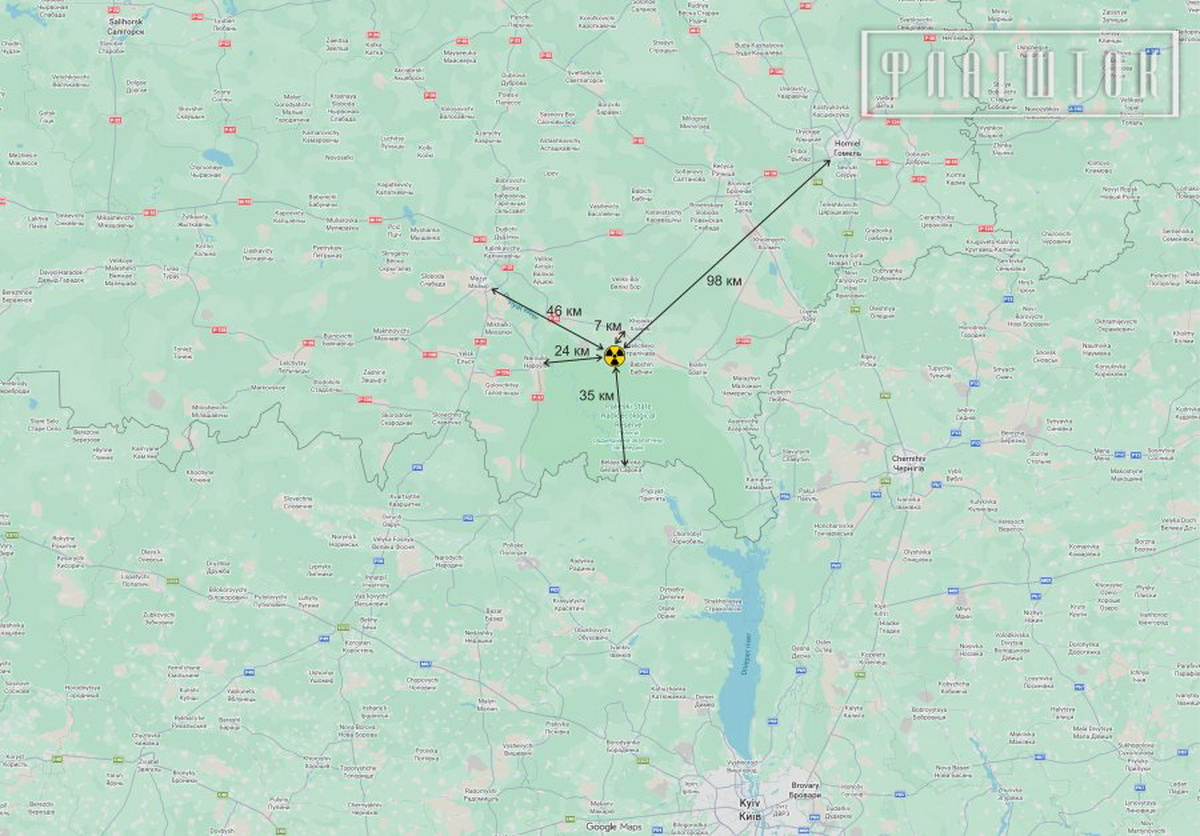
Flagstoke infographic: the burial of radioactive waste’s location on the map