
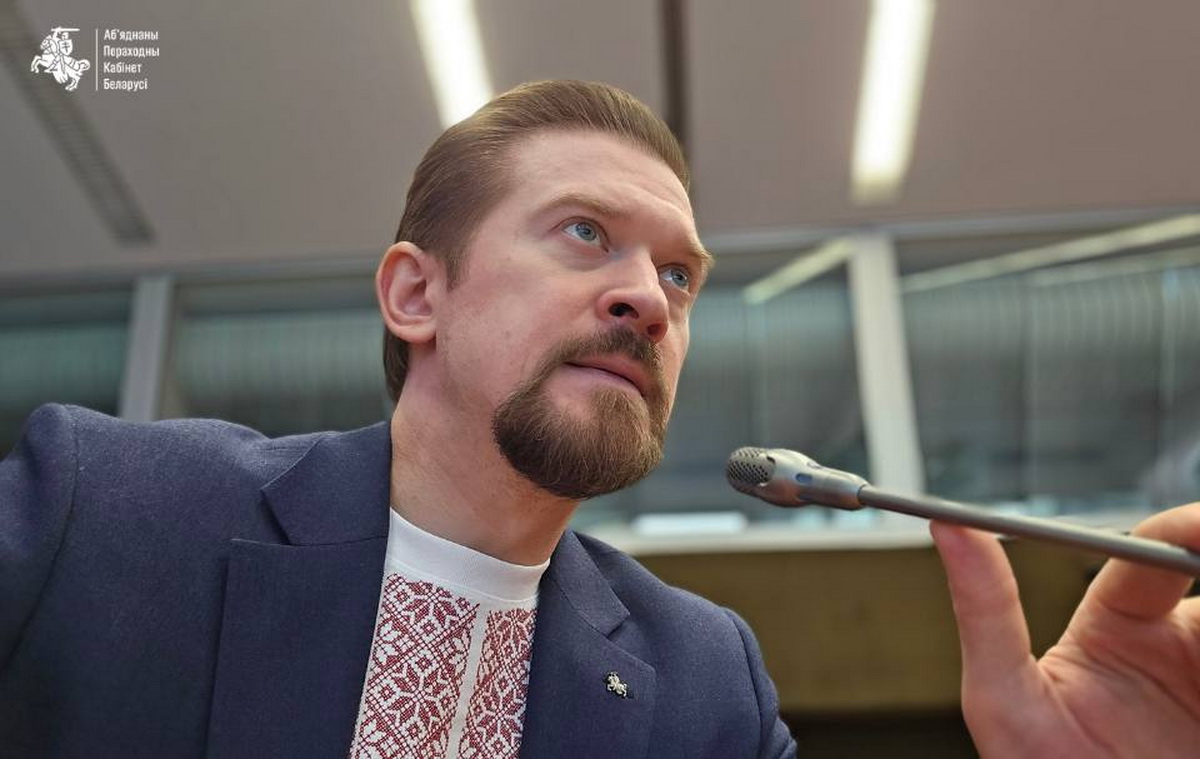
Valery Matskevich, a member of the Coordination Council delegation to the Parliamentary Assembly of the Council of Europe and head of the office of the United Transitional Cabinet, raised the issue of mobility for Belarusians and the visa restrictions they face during a PACE session.
Matskevich noted that since 2020, Belarusian citizens have been issued more than 950,000 first residence permits in European Union countries, not including those with humanitarian visas and refugees whose cases are still under consideration.
“This is not ordinary migration. These are not people seeking a better life. This is the largest forced displacement of Belarusians in modern history,” the politician said, stressing that these are people who protested against the regime, lost their jobs, were detained or faced persecution.
According to him, the visa issue is not about comfort, but about the ability to see loved ones and maintain ties with society. Matskevich described the situation as “a dangerous paradox”, as people who support democracy and oppose Russian aggression have less access to Europe.
As the press service of the United Transitional Cabinet reported, he proposed a number of measures:
– accelerated processing of visa applications for relatives of Belarusians who have already received protection or residence permits in the EU;
– introduction of an official invitation mechanism so that Belarusians in the EU can invite their relatives;
– simplified access to visas for Belarusians in third countries, including Georgia and Armenia, even without local residence permits;
– expansion of humanitarian and family visas with a focus on family reunification and support for vulnerable groups.
“Today we face a choice: will Belarusian society remain part of Europe or be pushed into Russia’s orbit? The answer is clear: a flexible and effective visa policy,” Matskevich said.