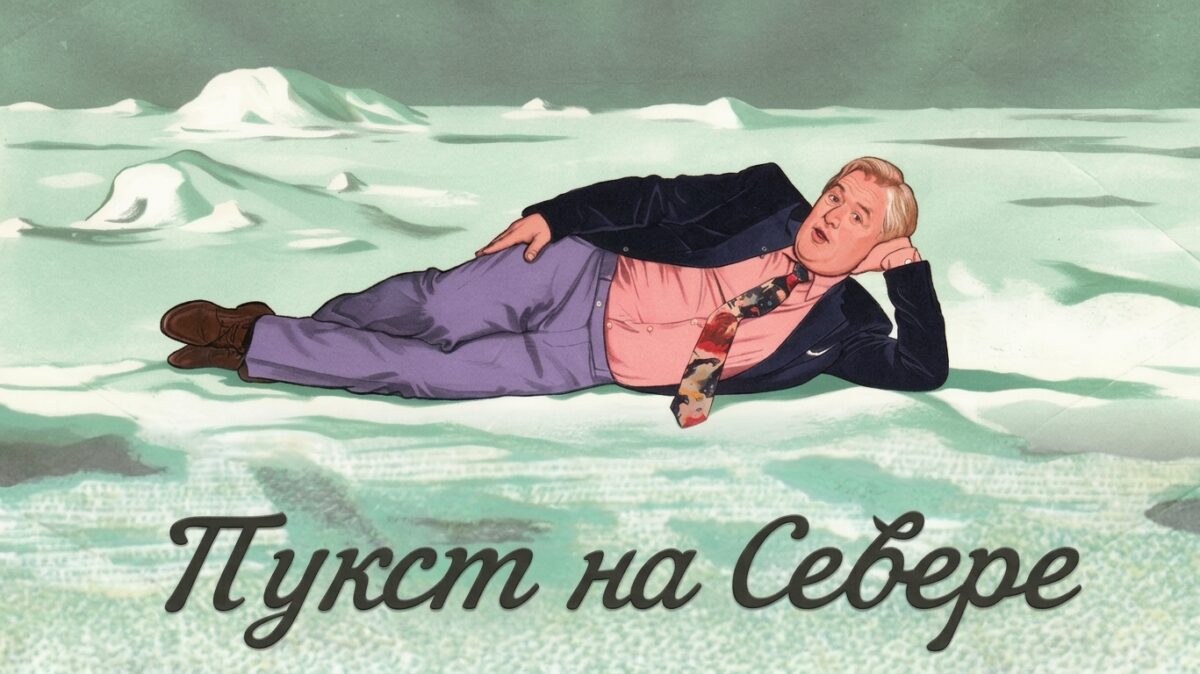
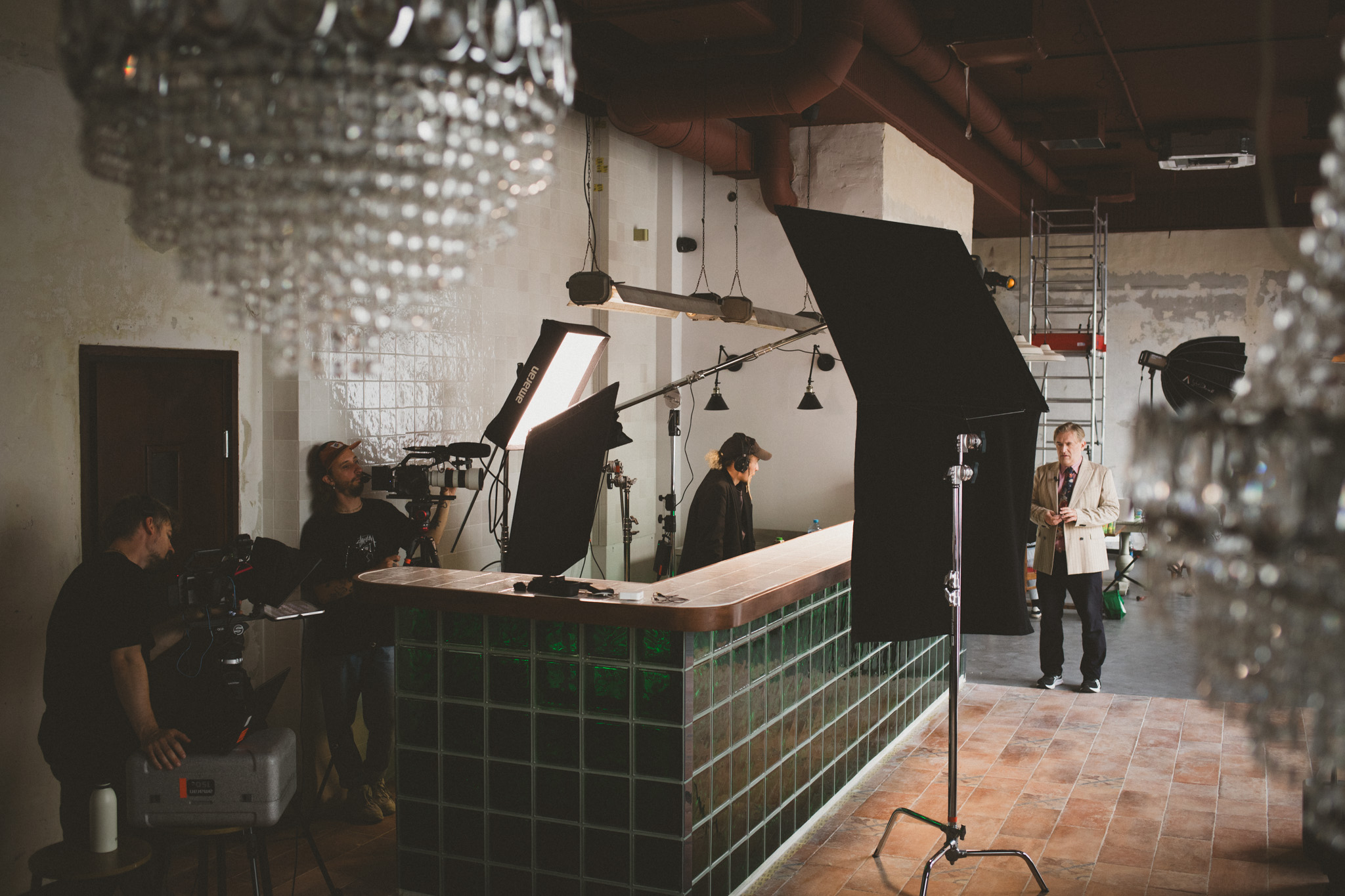
On September 30, the documentary series “Pukst in the North” will premiere on the YouTube channel “Sasha, What Are You Talking About?!” In five episodes, Belarusian musician, artist and performer Siarhei Pukst tells how Northern Europe became part of independent Belarus’s life — through music and literature, cultural exchanges, travel, art and unexpected personal encounters. The project is directed by Belarusian documentary filmmaker Artsiom Lobach, a graduate of the Academy of Arts in Minsk and Andrzej Wajda School in Warsaw. The series was filmed at the Warsaw bar Redakcja, a new cultural space created by the Reform.news team.

This is neither a chronological account of diplomatic relations nor a traditional historical film. “Pukst in the North” is a subjective documentary essay in which major history is reflected through one person’s memories. Pukst recalls trips to Finland, Belarusian artists in Denmark, the Scandinavian music of his childhood, literary translations, cultural misunderstandings and the people who helped Belarus and the countries of Northern Europe discover one another.
The series was created by Reform.news with the support of the Nordic Council of Ministers.

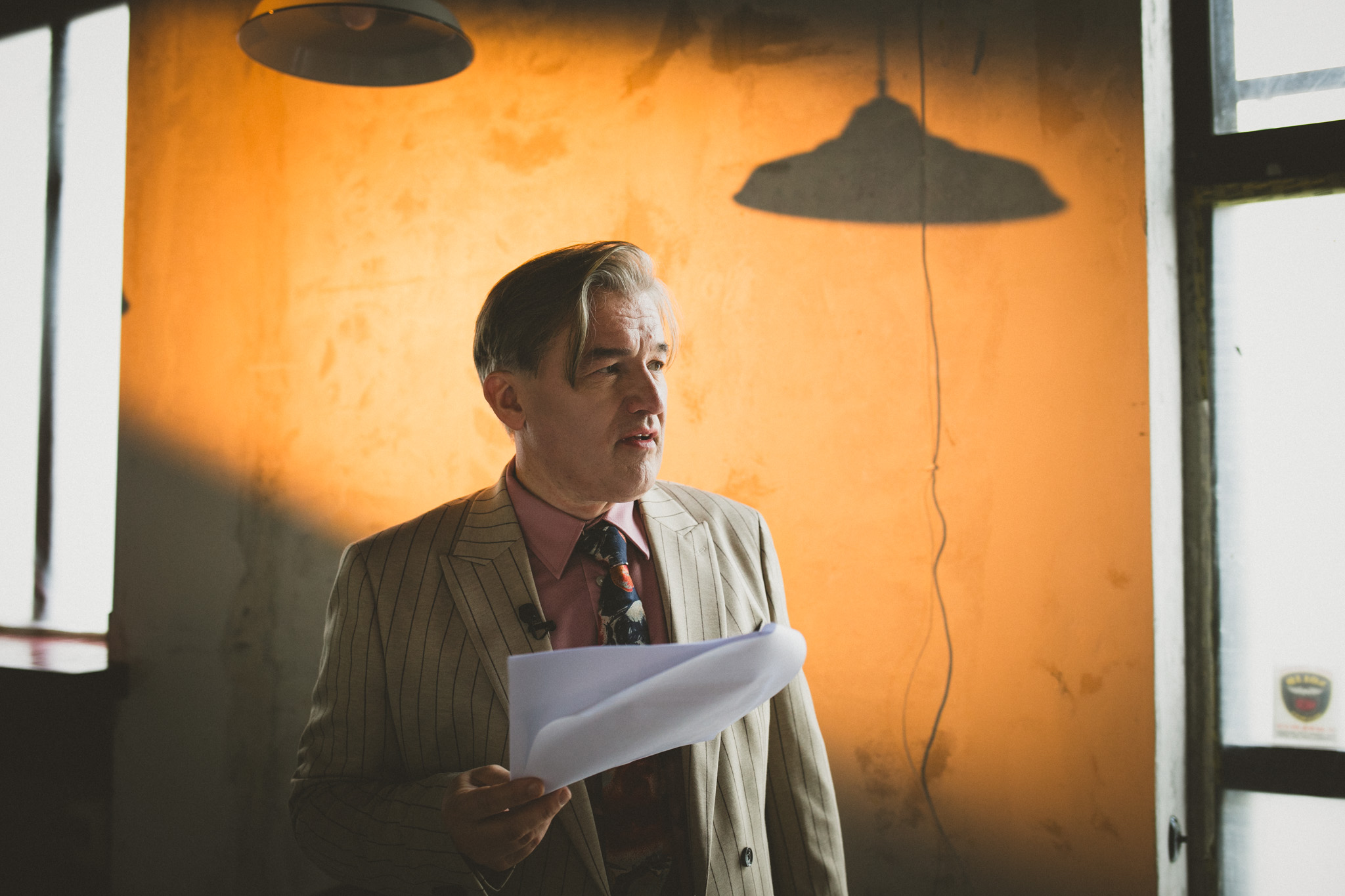
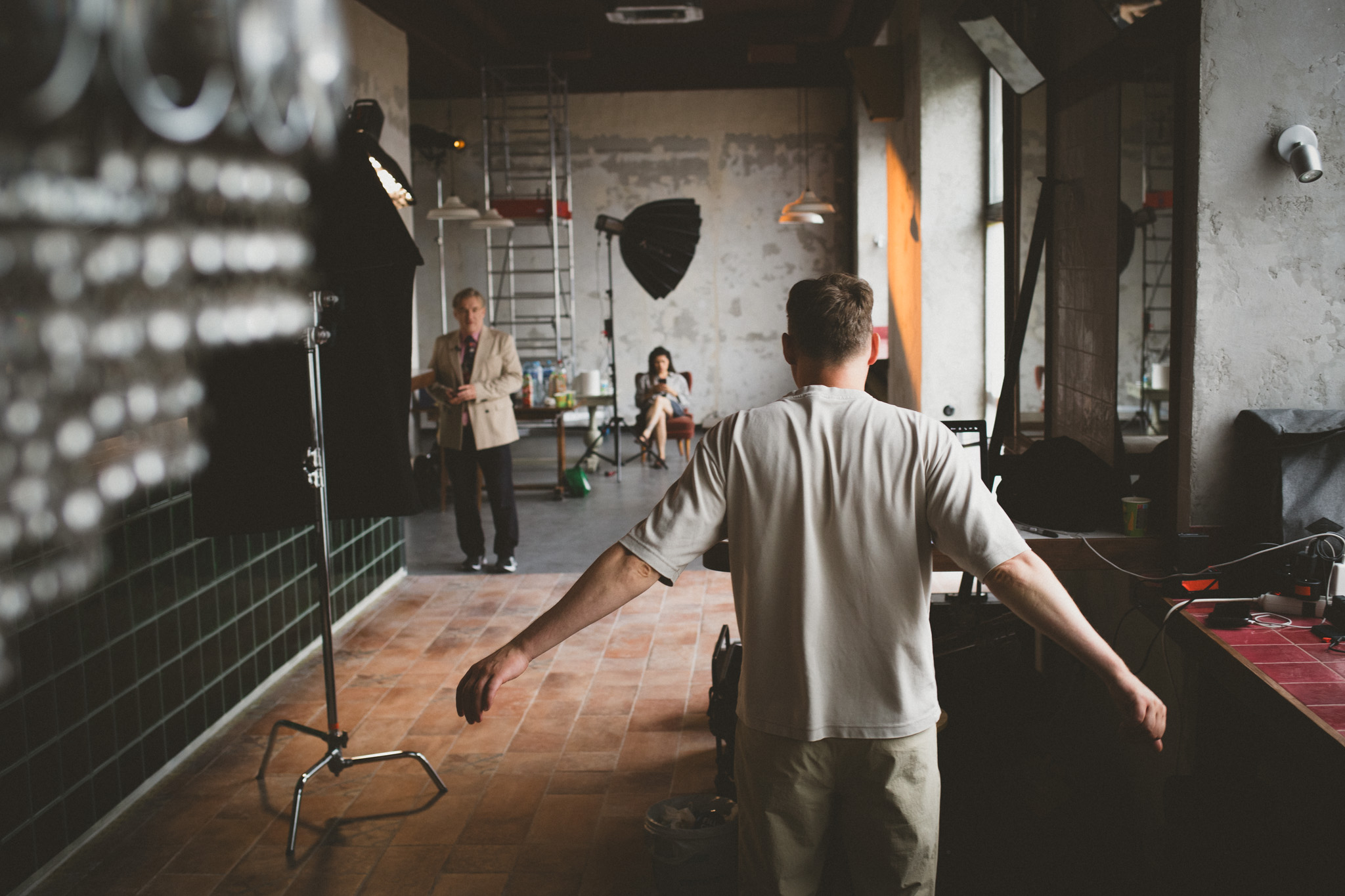
Why We Decided to Tell This Story
After gaining independence, Belarus rebuilt its relations with European countries while also searching for its own political and cultural language — and, literally, its own Belarusian language. Ties with Northern Europe became part of this process.
The Nordic countries supported cultural and educational programs, literary translations, independent civic initiatives and international exchanges. Belarusian musicians, writers, translators and artists traveled north, took part in festivals and exhibitions, and found partners and new audiences there. Diplomats, directors and cultural figures also came to Belarus, where getting to know Belarusian society became a discovery for them as well.
The Reform.news editorial team wanted to revisit this experience and discuss it not through the language of official dates and protocol meetings, but through people, their memories and cultural traces. This is how a series emerged about how relations between countries are shaped not only at the state level, but also through translations, concerts, conversations, chance encounters and encounters with unfamiliar ways of life.
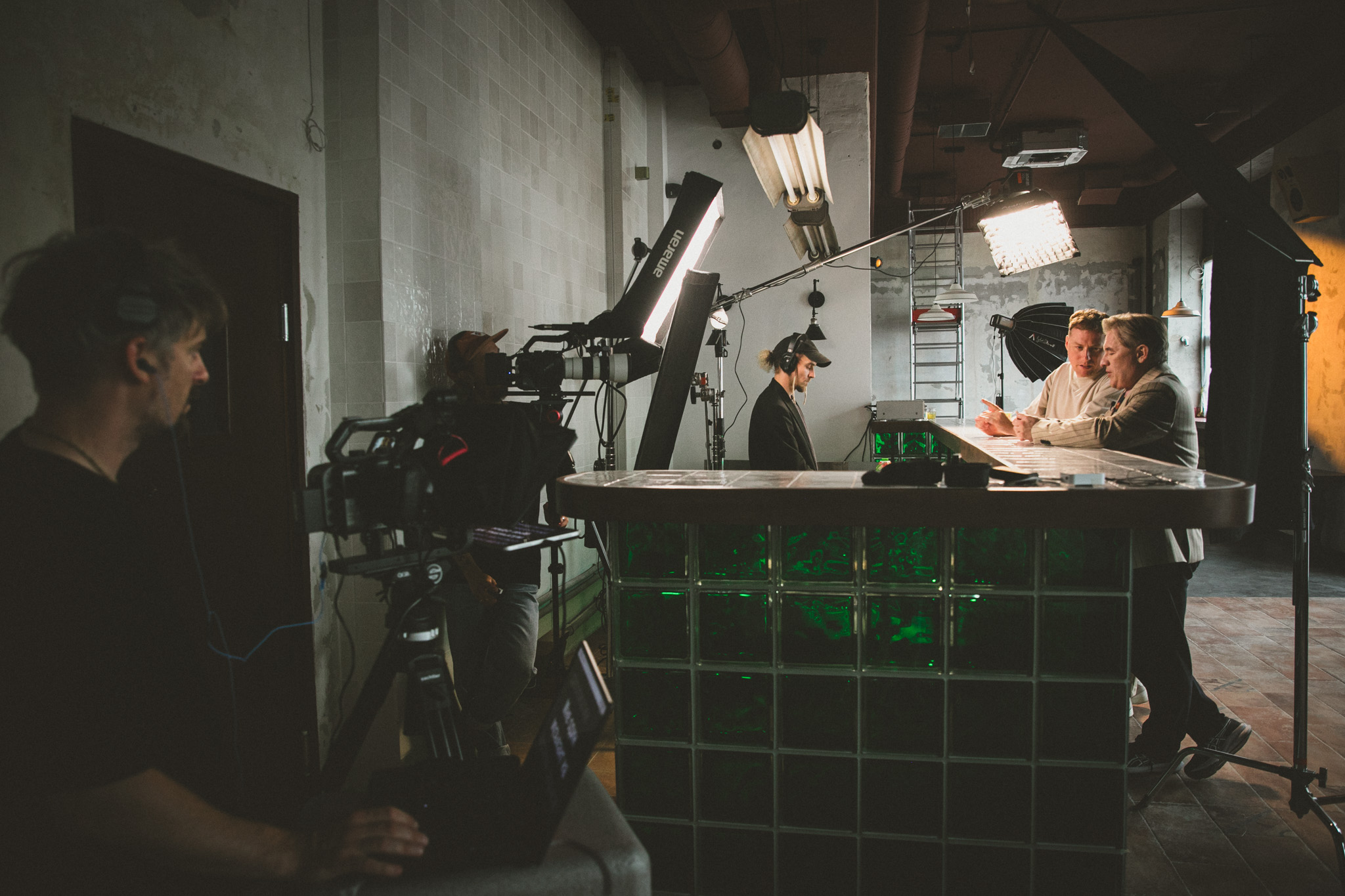

Why Siarhei Pukst Became the Narrator
Siarhei Pukst witnessed this period firsthand. As a musician and performer, he took part in the cultural life of independent Belarus, collaborated with Belarusian artists and performed in the Nordic countries. His own biography intersects with many of the series’ themes: the underground art scene of the 1990s, international festivals, literature, music and Belarus’s search for its place in Europe.
Pukst talks about the North without tourist admiration or diplomatic caution. His perspective is ironic, at times provocative and always deeply personal. Scandinavia constantly changes shape in his account: at first it seems like an unattainable realm of freedom and prosperity, then it is disconcerting in its reserve, directness and unfamiliar rules — and ultimately reveals itself as a world where respect and care are expressed primarily through concrete actions.
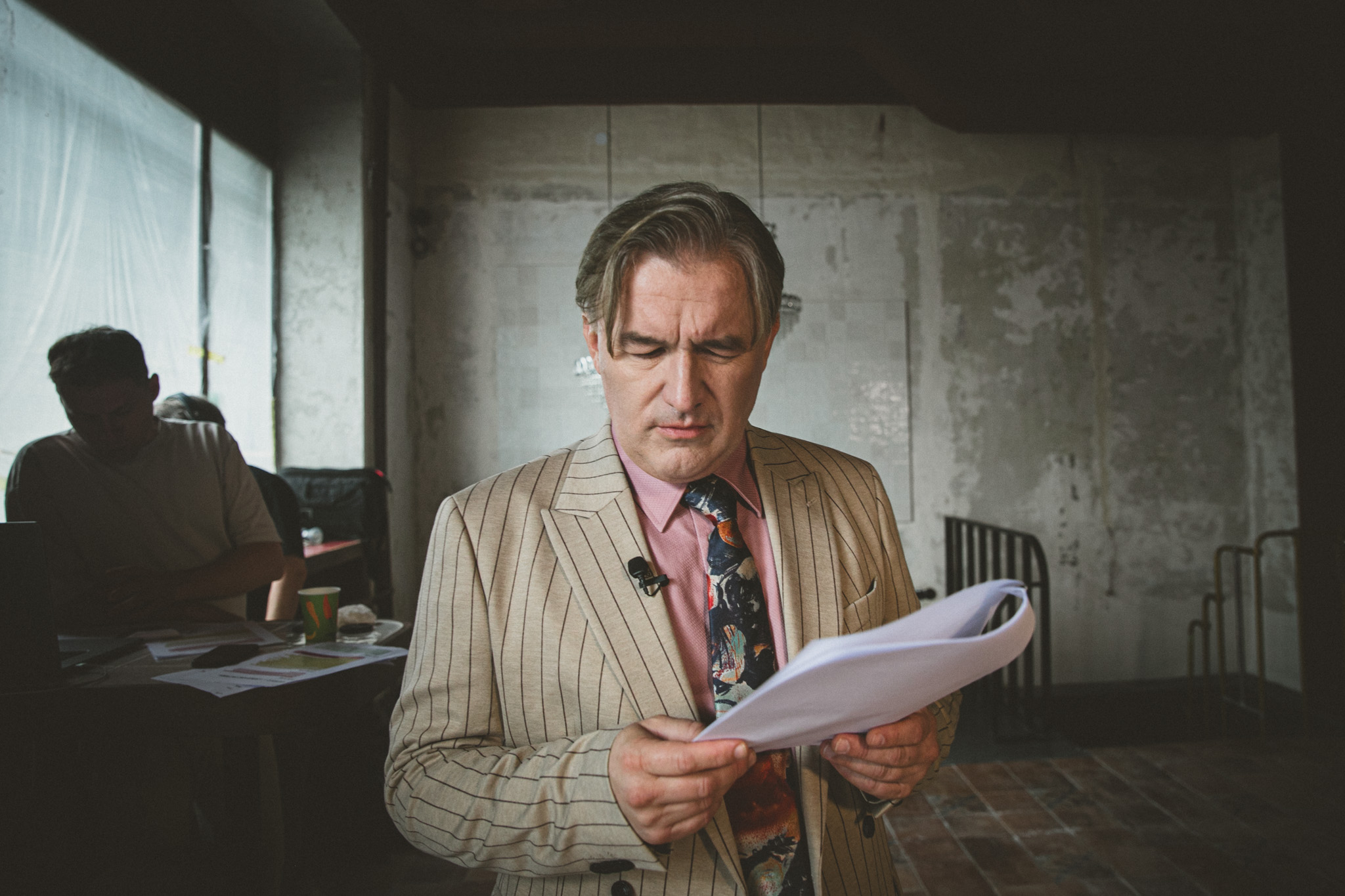
First-Person Documentary
The project was initially conceived as a series of films about relations between independent Belarus and the Nordic countries in various areas — culture, public life and politics. However, the inability to work freely in Belarus and limited access to archives required a different artistic approach.
Instead of a traditional documentary reconstruction, the creators chose the form of an authorial monologue. Historical events are placed alongside personal memories, music alongside everyday observations, and serious discussion alongside absurdity and self-irony.
Pukst does not attempt to speak on behalf of all of Belarus and does not offer definitive conclusions about Northern Europe. He assembles his own map of the North — from Finnish silence, Swedish music, Danish art, literary translations, diplomatic stories and cultural shocks. As a result, the series becomes less a story about countries than a reflection on freedom, personal boundaries, cultural identity and the ability to see oneself through encounters with others.
Five Episodes About Belarus’ Encounter With the North
Episode One
The starting point is Siarhei Pukst’s trip to Finland and an unexpected invitation to a festival of Dadaist art. It is a story about a clash of temperaments, Finnish silence, a cultural misunderstanding and a Belarusian artist’s attempt to understand an audience that reacts in a completely different way from what he is accustomed to.
Episode Two
Why does Finnish reserve not necessarily mean indifference? How does the design of Alvar Aalto move from museums into everyday life? Pukst reflects on functionality, personal independence and care that is expressed not through words, but through the ability to calmly solve a problem and not interfere with another person’s life.
Episode Three
The episode takes viewers back to the early 1990s — a time of independence, artistic freedom and the first international ties. At the center of the story is the Belarusian creative association “Belarusian Climate,” whose members presented new Belarusian art in Denmark before cultural diplomacy became a familiar concept.
Episode Four
Scandinavian literature translated directly into Belarusian helped break free from the Soviet Russian language as an intermediary. The episode features translators, writers and directors, while a single letter in the name of Pippi Longstocking becomes an occasion to discuss cultural independence, Vasil Bykau, Sviatlana Alexievich and Belarusian-Swedish ties.
Episode Five
ABBA, Astrid Lindgren, Ingmar Bergman, Lars von Trier, Swedish diplomats and Finnish musicians come together to form a contradictory portrait of the region. Pukst recalls how the idealized image of a calm and prosperous Scandinavia gradually gave way to a more complex reality — direct, pragmatic, sometimes gloomy, but based on respect for the individual.
Comments From the Creators
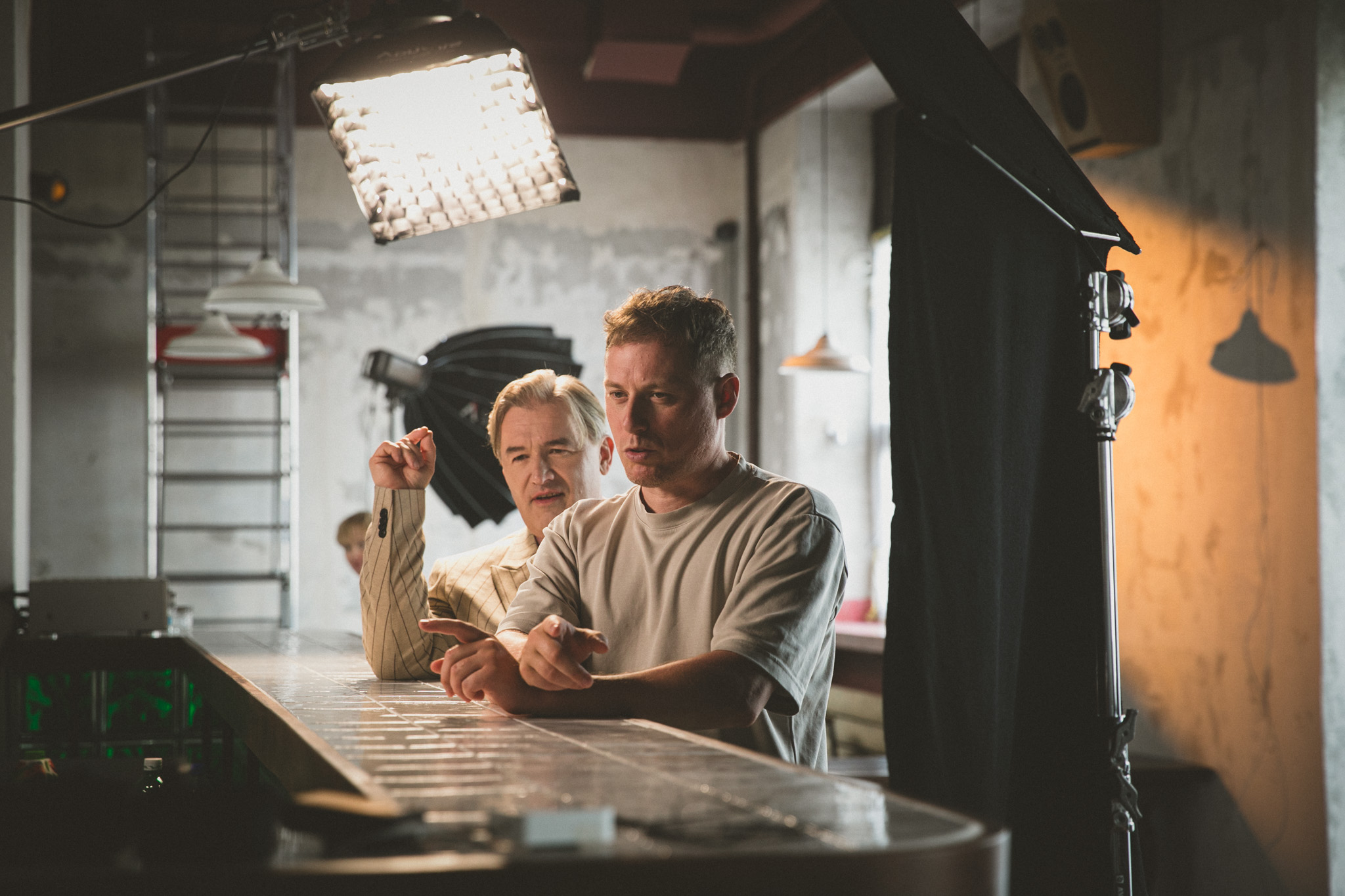
Artsiom Lobach: “Sergei and I have known each other for a long time and have worked on various projects. In particular, we filmed an episode of Belsat Music Live with him. So when I learned that he would be the narrator in this project, I understood that we needed to build on his already established stage persona and not try to impose anything on him. On the contrary, we tried to emphasize his individuality in everything and, of course, to break up the monologues with musical performances — something Sergei is particularly good at.
From the very beginning, I understood that the personal story of experiencing new things in the Nordic countries could be interestingly presented using AI tools. And since Sergei constantly takes us in his stories to the 2000s, the 1990s or even the Soviet Union, I wanted the aesthetics of these visualizations to also evoke something familiar from those periods. That is how the idea of drawing on the design of “Bear in the North” candies emerged — the project’s title itself alludes to this.”

Where to Watch
The first episode of the “Pukst in the North” project will be released on September 30, 2026, on the “Sasha, What Are You Talking About?!” YouTube channel. New episodes will be released every Wednesday:
- September 30 – first episode;
- October 7 – second episode;
- October 14 – third episode;
- October 21 – fourth episode;
- October 28 – fifth episode.
Episode announcements and additional behind-the-scenes materials will be published on the Reform.news website and on our social media accounts.
YouTube: https://www.youtube.com/@nesesh
Instagram: https://www.instagram.com/reform.news/
Production Team
Scriptwriter and host – Siarhei Pukst
Director – Artsiom Lobach
Director of Photography – Andrei Slavinski
Camera Operator – Aliaksei Skidan
Gaffer – Pavel Viltouski
Production – Reform.news, with the support of the Nordic Council of Ministers, 2026.