
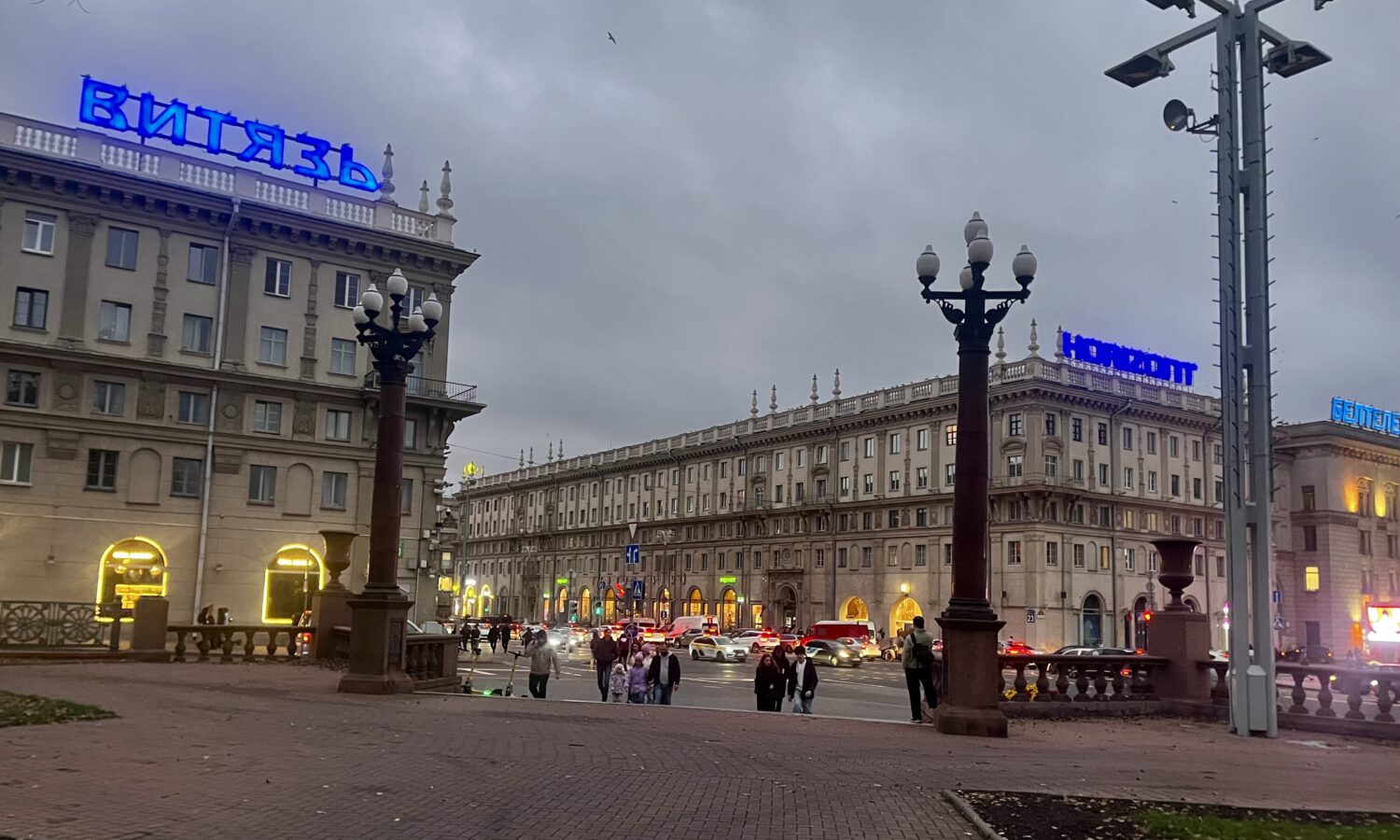

Contraband Notes From Belarus: “Urban Myths and Other Minsk News”
Reform.news Editorial Team · 15 November 2026, 15:40
https://reform.news/en/contraband-notes-from-belarus-urban-myths-and-other-minsk-news/Today we are launching a new format — “Contraband Notes From Belarus.” Once a month, our brave contributors will write a column from the country about City M and life there. Places and names are concealed, but the emotions and reflections are not. In today’s first piece, Stefka from the Avenue talks about what has become part of Minsk’s urban “folklore.” What do Minsk’s urban myths and other news look like?
***
Autumn had only just begun. The sky had not yet been covered by three domes of clouds, and there was no drizzle hitting my face. It was sunny and warm. I had been invited to a café for the opening of an exhibition accompanied by a mini-concert, and I decided to go. Besides, the performers were new, which was interesting in itself.
Groups of people had already gathered at the entrance. They were smoking, chatting, drinking coffee and something from bottles and thermoses they had brought with them — well, the usual scene. There were quite a lot of people inside. I knew some of them, but most were strangers to me. The concert began. The performance was rather theatrical, eccentric and loud. The music was played to a backing track, while the lead singers and the café’s painted walls bombarded the audience with dense texts about the relationship between individuals, the world and society. I thought that I wished one of the neighbours would call the police.
Suddenly, I noticed a young man I see at almost every event in Minsk. At concerts, he always dances lightly, snapping his fingers, and never takes off his dark glasses. What is more, I had even seen him at a punk concert, sitting in a corner in dark glasses in almost complete darkness. “That’s it,” I thought. “I’m going to find out who this person is once and for all.”
“Hello. I’ve decided to introduce myself and find out who you are.”
“I’m Dzima.”
“What do you do, Dzima? Are you perhaps a musician or an artist? I’ve been seeing you at all kinds of cultural gatherings for the past five or six years.”
It turned out that Dzima was some kind of manager. He had nothing to do with music or culture, but never missed a cultural event because he saw them as something that gave meaning to his life.
“And what do you do?” he asked me. At that very moment, I caught myself thinking that this man seemed like a suspicious observer.
What could be strange about someone being a regular at events? There have always been people like that. Why did I suddenly feel uneasy?
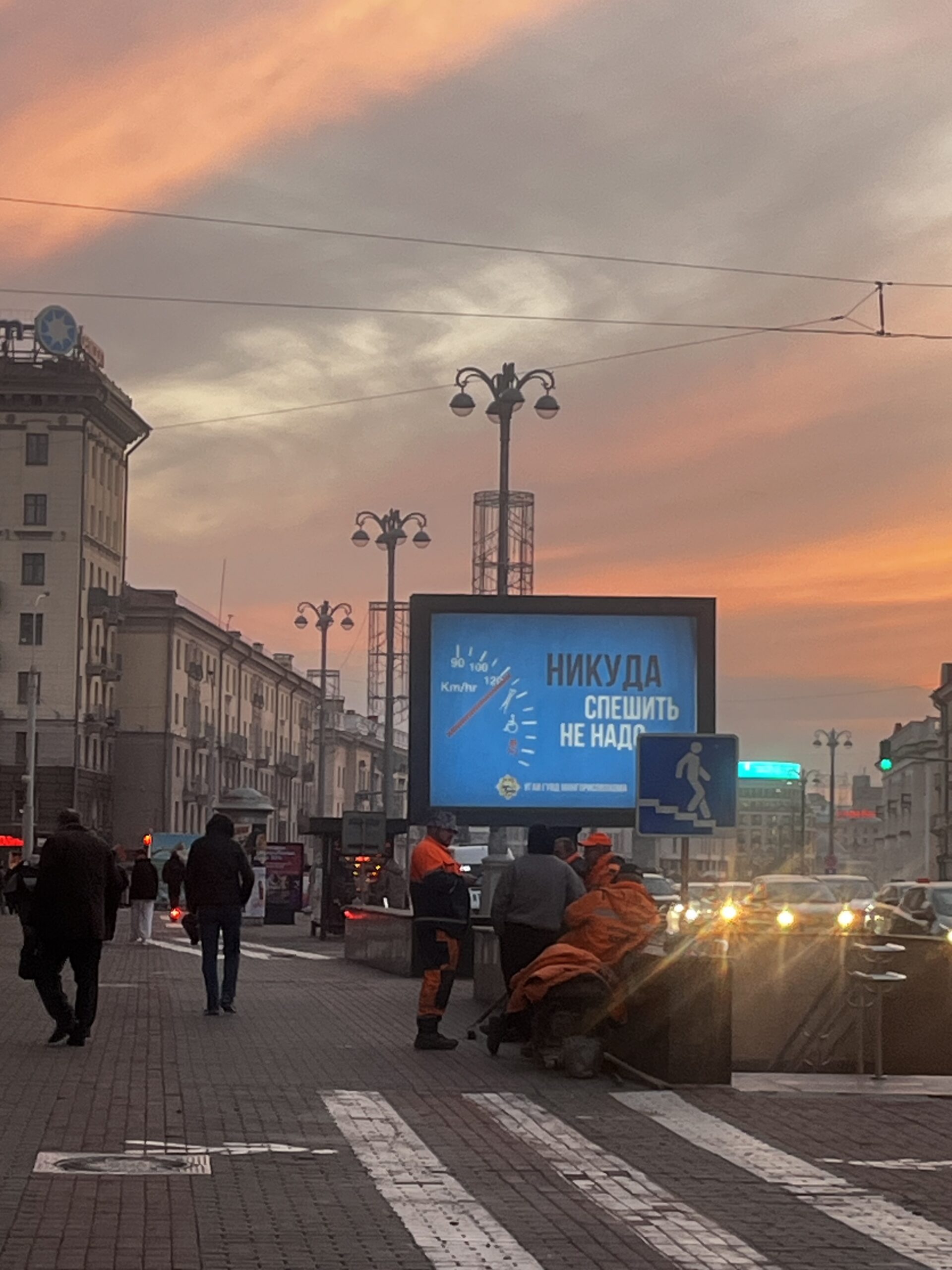
The point is not Dzima himself, but the fact that today even a person’s ordinary presence in a particular place can arouse suspicion. And this applies not only to people. In Minsk, you constantly hear stories in which something hidden is revealed behind seemingly ordinary events. For example, stories about places being shut down. They usually go something like this:
“Have you heard the story about why that café / club closed? It was a good place, people used to go there, everything seemed to be working fine, and then — just like that — it shut down. It turned out that the owner had some compromising material on him from 2020. And that was that: the business was seized, and the owner was either jailed or managed to leave the country. It’s not clear which.”
Another version of the story about closed venues revolves around anonymous denunciations:
“Someone had wanted to get their hands on the place for a long time, and then a convenient opportunity came along.”
No one really knows which version is true, but everyone invariably has a friend who knows someone personally acquainted with the former owner.
Stories about anonymous denunciations are not limited to business rivals. The same plot can be heard in connection with any profession or area of life. The stories feature neighbours, colleagues, friends and acquaintances. The ending is always the same: dismissal, a business being shut down, or an inability to continue working.
Stories about why certain places open follow precisely the opposite logic: a place exists or has opened and, for some reason, does not close but instead thrives because its owner has connections. The story then continues along the lines that the owner is either part of the security services, has ties to the KGB, or has a son-in-law, in-law or brother who is — in short, “they have the right people on their side. Otherwise, how do you explain the fact that everything around them is closing while they keep operating?” The details vary, of course, but the essence is always the same: nothing here works without a reason.
Stories about agents usually begin with a trip abroad. For example, someone travels to an event, exhibition or conference and runs into an acquaintance who has left Belarus. They talk, have coffee and exchange news. Then the person returns home — and that is when things begin. It soon turns out that they were being followed, that the acquaintance was an agent, that information was passed on somewhere, and that the person may now be in trouble. Who exactly revealed this is usually left unspecified, but the source is, as always, reliable.
There is also an opposite version. If someone has left the country but continues to visit Belarus, something must be wrong with them. No one travels back and forth for no reason. They must have reached an agreement with someone, signed something, and perhaps be cooperating with the security services. And it makes absolutely no difference who the person is — an acquaintance of an acquaintance, a former colleague or someone you have seen only a couple of times in your life. The very fact that they return is suspicious. In short, if they have left, no one knows what they are doing there; if they come back, that is even more suspicious.
I have heard that Belarusians living abroad say similar things about those who travel from Belarus to visit them. Apparently, we are all agents here… Isn’t that amusing?
The stories about closed establishments, “the right connections,” agents and suspicious returns have several distinctive features. First, the same message keeps recurring: behind the visible side of urban life, there is supposedly another world, hidden from outside view.
Second, there is the anonymous source — someone told someone, heard something, an acquaintance passed something on, and so on — which makes it impossible for you to verify the stories.
The third and fourth features are recurring plots and the present tense. Perhaps these stories have already become something like urban myths, and Minsk residents are piecing together the myths of Minsk in 2026 from everyday observations, fragments of information and other people’s accounts? A kind of urban folklore of the first quarter of the 21st century?
And is it possible that these stories give the city something it lacks in its official image?
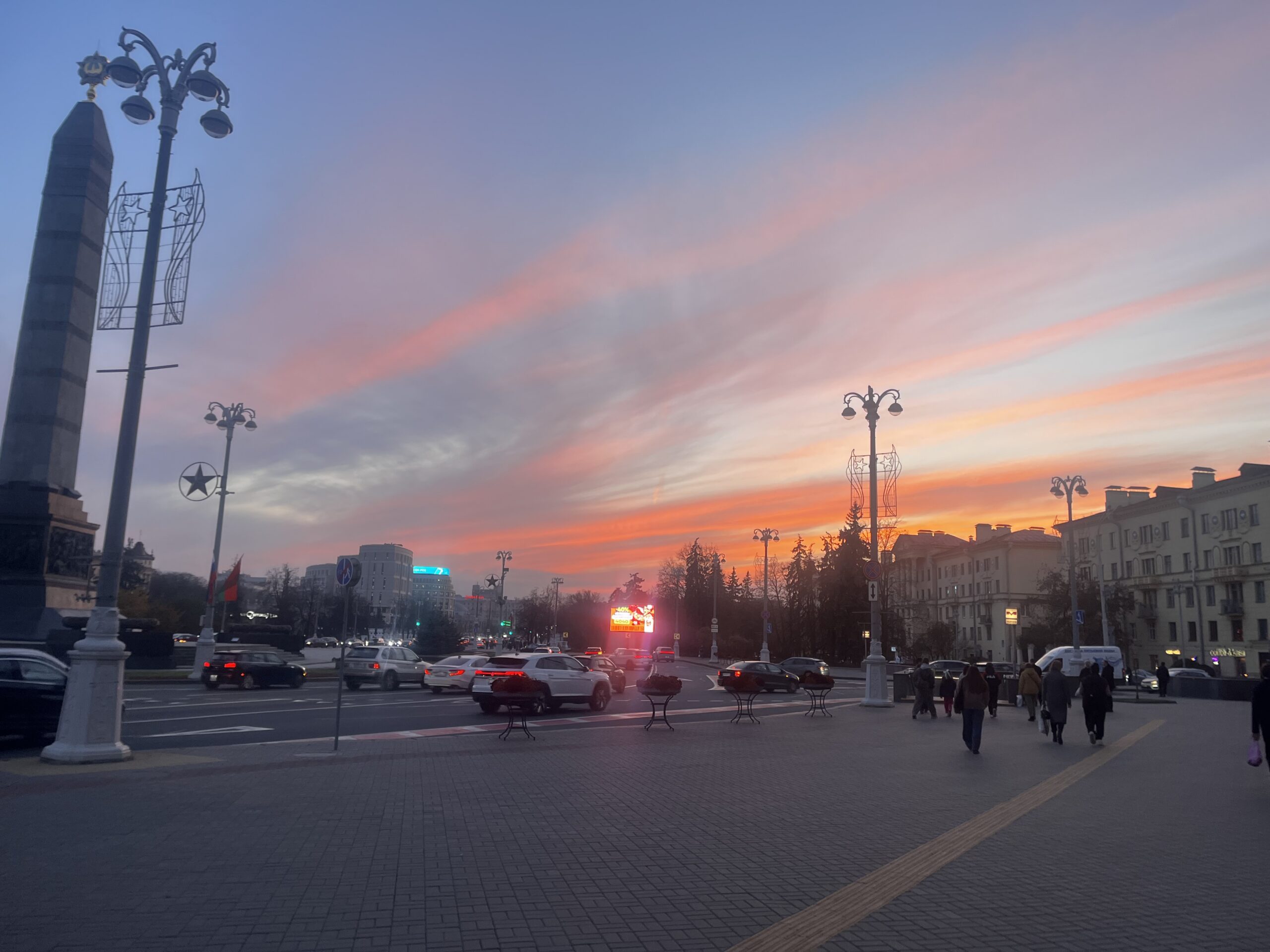
The myths we hear today — stories about places being shut down, agents and anonymous denunciations — are not a catalogue of rumours about the supernatural in the city. They are not about mysterious places or phenomena, such as the curse of Niamiha, the last metro train or a mermaid in the Svislach River. They are about tension and suspicion. They speak of an opaque society in the language of distrust and fear.
These urban myths live not so much in the events themselves, which cannot be verified, as in the informal flow of information. Through them, city residents try to piece events together into an intelligible narrative and find explanations for what is happening. And the point is not just the specific stories, but the very perspective through which the city and life are perceived as a space governed by invisible, dangerous mechanisms that determine the fate of its inhabitants.
In the second book of Plato’s “Republic,” there is a discussion of myths — those of Homer and Hesiod — in which he proposes understanding myth as an allegory concealing the true meaning of what is happening. And if an urban myth balances between truth and fiction, should we really think about the stories from Minsk in terms of truth and lies? After all, they do not necessarily reflect real events, but they reveal a great deal about how those events are imagined, interpreted and experienced.
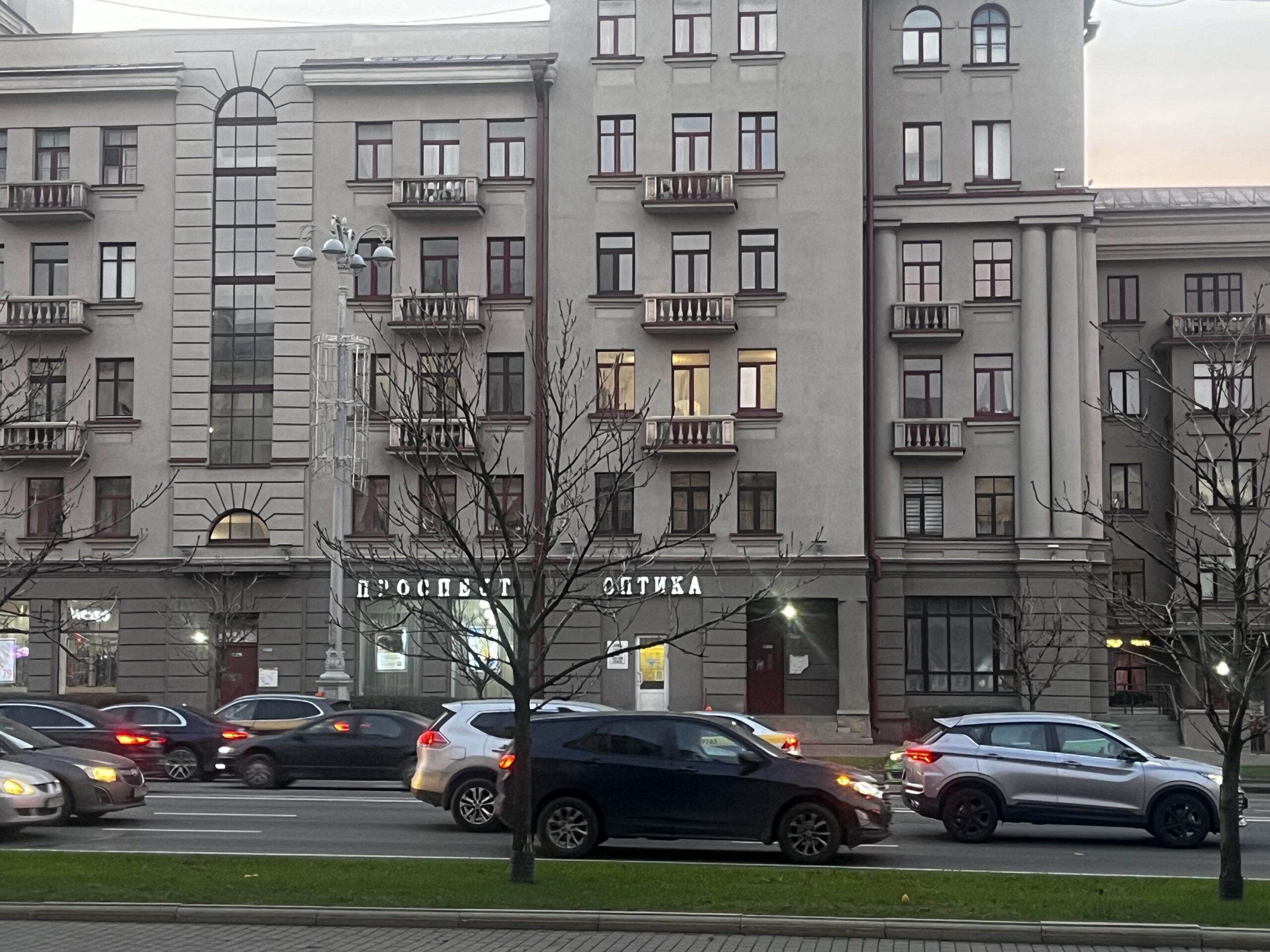
Perhaps the problem with Minsk’s urban myths in 2026 is that, from the outset, they speak allegorically about things that are difficult or dangerous to express directly. Maybe they provide practical knowledge for city residents. Or are they simply a metaphor for the current state of society?