
Tsikhanouskaya: We Must Not Portray Lukashenka as a Victim of Moscow
Reform.news Editorial Team · 12 October 2026, 14:33
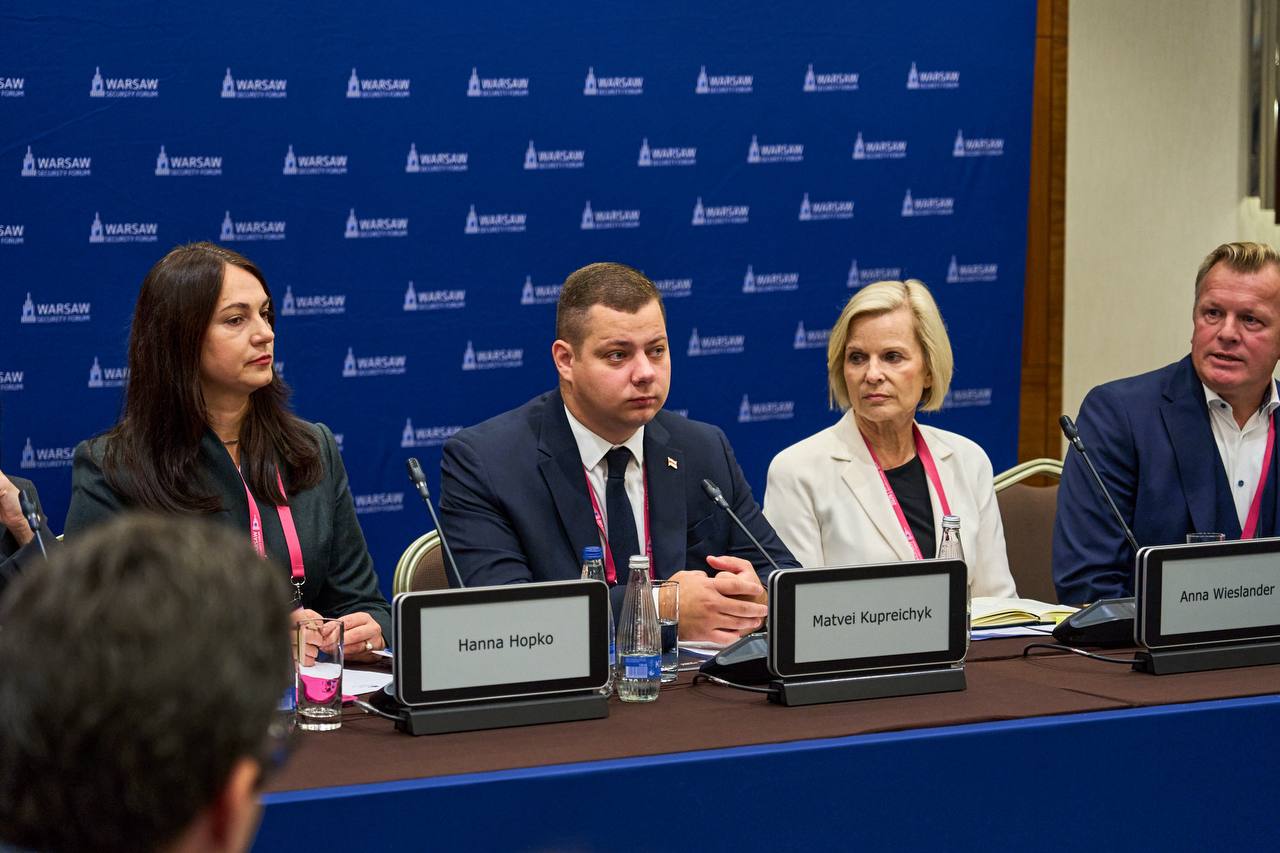
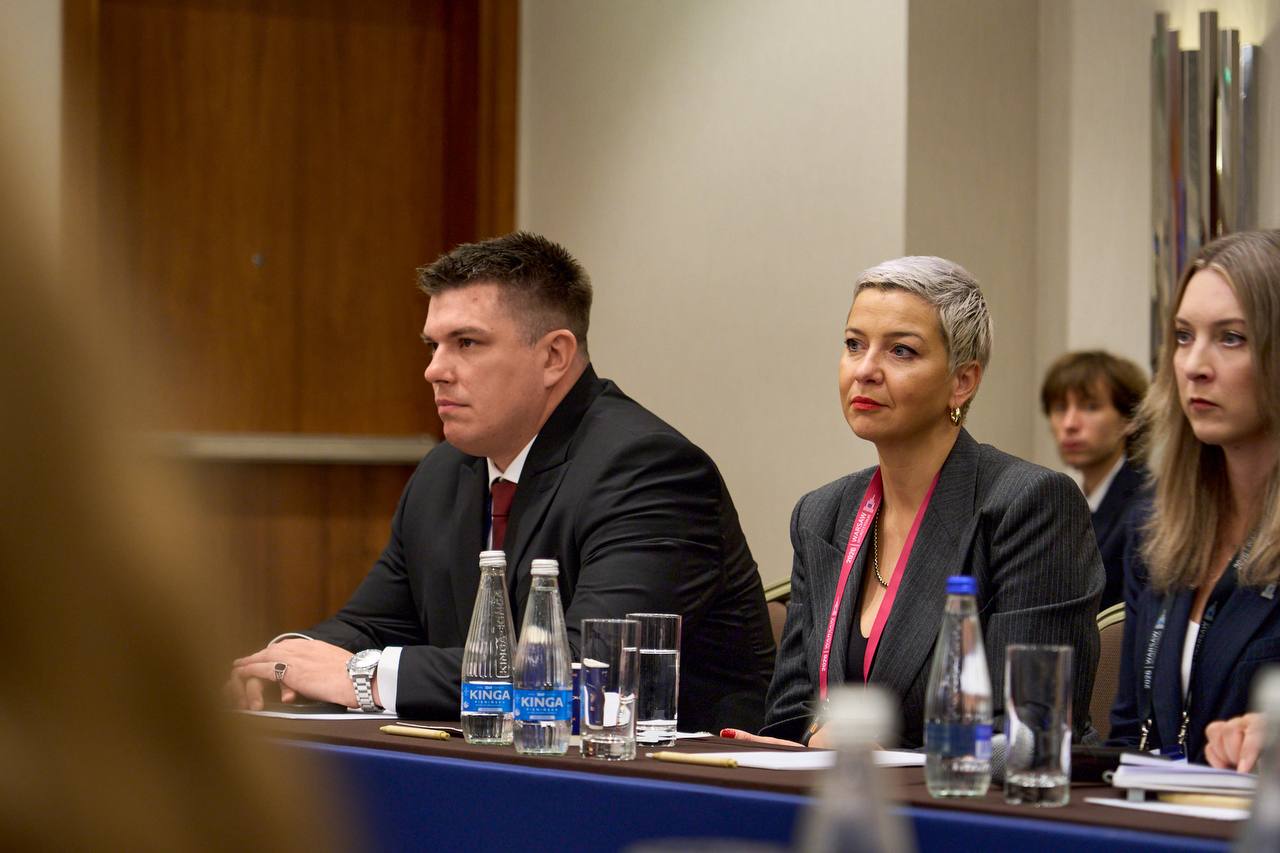
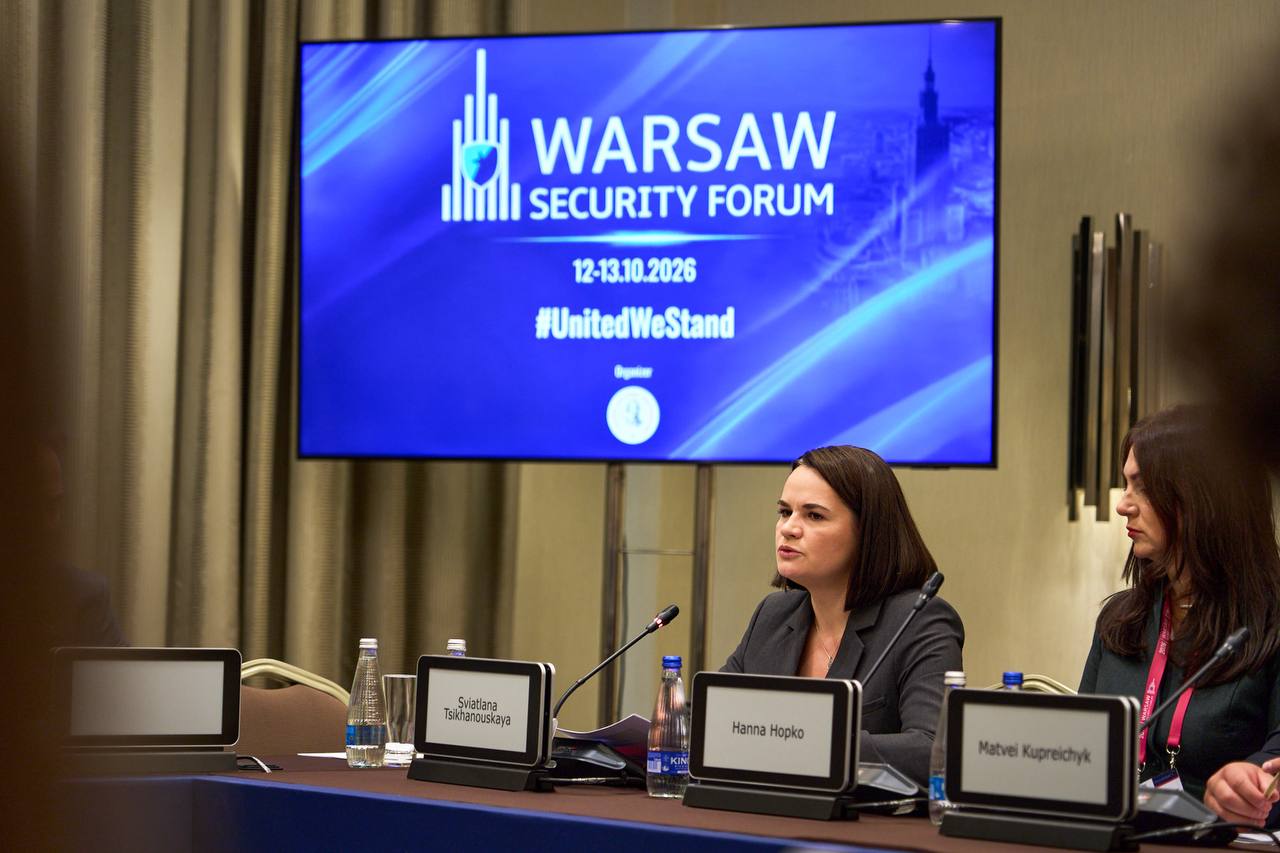
https://reform.news/en/tsikhanouskaya-we-must-not-portray-lukashenka-as-a-victim-of-moscow/Aliaksandr Lukashenka should not be viewed as a victim of Moscow in the context of the Russian-Ukrainian war. He is not a guarantor of Belarusian sovereignty, but one of the main threats to it. Sviatlana Tsikhanouskaya made the statement at a roundtable titled “Belarus: Full-Scale Militarisation”. The event featured a report on the militarisation of the country by BELPOL, an initiative of former law enforcement officers.
“Belarus is a clear example of how closely democracy and security are interconnected. In 2020, Belarus was viewed primarily through the lens of human rights and democracy. But after Russia’s full-scale invasion of Ukraine in 2022, it became clear that Belarus is also a key issue for European security.
Russian troops invaded Ukraine from Belarusian territory. Our country became a launchpad for aggression. I often think about how differently history might have unfolded if the Belarusian democratic revolution had succeeded in 2020.
Perhaps we would not have been able to prevent Russia’s war. But we could have prevented Belarus from being used to attack Ukraine. And perhaps many lives would have been saved,” she said.
Sviatlana Tsikhanouskaya stressed that Belarus became complicit in Russia’s war not by the will of its people, but at Lukashenka’s whim. According to her, he traded Belarusian sovereignty for Putin’s support, which allowed him to remain in power.
“And we must not portray Lukashenka as a victim of Moscow. This was his conscious choice. As a result, nine million Belarusians have become hostages of the regime, and our country’s independence is being systematically undermined.
And what we see today gives us no reason to believe that Moscow and Minsk are preparing for peace. Quite the opposite.
They are expanding military infrastructure, deepening military cooperation and increasing Russia’s military presence in Belarus. This is precisely what today’s BELPOL report shows,” she said.
According to Tsikhanouskaya, these examples of Belarus’s militarisation would not have been possible without Lukashenka’s cooperation.
“Lukashenka is not a guarantor of Belarusian sovereignty. He is one of the main threats to it. This report is important because it gives politicians, journalists and security experts a clearer picture of what is happening. But evidence alone is not enough. We need action.
First, we must raise the cost of further militarisation. Sanctions against the regime and its military-industrial sector must remain in place and be properly enforced. We must close the loopholes that allow Russia to use Belarus to circumvent restrictions.
Second, those responsible must be held accountable. Those helping Russia wage this war must answer for their actions. The evidence collected by BELPOL, iSANS and the United Transitional Cabinet must be examined and used by the relevant authorities.
Third, we must support Belarusian society,” she continued.
Tsikhanouskaya reiterated that the Belarusian people must be distinguished from the regime. The Belarusian people are allies in building a safer Europe.
She noted that Belarusian democratic forces had made important progress in relations with Ukraine this year. A representative office had been opened in Kyiv, and contacts with the Ukrainian side were becoming more systematic.
“For Ukraine, it is clear that as long as Belarus remains under Lukashenka’s rule and dependent on Russia, it will continue to pose a security threat.
But a free and democratic Belarus can become a reliable neighbour and a strong partner for Ukraine.
I believe that closer cooperation between Ukraine and Belarusian democratic forces can open up new opportunities for change in our country.
And we must be prepared for different scenarios. If Ukraine succeeds, this could open up new opportunities for Belarus.
If a ceasefire is reached, the issue of Russian troops, weapons and military infrastructure in Belarus will remain unresolved.
And if Russia escalates, Belarus could once again be used as a launchpad for aggression.
Under any scenario, Belarus will remain in the spotlight. That is why I am asking all the experts and partners in this room to help put Belarus back on the European security agenda,” Tsikhanouskaya concluded.
The BELPOL report examines various aspects of Belarus’s militarisation. It describes efforts to draw young people into military-patriotic organisations, the development of a mobilisation reserve, the spread of Russian propaganda, the expansion of military facilities, the adaptation of the railway network for military purposes, the militarisation of the economy and science, changes to legislation, and deeper military-political integration with Russia.